Materials for 3D printing

Materials for 3D printing

At eRobots we print in plastics, nylon, resins and metals. The material decides how strong the part will be, what its surface will look like, what temperature it can take and how much it will cost. That is why we often start with the material and only then choose the technology.

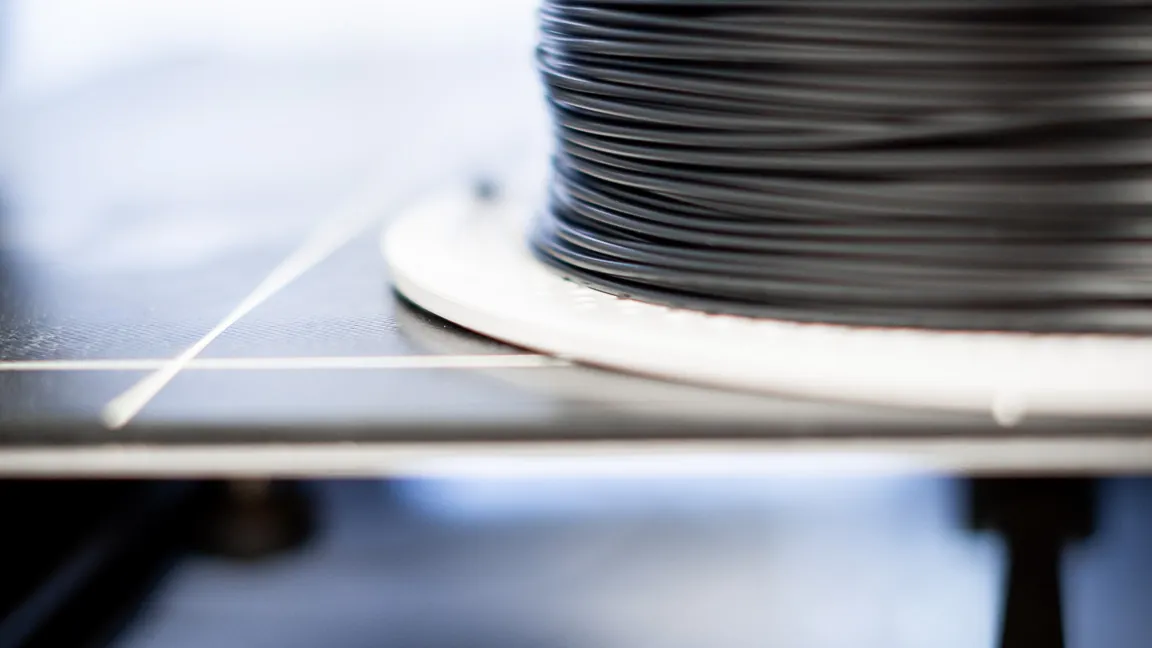
Each technology has its own group of materials. FDM prints from plastic filaments, from inexpensive PLA to carbon fibre composites. SLS sinters PA12 nylon and flexible TPU. SLA cures resins that can be rigid, flexible, clear or antistatic. SLM melts aluminium, steel or titanium powder.

In the articles below you will find the properties of each material, comparison tables and typical uses. Exact values are in our technical data sheets.

If you are not sure which material to choose, send us your model through the free quote form and tell us what the part is for. We will suggest the right material and technology.

Parts made with different 3D printing technologies
  • 3D printing
  • Comparison

Each 3D printing technology suits a different kind of part. In this article we compare them side by side by size, detail, strength and price. At the end you will find a simple way to choose the right one for your project.

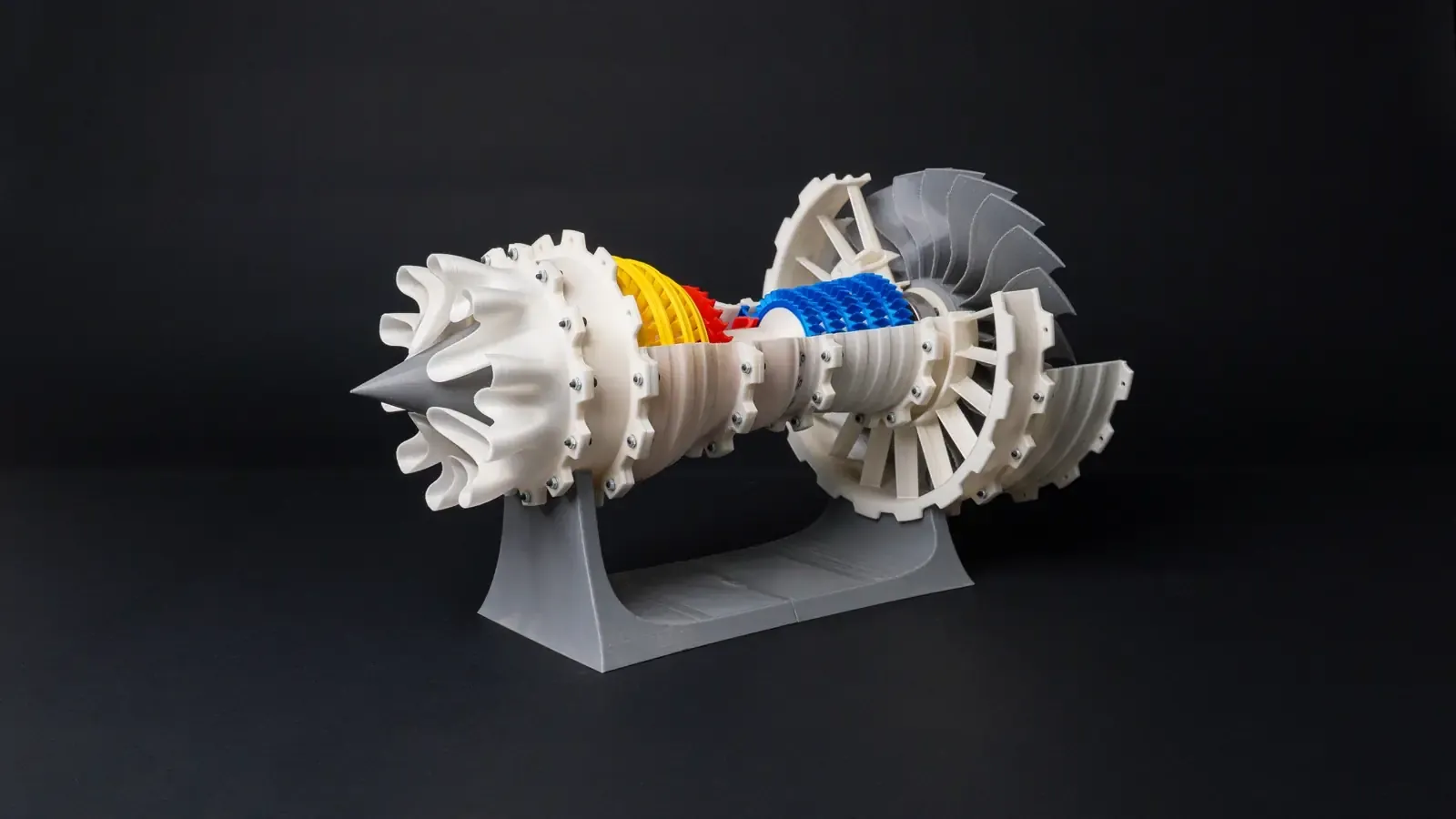
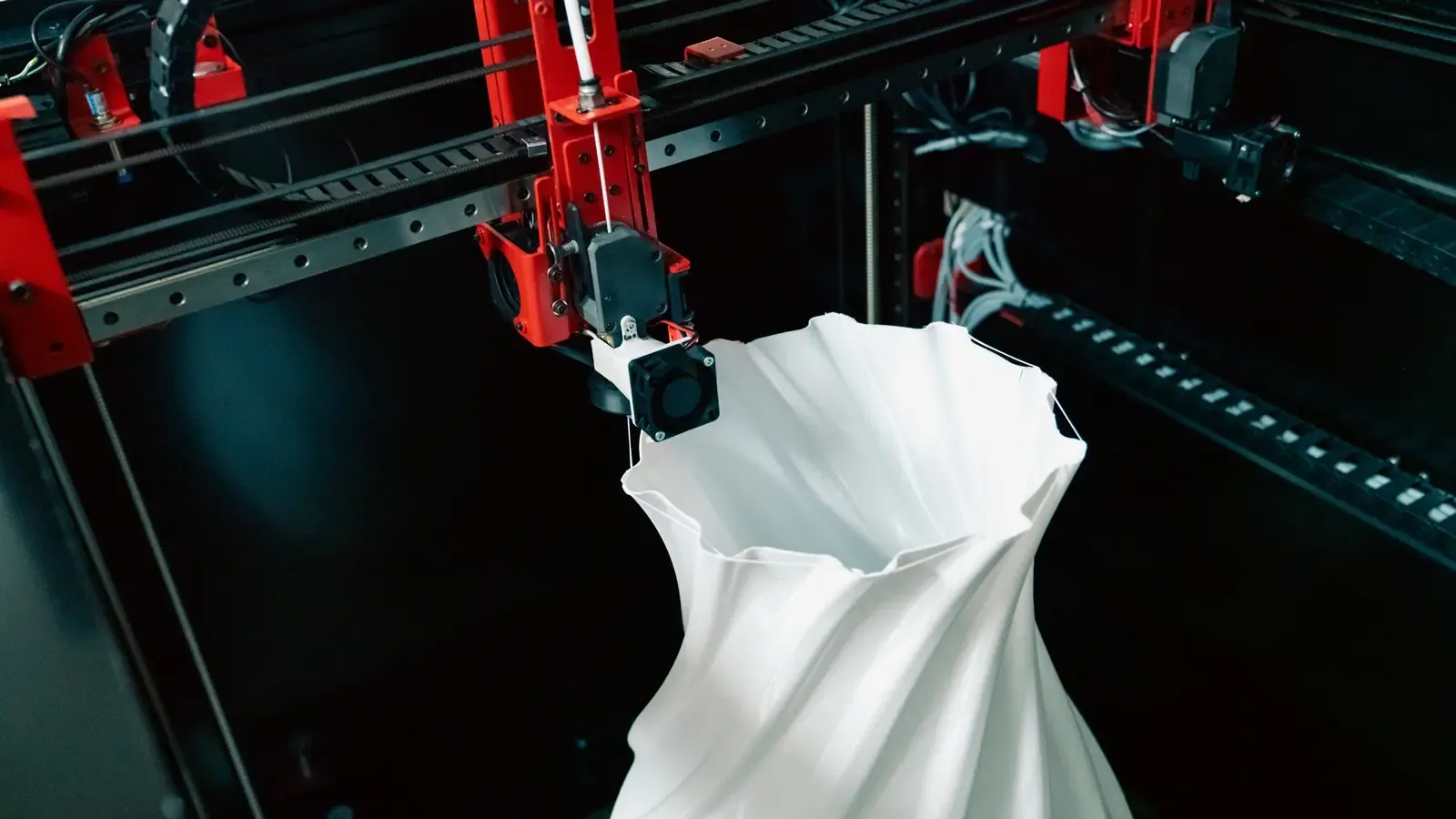
Part printed with FDM technology
  • 3D printing
  • FDM

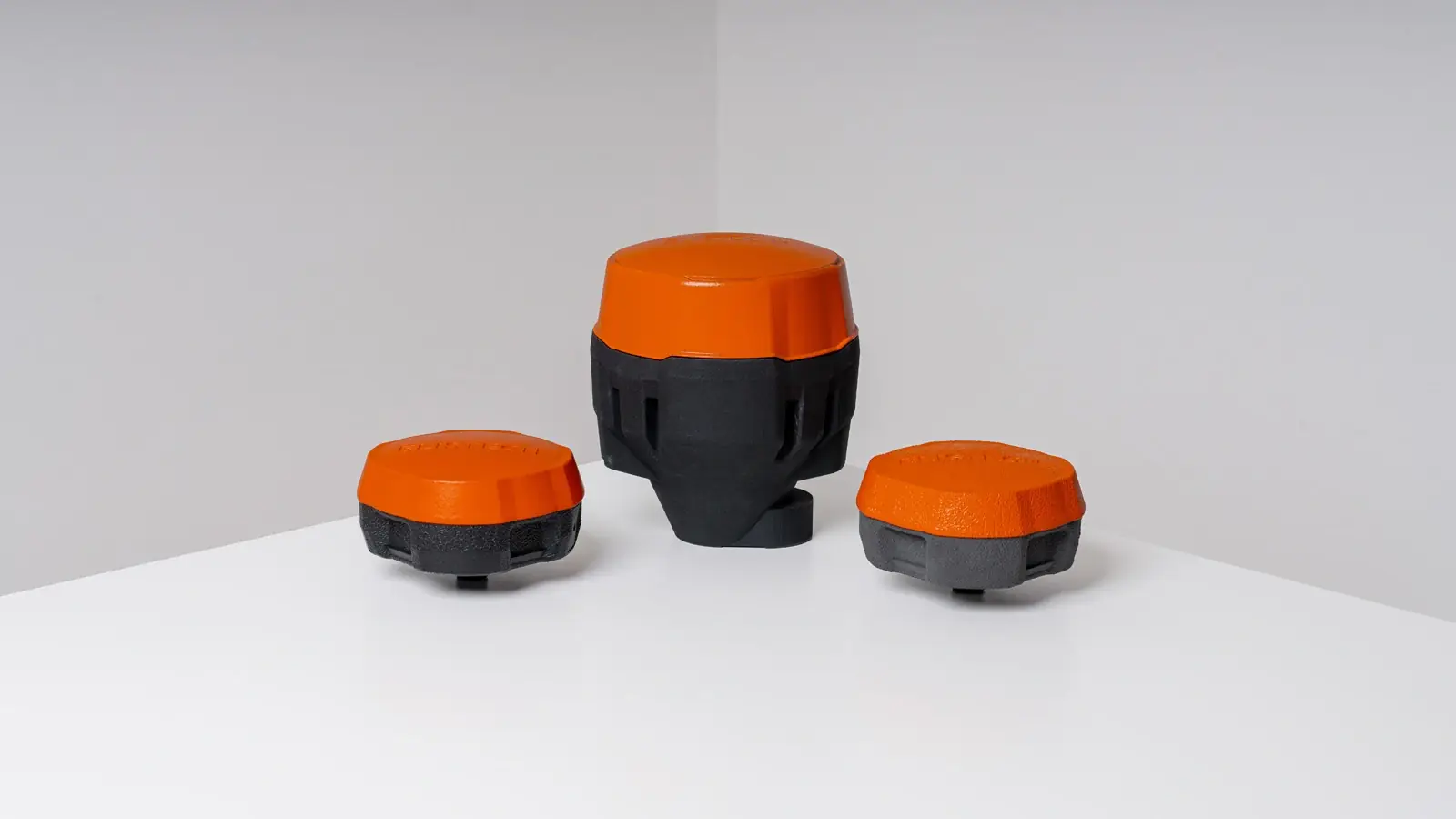
FDM is the most widely used 3D printing technology. The part is built from molten plastic filament, layer by layer. It is affordable, fast and can produce parts more than a metre long. We explain how it works, which plastics we print with and when another technology is the better choice.

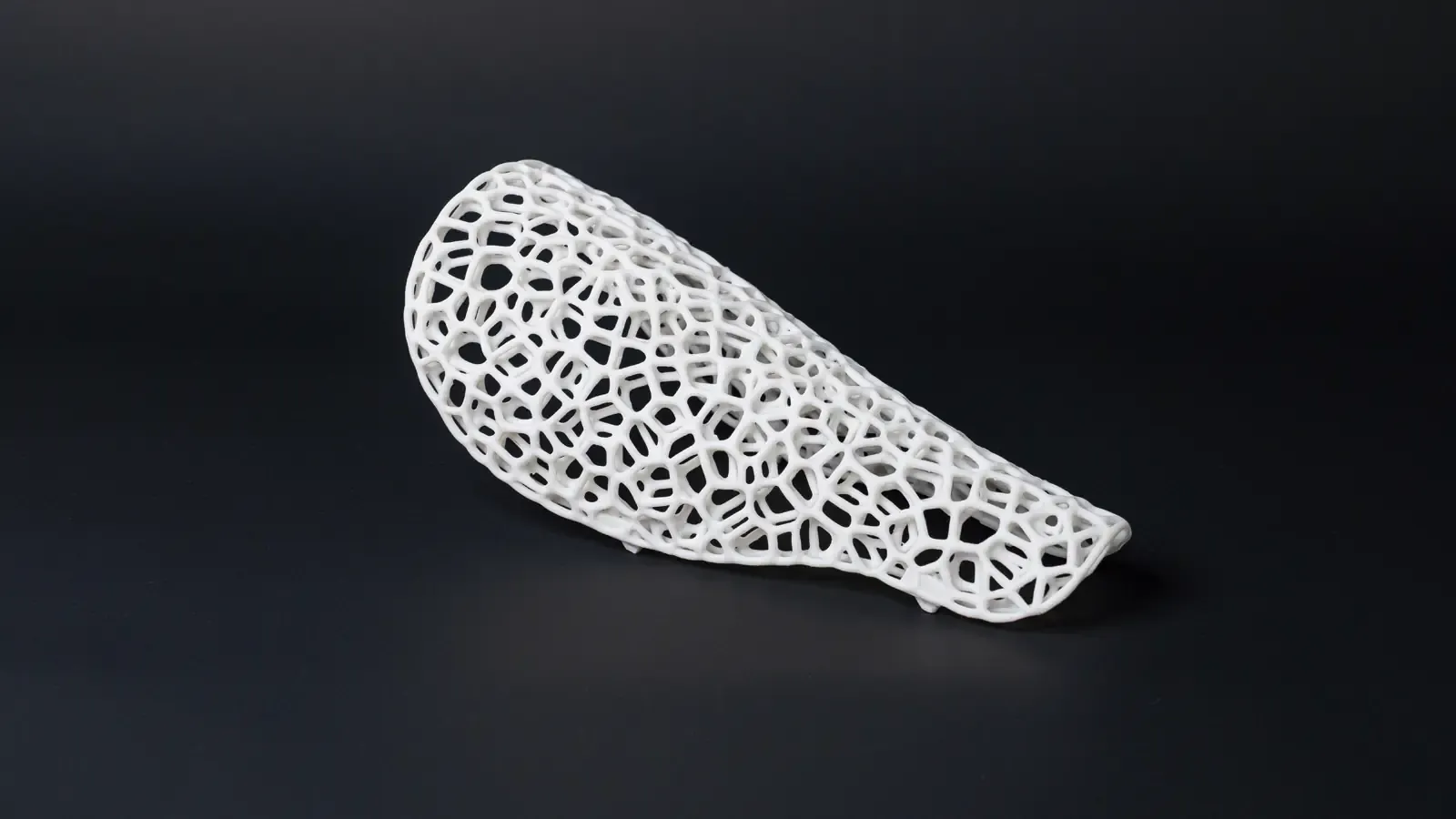
PA12 nylon part printed with SLS technology
  • 3D printing
  • SLS

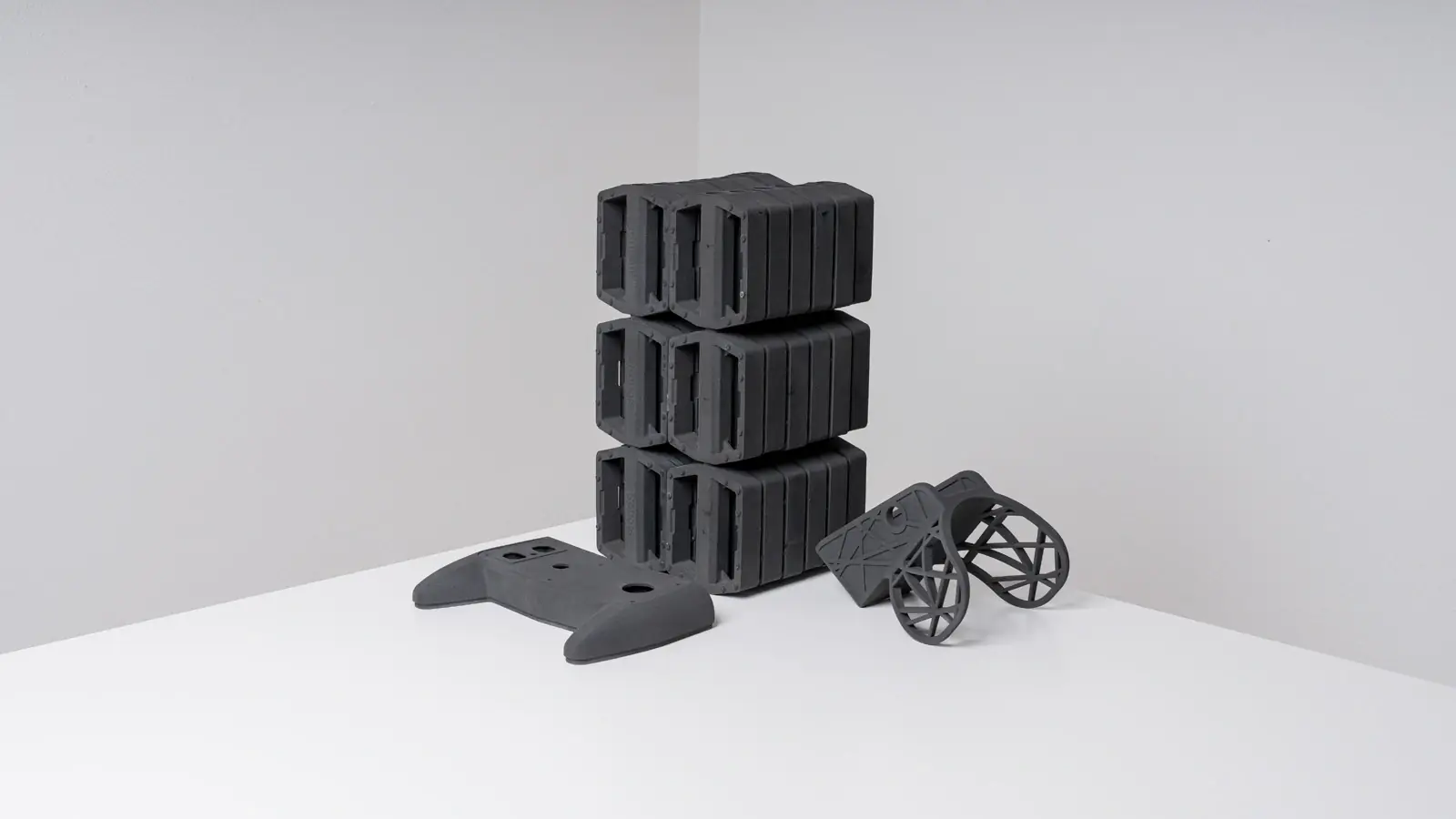
SLS printing uses a laser to sinter fine nylon powder into strong functional parts. It needs no supports, so it handles complex shapes, moving assemblies and dozens of parts in a single build. We explain how it works, which materials we print with and when it pays off.

Detailed SLA 3D printed part
  • 3D printing
  • SLA

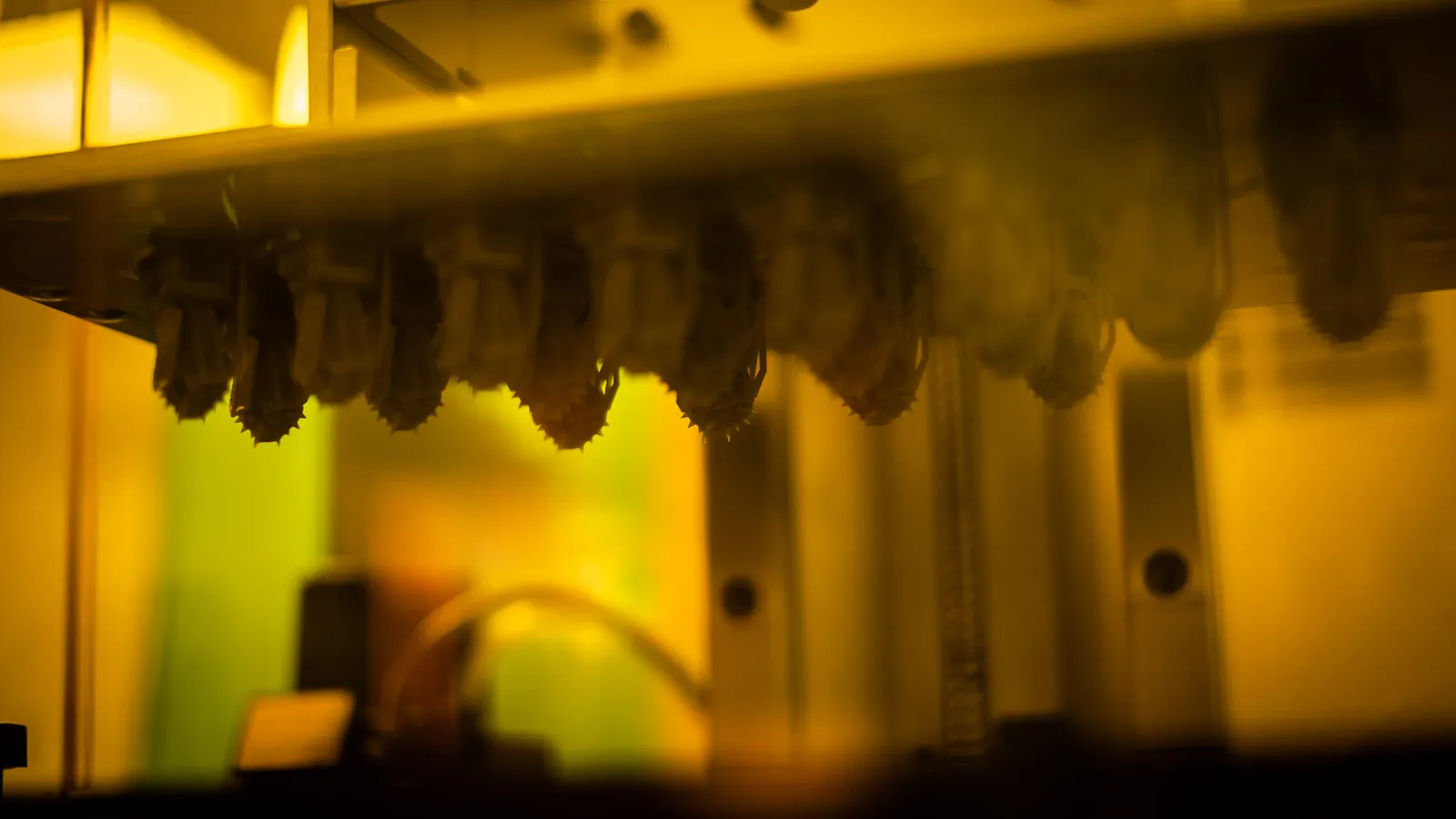
SLA printing cures liquid resin with light, layer by layer. The result is parts with fine details and a smooth surface that look like a finished product. We explain how SLA works, which resins we use and why SLA is also a good basis for silicone castings.

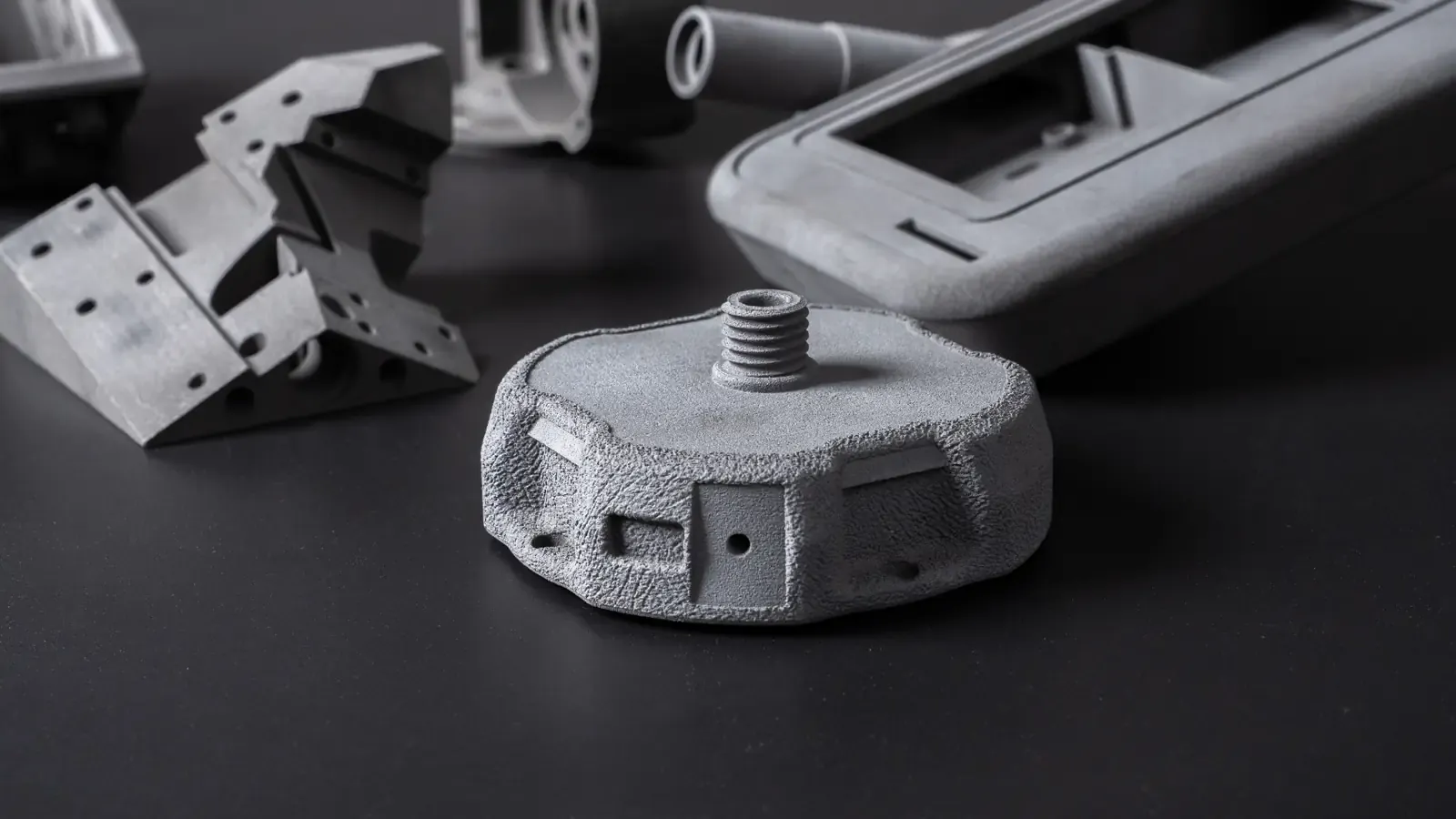
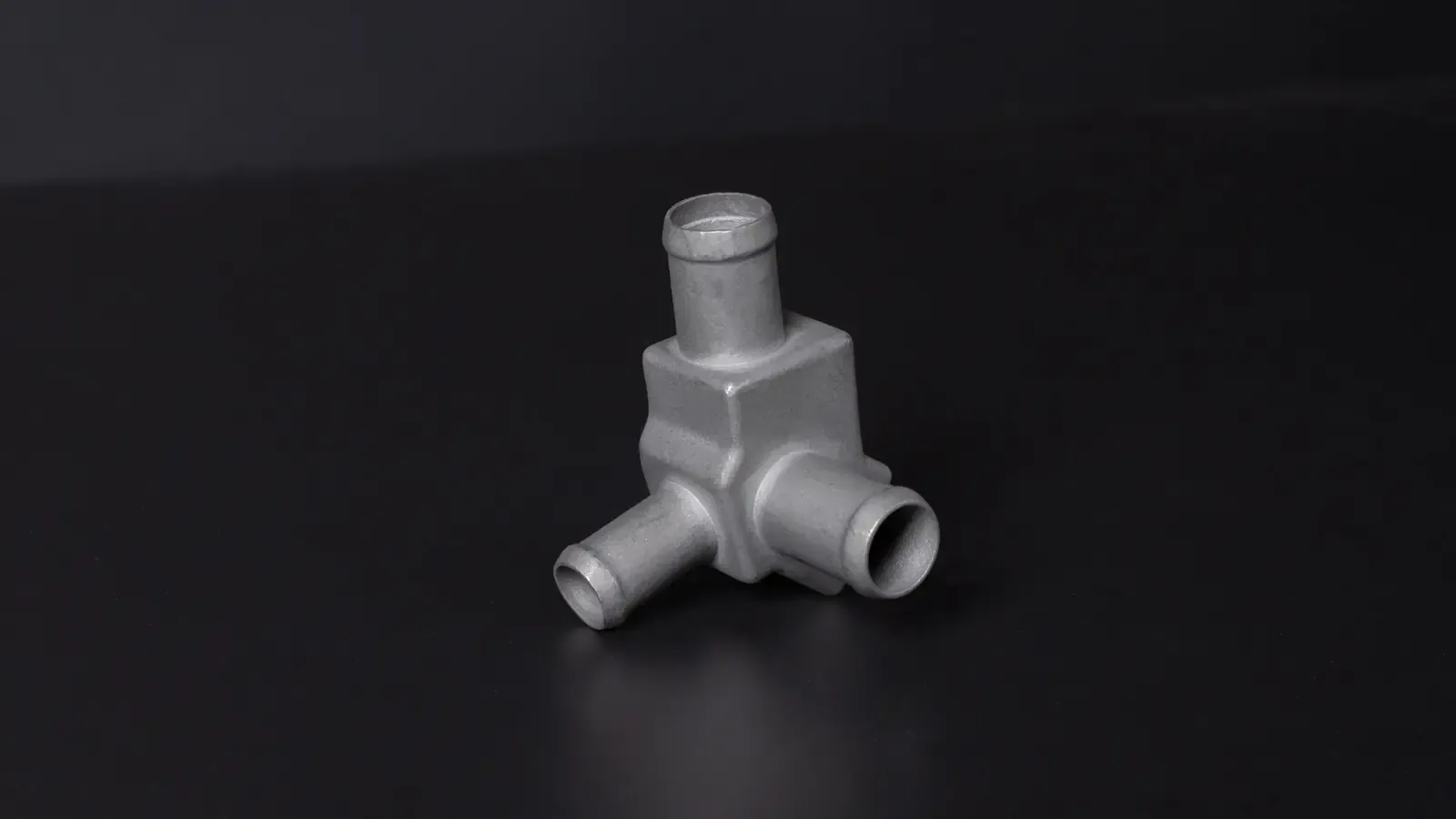
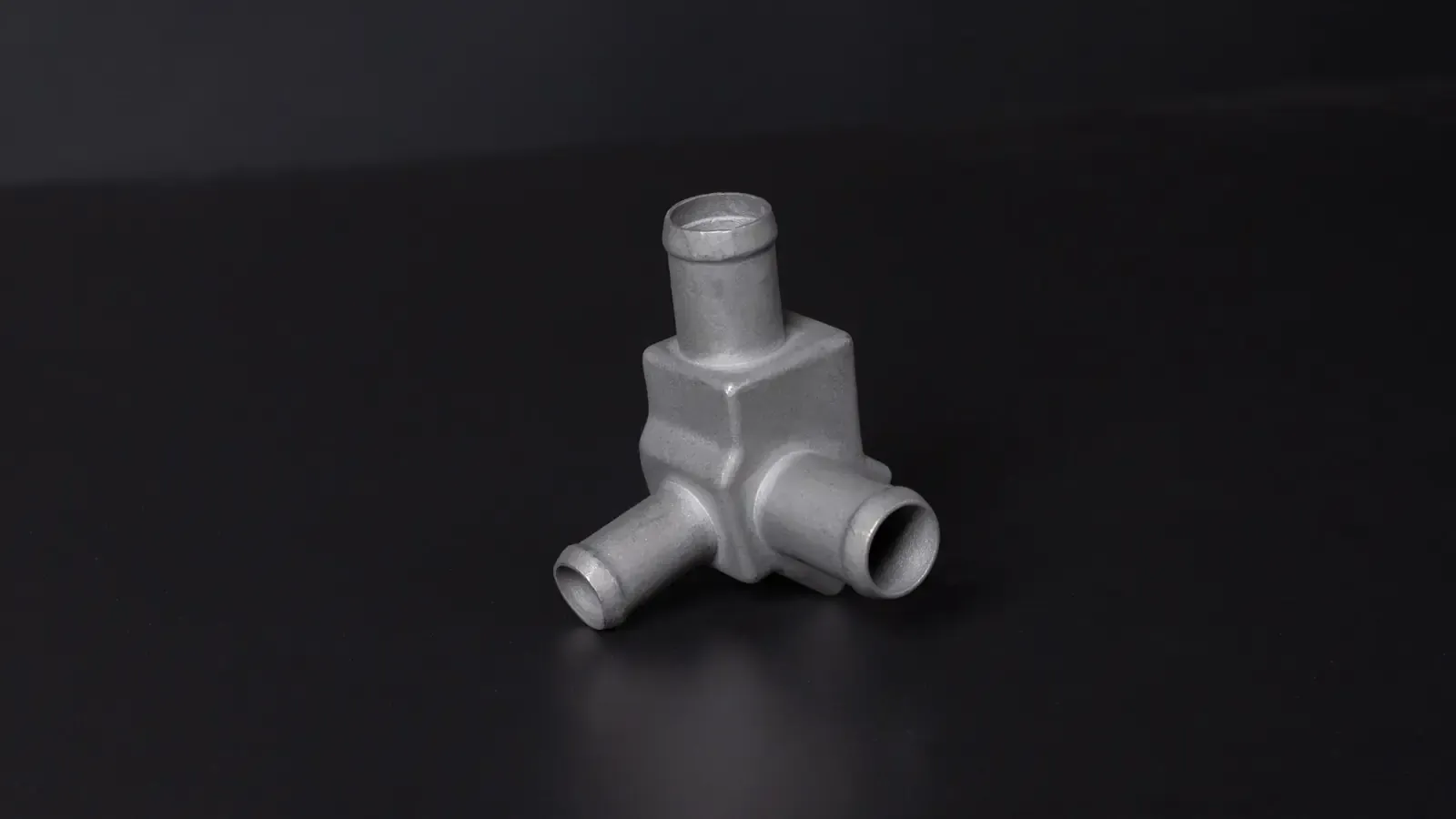
SLM 3D printed metal part
  • 3D printing
  • SLM

Metal 3D printing produces fully functional parts in aluminium, steel or titanium. It handles shapes that cannot be machined, such as internal cooling channels. We explain how it works, which metals are printed and when it pays off compared with conventional manufacturing.

PA12 nylon parts printed with SLS technology
  • Materials
  • SLS

We use two powder materials for SLS printing. PA12 nylon for strong functional parts and flexible TPU for seals, dampers and soft parts. We compare their properties, surface and when to choose which.

Parts in different resins printed with SLA technology
  • Materials
  • SLA

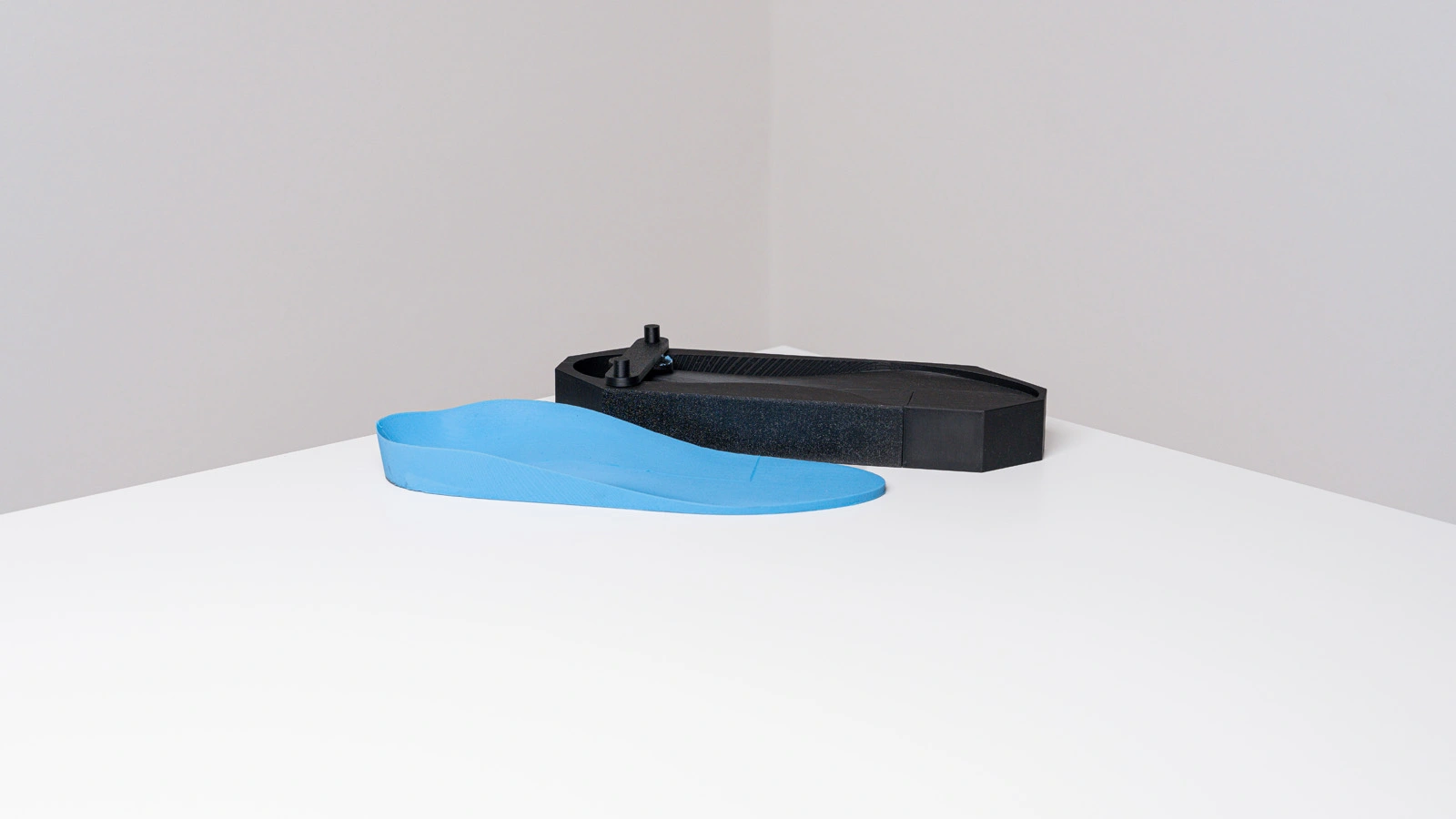
SLA printing is not only for good-looking models. Depending on the resin, a part can be as stiff as glass-filled plastic, as flexible as rubber, clear, heat resistant or antistatic. We go through the resin types, their properties and uses.

No article with such a title. Try a different search or category.