
Metal materials for 3D printing from AlSi10Mg to stainless steel
Published:
Metal 3D printing works with aluminium, stainless steel, 17-4 PH steel and titanium. Each metal suits a different kind of part. We compare their properties, uses and what a part needs after printing.
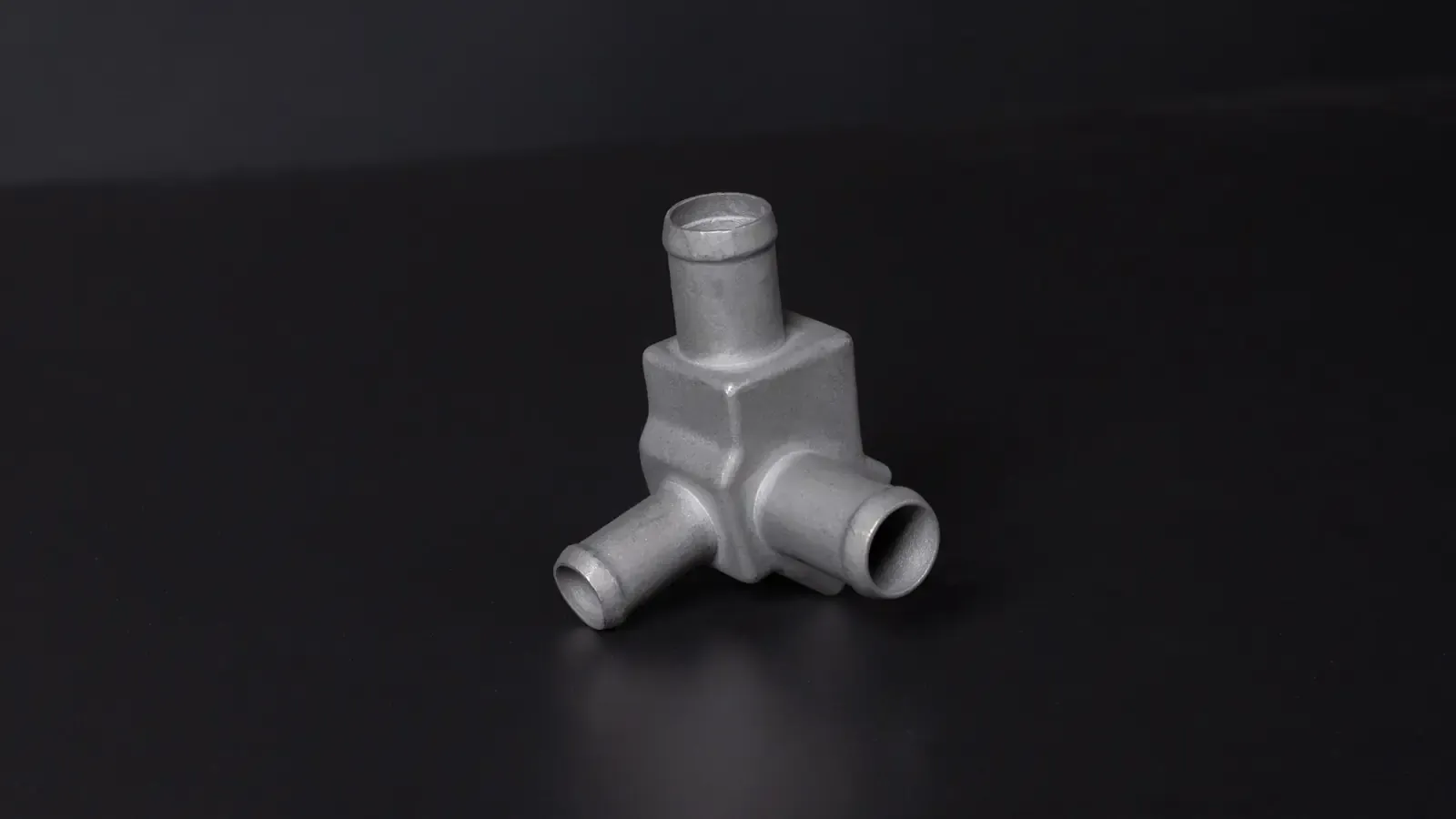
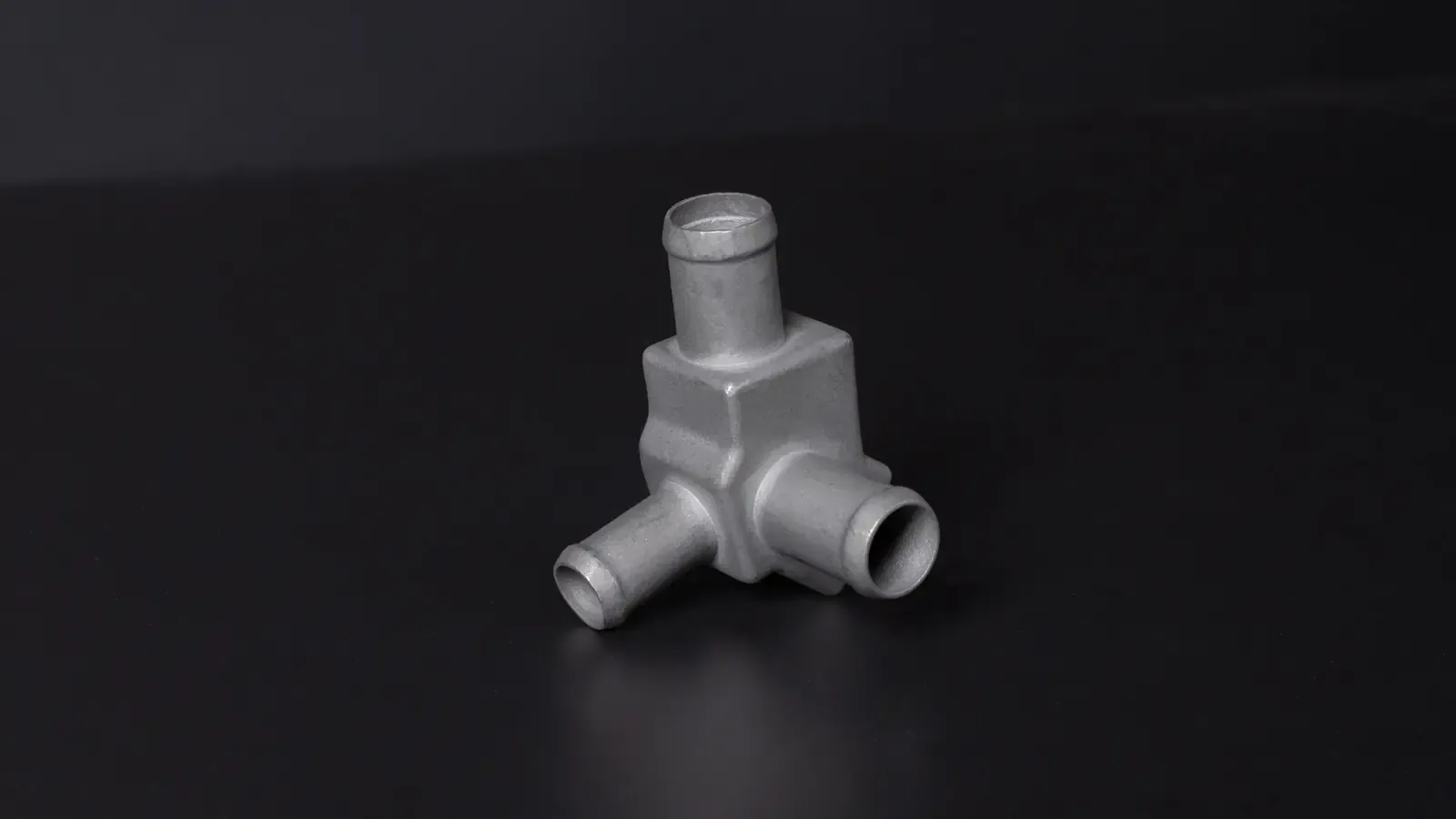
We provide metal parts with SLM technology, where a laser melts fine metal powder layer by layer. How printing works, when it pays off and how to design the part is covered in the article Metal 3D printing with SLM. Here we focus on the materials themselves.
Overview of metal materials for 3D printing
AlSi10Mg aluminium
The most widely used metal in 3D printing. It is an aluminium alloy with silicon and magnesium that melts well with a laser and rarely cracks. Parts are light, strong and good at conducting heat.
According to the data sheet, AlSi10Mg has a tensile strength of 332 to 480 MPa, a modulus of elasticity of 70,000 to 76,000 MPa and an elongation of 7 to 11 %. Its quality matches machined parts. After printing the surface is matte grey with a fine silicon sparkle.
Stainless steel
We choose stainless steel where the part comes into contact with water, humidity or chemicals. It is heavier than aluminium but corrosion resistant and tough. It suits machine parts, fittings, clips and components that must withstand cleaning.
17-4 PH steel
17-4 PH is a stainless steel that reaches high strength and hardness after heat treatment. It is used for mechanically loaded parts, tools and fixtures that must not wear or deform.
Titanium
Titanium offers high strength at low weight and excellent corrosion resistance. It is the most expensive of the common metals, so we use it for special parts where every gram counts.
Metal materials compared
| AlSi10Mg aluminium | Stainless steel | 17-4 PH steel | Titanium | |
|---|---|---|---|---|
| Weight | low | high | high | medium |
| Strength | good | good | very high after heat treatment | very high |
| Corrosion resistance | good | high | high | very high |
| Heat conduction | very good | poor | poor | poor |
| Price | lowest | medium | medium | highest |
| Typical use | housings, heat sinks, light brackets | parts for humid environments | tools, loaded parts | light and special parts |
The table is for quick orientation. Specific values depend on the alloy, part orientation and heat treatment, so we confirm them in our quote.
What metal 3D printed parts are used for
- Heat sinks and parts with internal channels. Channels can follow the shape of the part, which machining cannot do.
- Light brackets and holders. An internal lattice replaces solid material and the part loses most of its weight.
- Tools and fixtures. For example clamping jaws or inserts that must fit a specific part exactly.
- Spare parts. A part that can no longer be bought can be made from a sample, even without a drawing, using 3D scanning and modelling.
- Prototypes before production. You can test a functional metal prototype before ordering expensive production tooling.
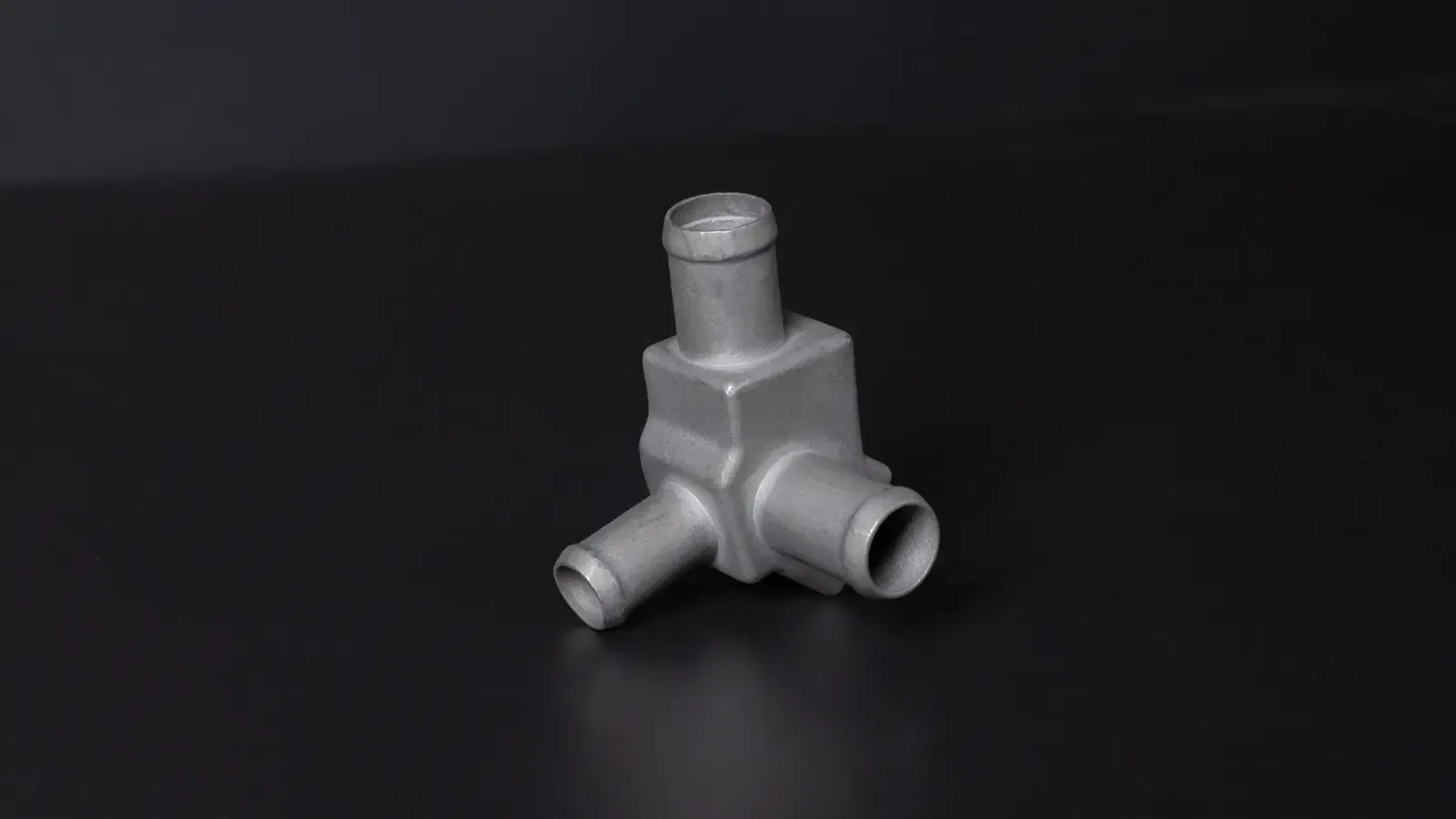
Heat treatment and finishing
After printing, a metal part contains internal stress from rapid melting and cooling. It therefore goes through heat treatment that relieves the stress and prevents distortion. For 17-4 PH steel, heat treatment also increases strength and hardness.
Finishing then follows depending on the purpose of the part:
- Support removal and cutting the part off the build plate.
- Machining of mating surfaces, precise holes and threads.
- Blasting to even out the grainy surface.
- Polishing for parts where appearance or a smooth surface matters.
AlSi10Mg aluminium can also be anodised. Because of the silicon content, though, the result is usually darker and less even than with ordinary aluminium.
Data sheets for metal materials
The values for AlSi10Mg aluminium come from the data sheet we have published for this alloy. For other metals we state the values in our quote based on the specific material and heat treatment. Data sheets for plastics and resins are on the Technical data sheets page.
Related services
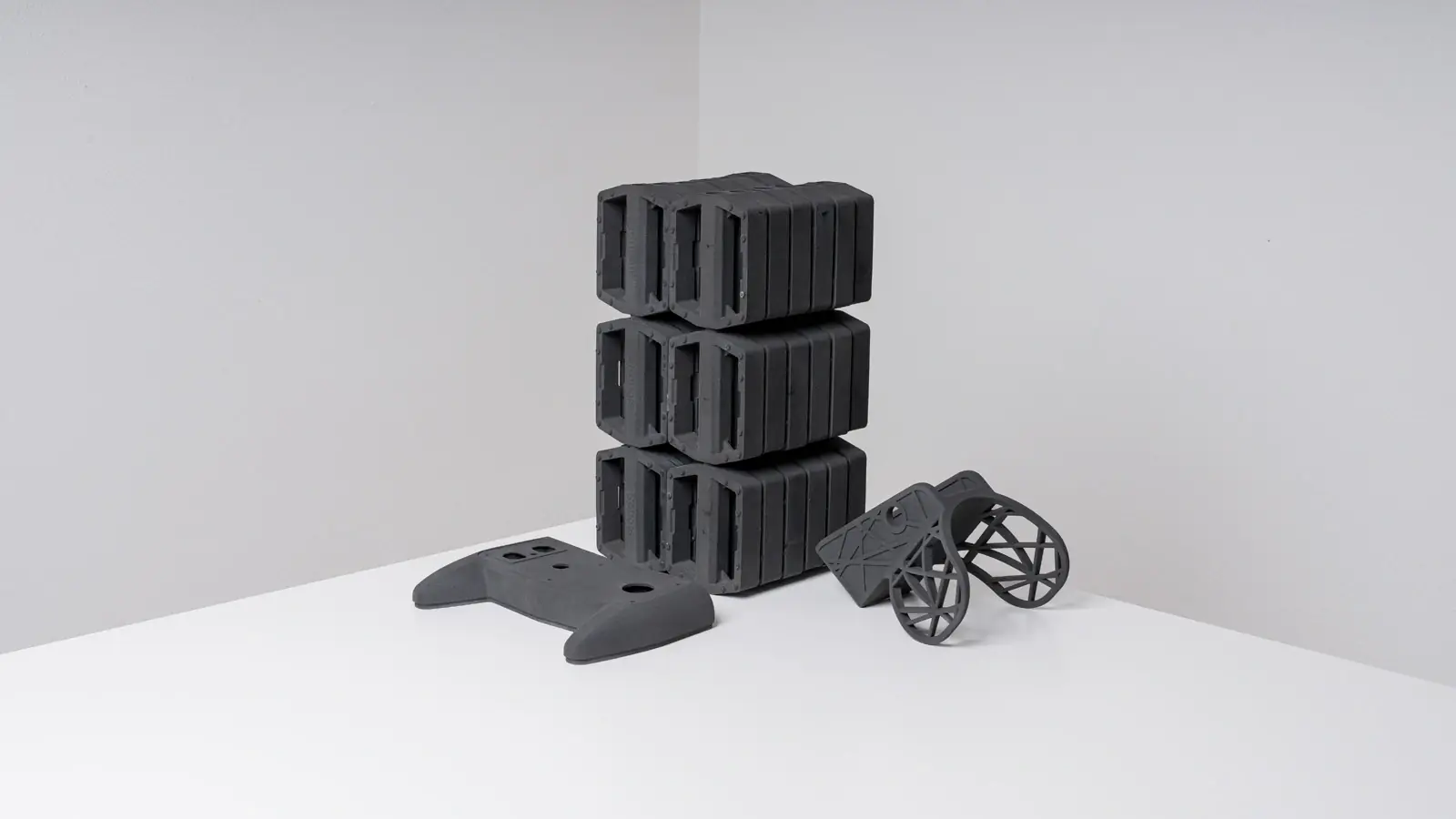
3D printing
Fast and flexible production of parts according to your ideas – from prototypes to finished components.
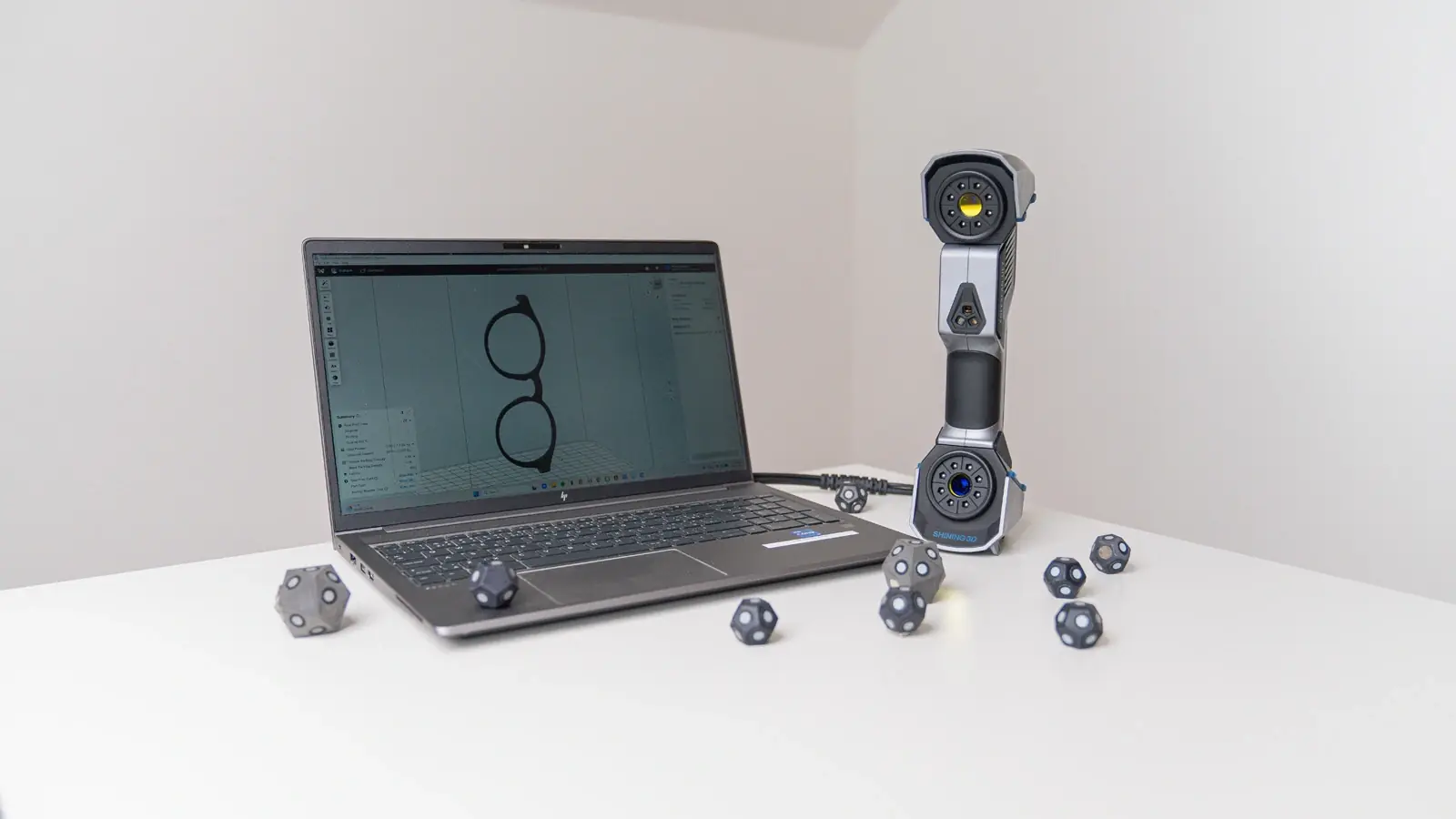
3D scanning and modelling
Precise digitisation of existing objects or creation of 3D models based on your ideas.
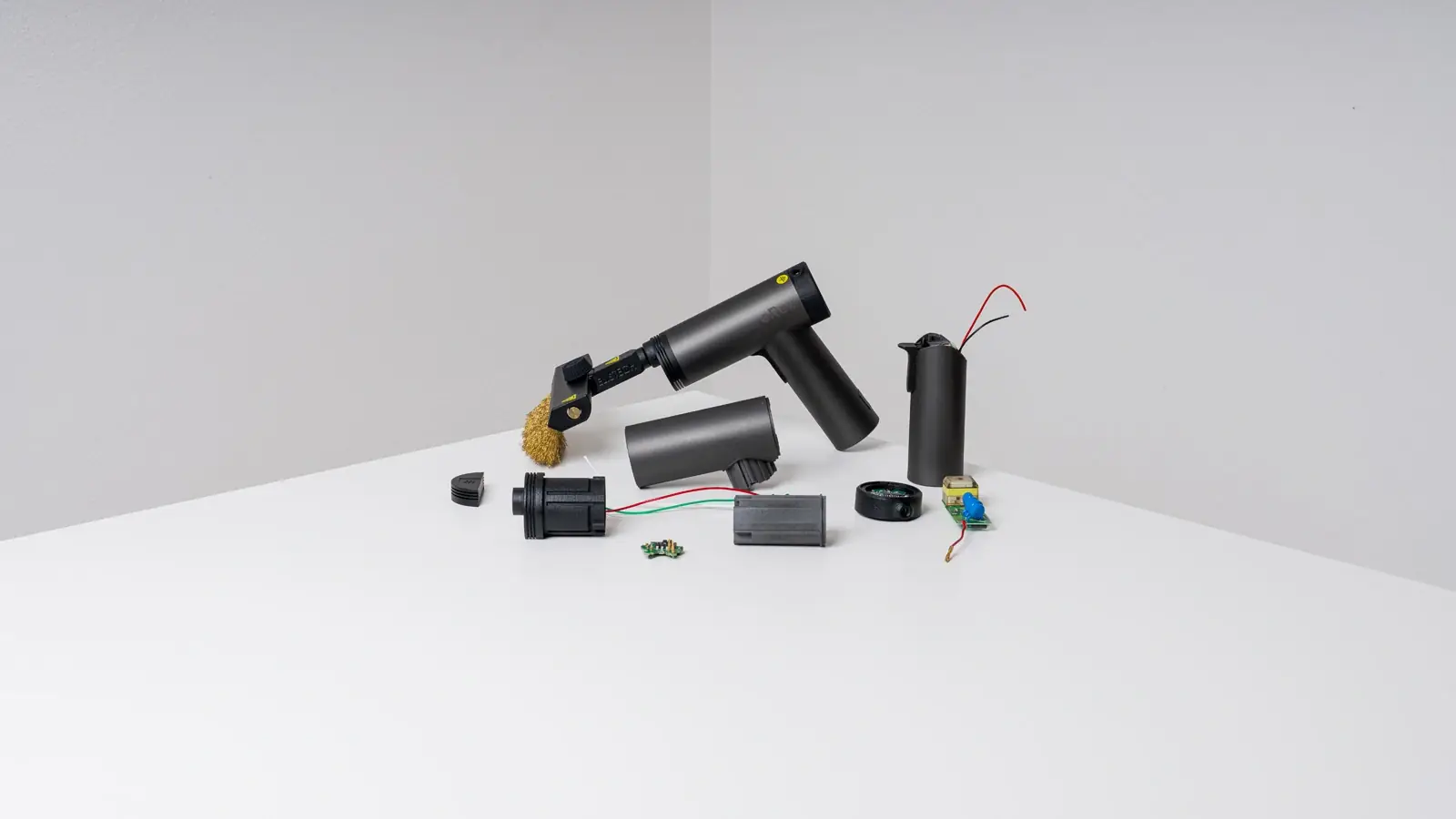
Assembly
We provide assembly as part of production when you have parts or components manufactured by us. Based on your requirements, we can assemble them into a functional unit.
Frequently asked questions


Which metal is the cheapest for 3D printing?
Usually AlSi10Mg aluminium. It is light, prints quickly and has sufficient properties for most common parts.
When should I choose stainless steel instead of aluminium?
When the part will be in a humid environment, in contact with chemicals or cleaned often. Stainless steel is heavier but more resistant to corrosion.
Can a 3D printed metal part be machined?
Yes. Functional surfaces, threads and precise holes are machined as standard. These surfaces get extra material allowance at the design stage.
I don't know which metal to choose. What should I do?
Send us your model and tell us where the part will work and what load it must carry. We will recommend the metal based on that.







Related articles