Practical information on 3D printing from our everyday production. How each technology works, which material to choose and what to expect from the finished part. If you cannot find the answer here, get in touch.
Article categories
- 3D printing
- Comparison
Each 3D printing technology suits a different kind of part. In this article we compare them side by side by size, detail, strength and price. At the end you will find a simple way to choose the right one for your project.
- 3D printing
- FDM
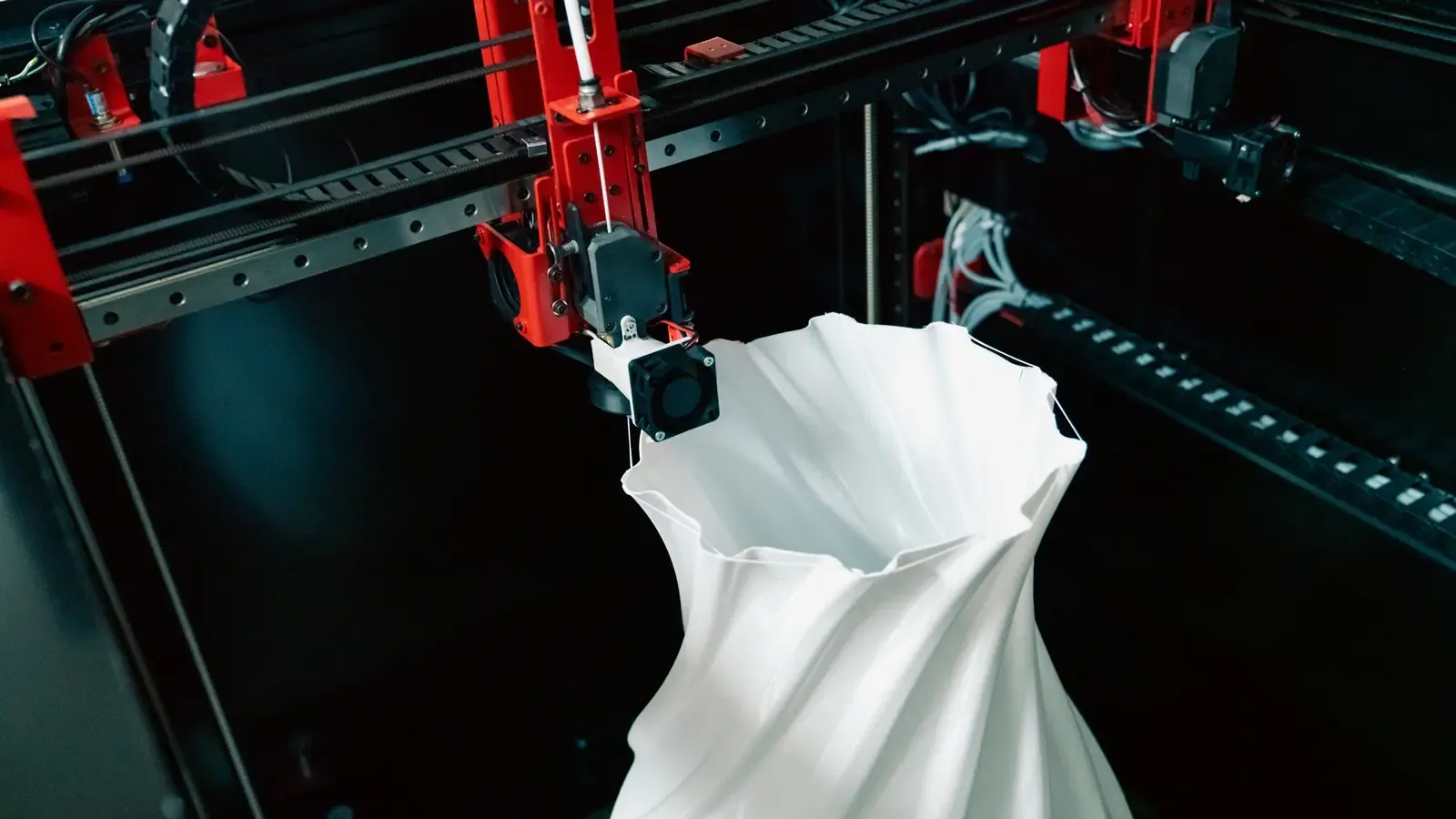
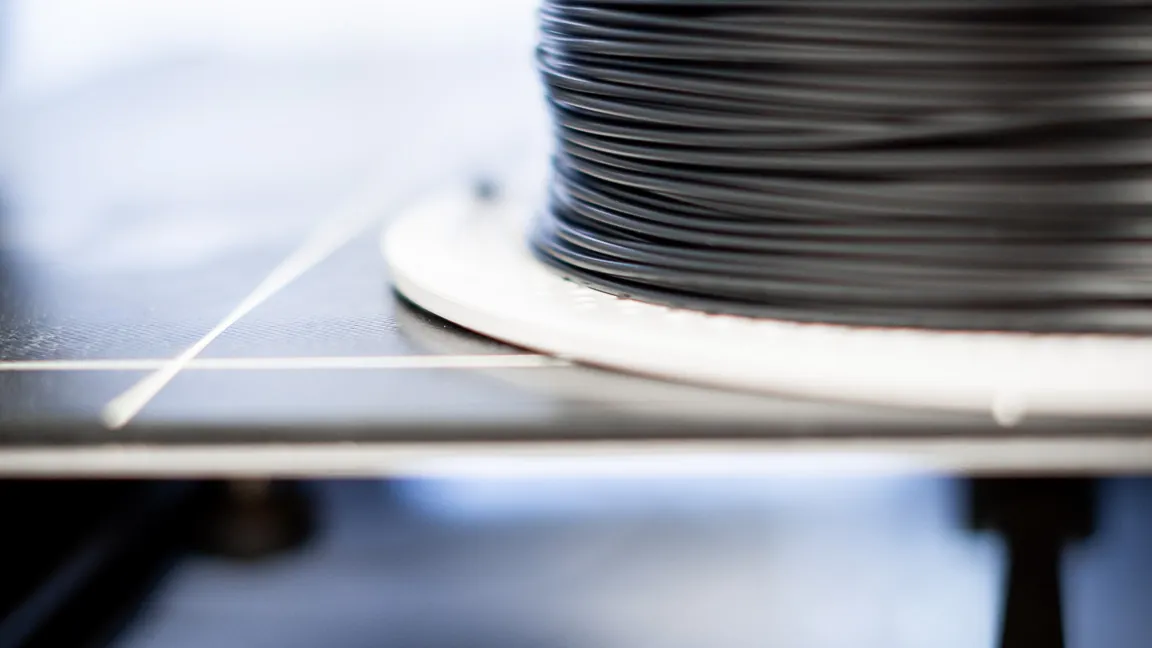
FDM is the most widely used 3D printing technology. The part is built from molten plastic filament, layer by layer. It is affordable, fast and can produce parts more than a metre long. We explain how it works, which plastics we print with and when another technology is the better choice.
- 3D printing
- SLS
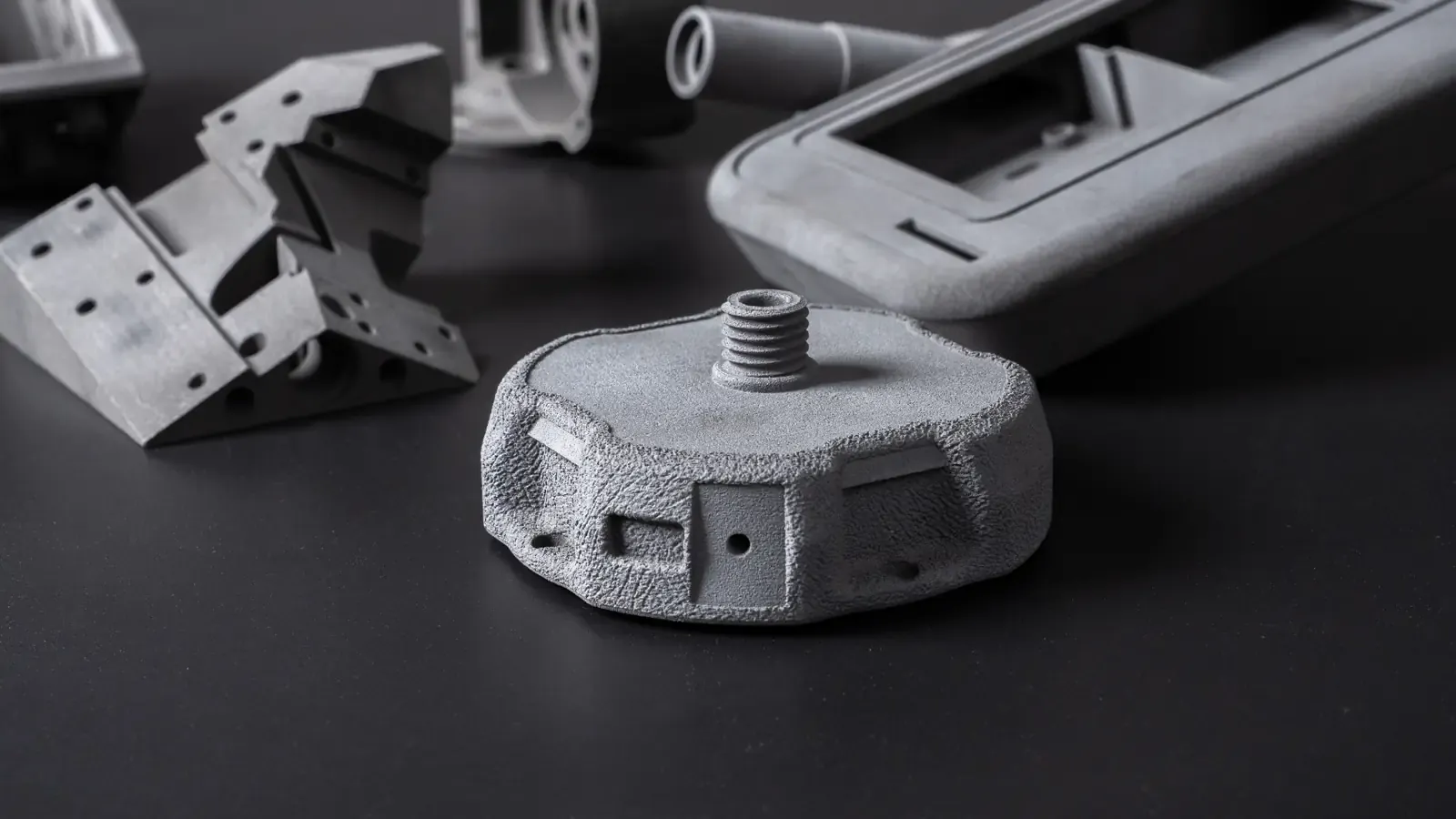
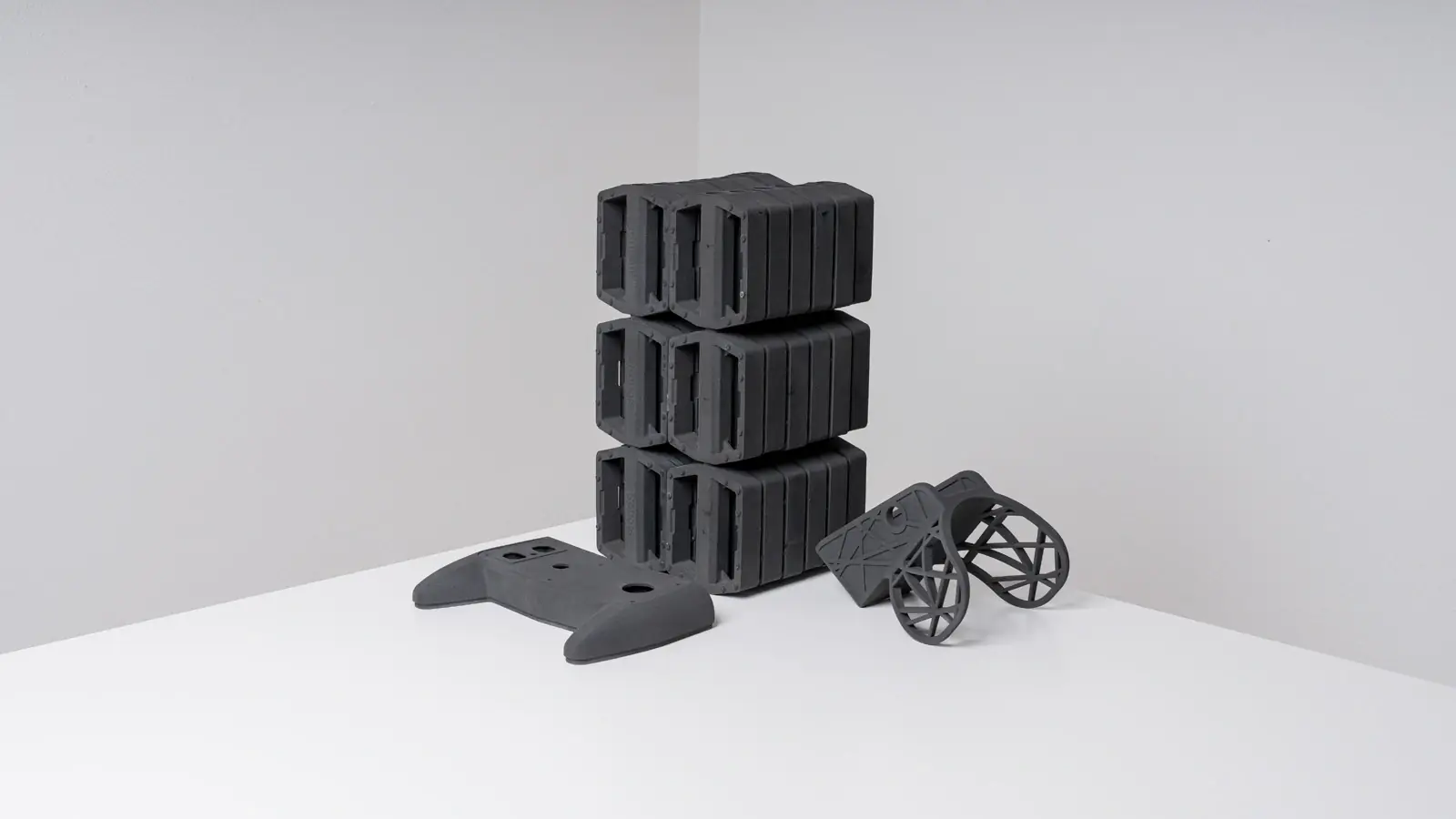
SLS printing uses a laser to sinter fine nylon powder into strong functional parts. It needs no supports, so it handles complex shapes, moving assemblies and dozens of parts in a single build. We explain how it works, which materials we print with and when it pays off.
- 3D printing
- SLA
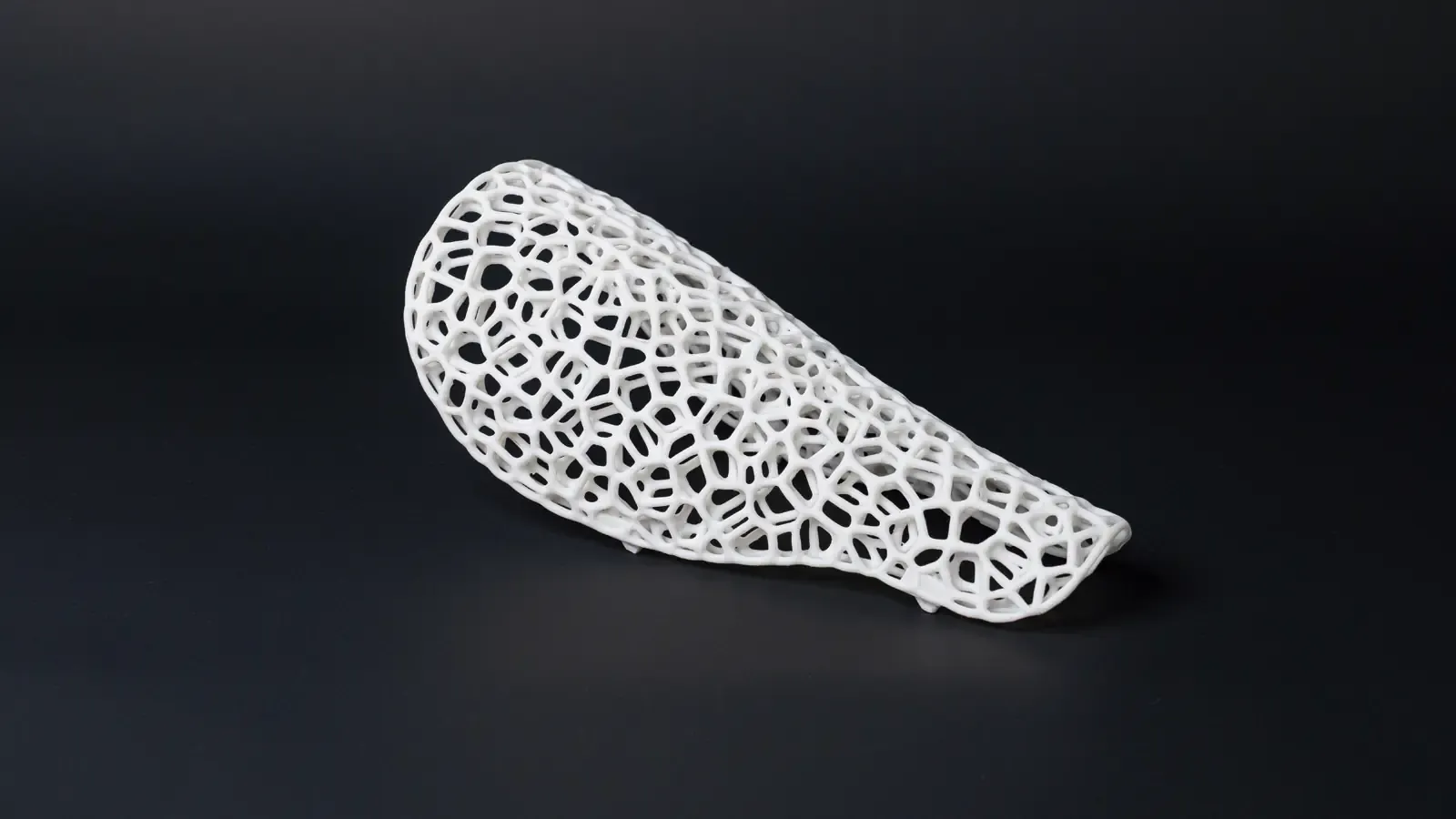
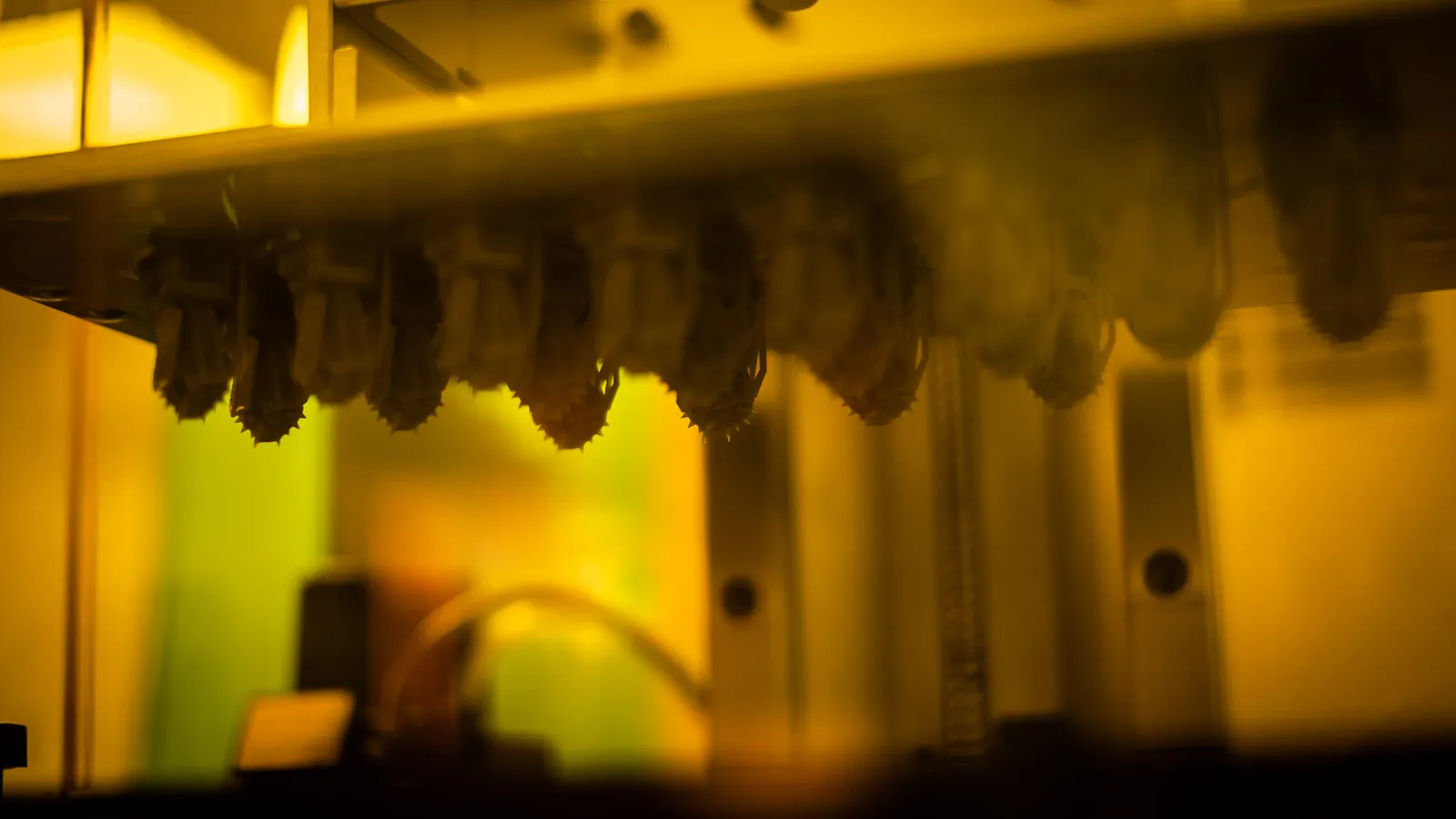
SLA printing cures liquid resin with light, layer by layer. The result is parts with fine details and a smooth surface that look like a finished product. We explain how SLA works, which resins we use and why SLA is also a good basis for silicone castings.
- 3D printing
- SLM
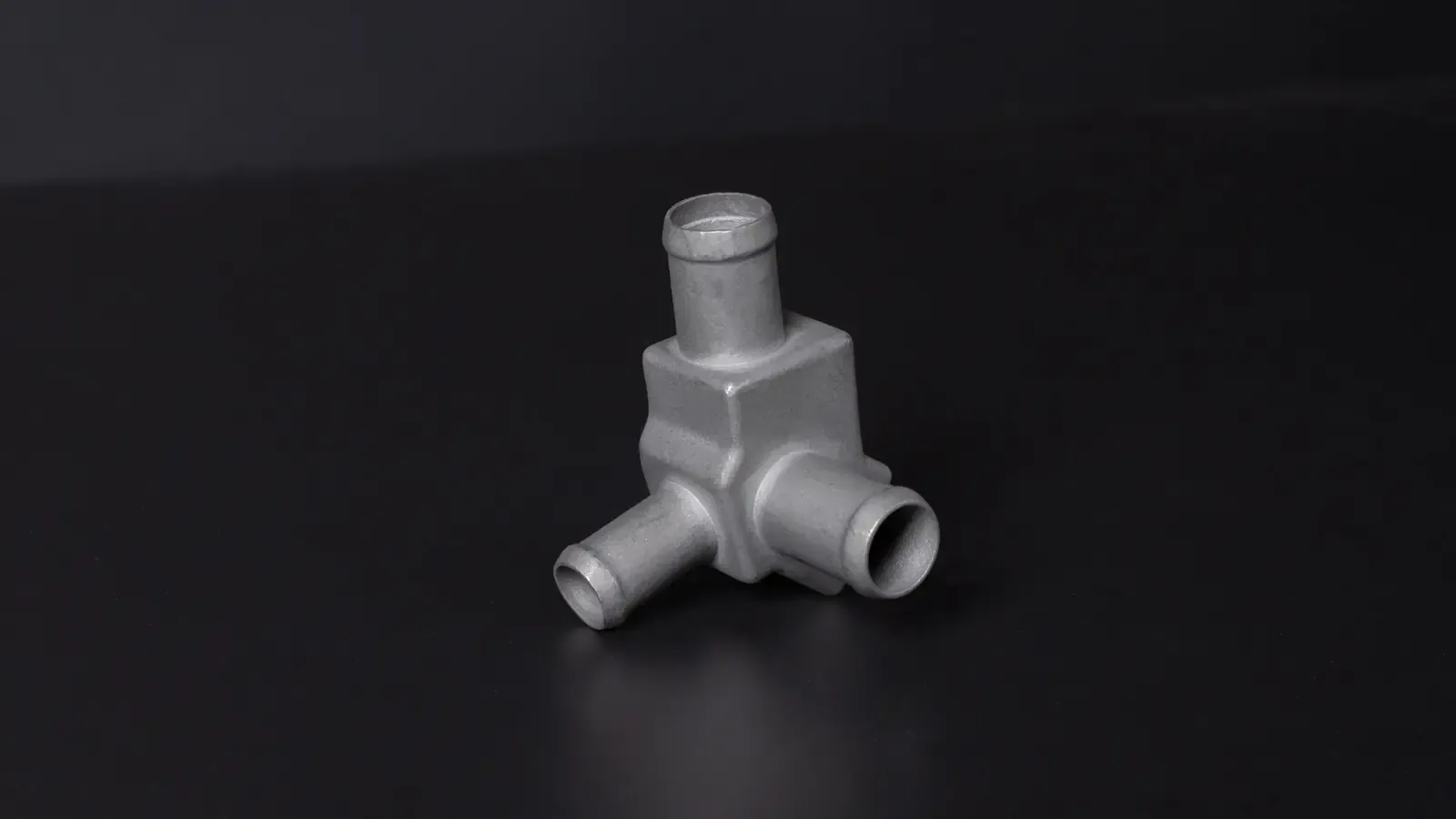
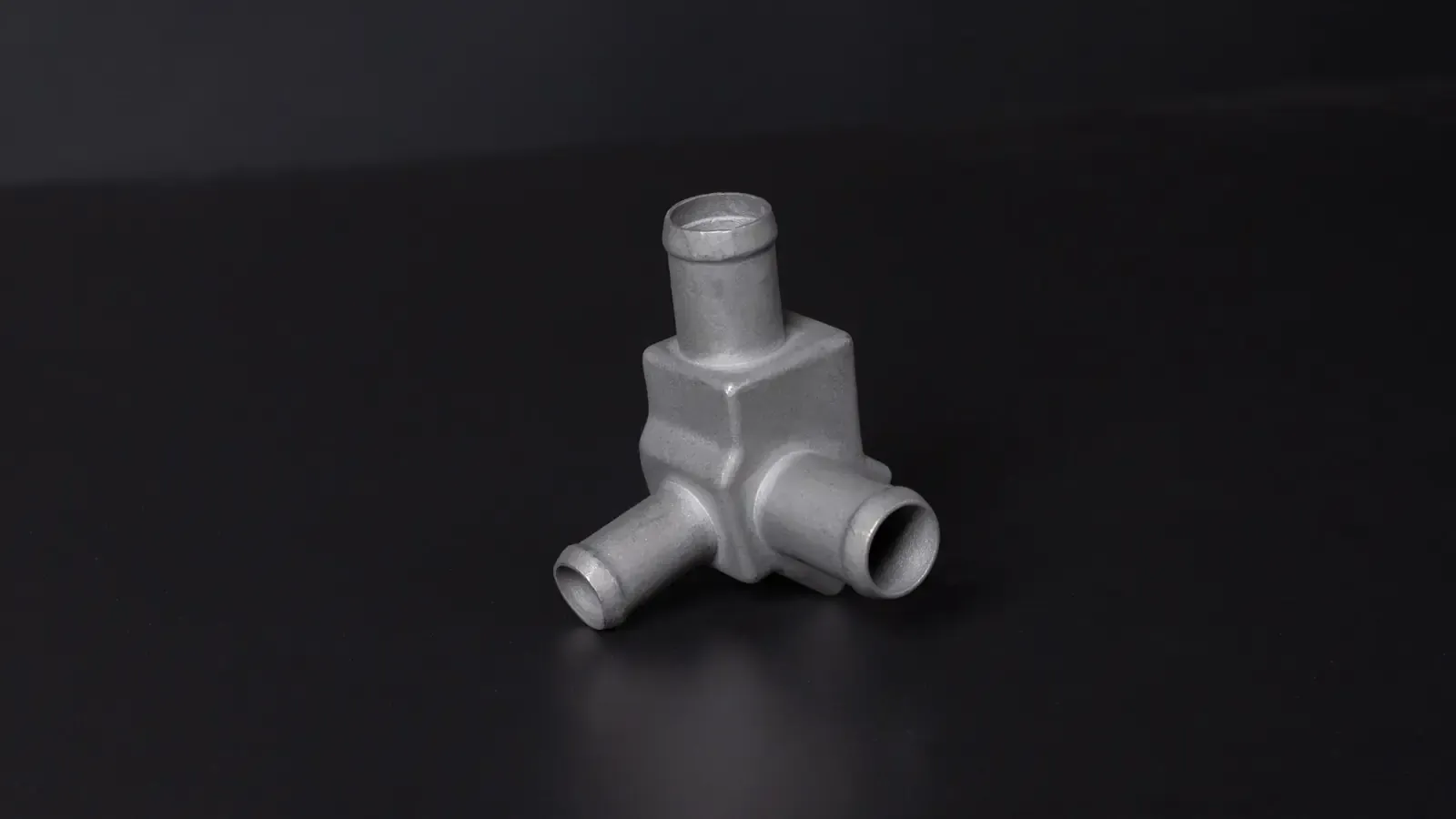
Metal 3D printing produces fully functional parts in aluminium, steel or titanium. It handles shapes that cannot be machined, such as internal cooling channels. We explain how it works, which metals are printed and when it pays off compared with conventional manufacturing.
- Materials
- SLS
We use two powder materials for SLS printing. PA12 nylon for strong functional parts and flexible TPU for seals, dampers and soft parts. We compare their properties, surface and when to choose which.
- Materials
- FDM
FDM printing offers the widest choice of plastics. From inexpensive PLA for models, through PETG and ASA for functional and outdoor parts, to flexible TPU and carbon fibre composites. We compare their strength, heat and UV resistance and advise when to choose which.
- Materials
- SLA
SLA printing is not only for good-looking models. Depending on the resin, a part can be as stiff as glass-filled plastic, as flexible as rubber, clear, heat resistant or antistatic. We go through the resin types, their properties and uses.
- Materials
- SLM
Metal 3D printing works with aluminium, stainless steel, 17-4 PH steel and titanium. Each metal suits a different kind of part. We compare their properties, uses and what a part needs after printing.
No article with such a title. Try a different search or category.