
Metal 3D printing with SLM for functional aluminium and steel parts
Published:
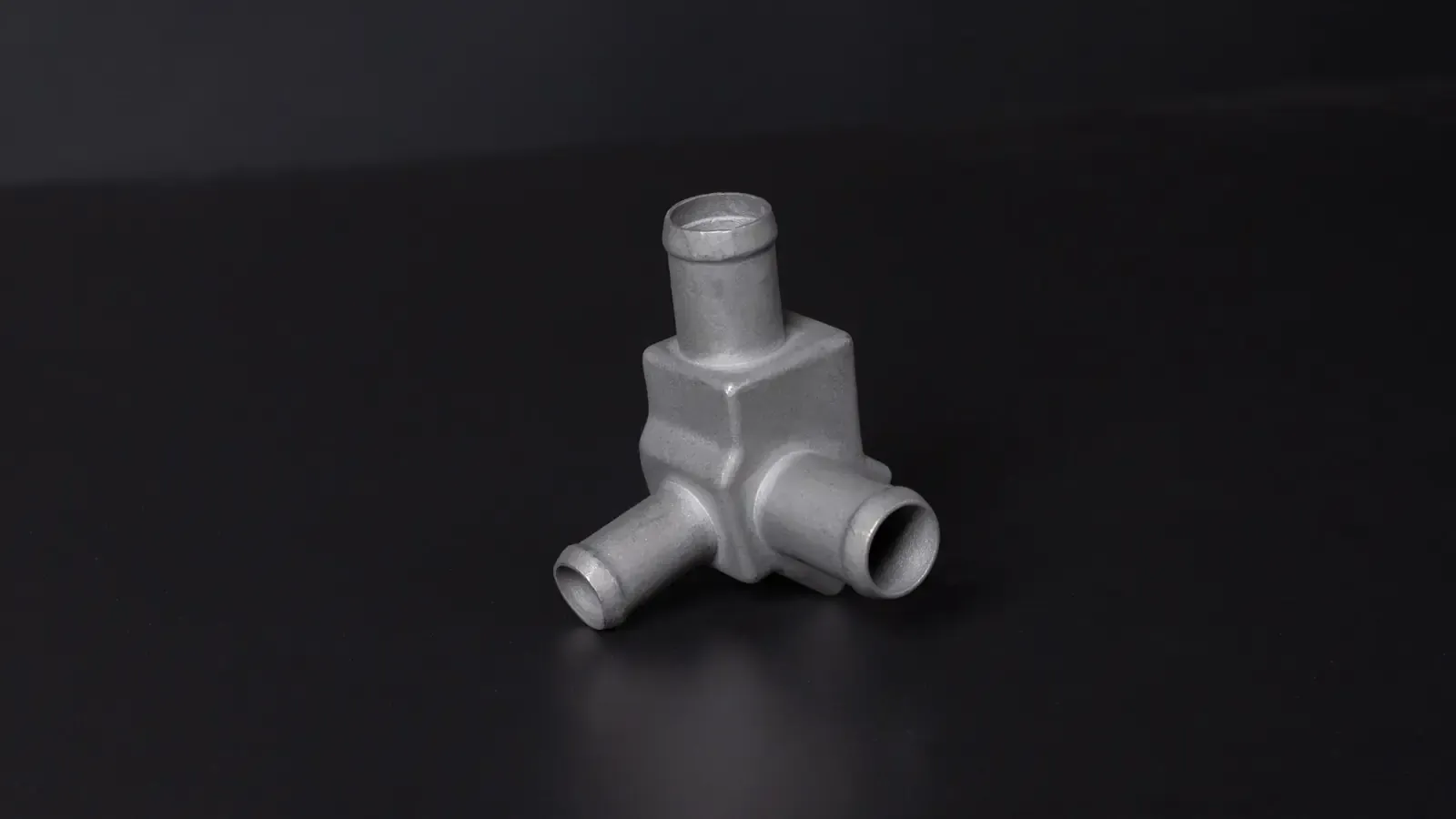
Metal 3D printing produces fully functional parts in aluminium, steel or titanium. It handles shapes that cannot be machined, such as internal cooling channels. We explain how it works, which metals are printed and when it pays off compared with conventional manufacturing.
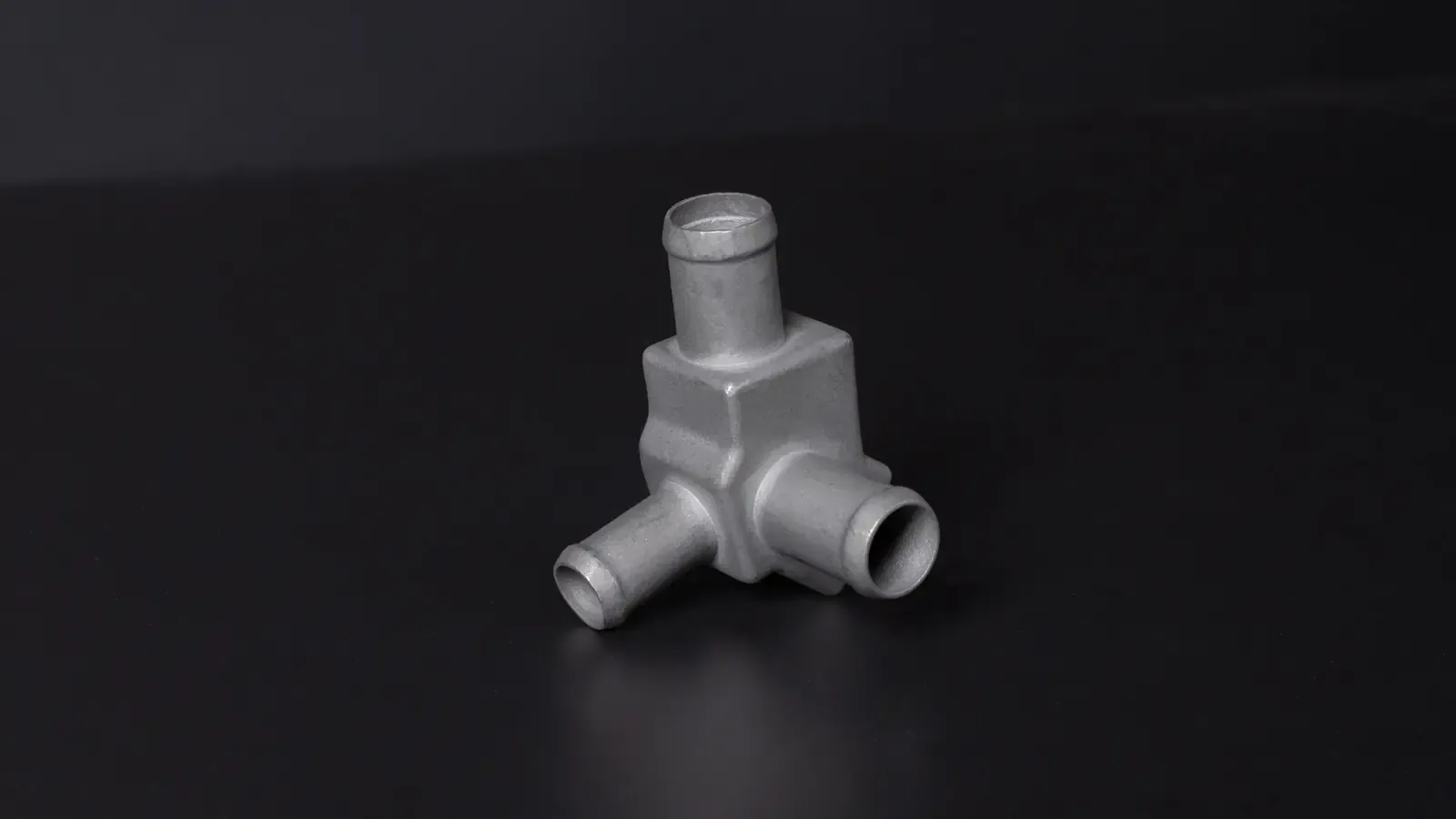
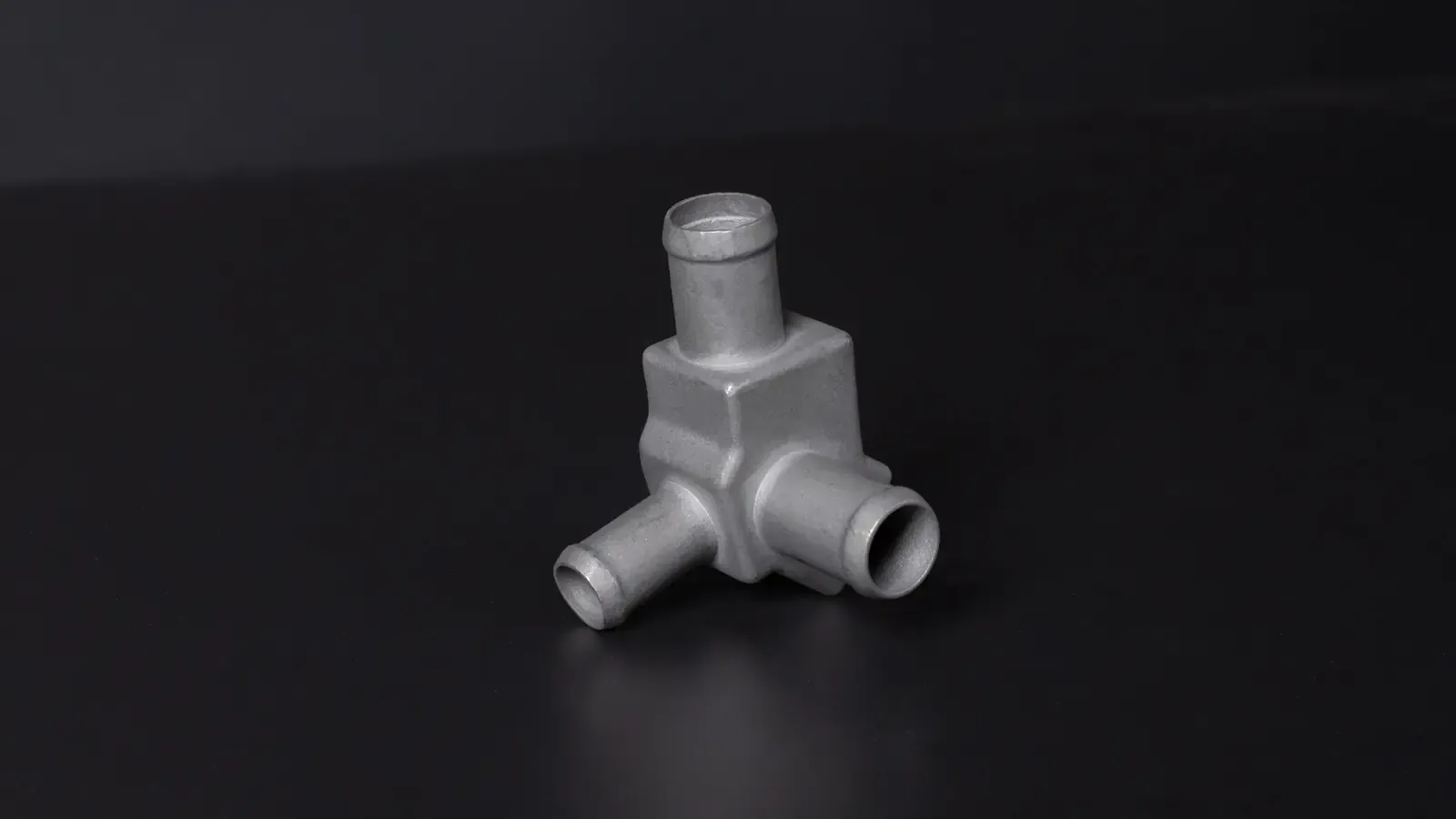
SLM (Selective Laser Melting) is the technology we use within our 3D printing service to provide metal parts for prototypes and small batches. Its parts are very strong and can be used where plastic is no longer enough.
Metal printing costs more than printing in plastic. For the right part, though, it saves both time and money because it replaces several manufacturing steps or a whole assembly.
How metal 3D printing works
The printer spreads a thin layer of fine metal powder. A powerful laser then fully melts the powder where the part's cross-section lies and the metal solidifies into a solid layer as it cools. The process repeats layer by layer, a typical layer is 0.03 to 0.06 mm thick.
Printing takes place in a protective atmosphere so the metal does not oxidise. The part is firmly attached to a metal build plate and is separated from it after printing.
SLM, DMLS and Binder Jetting
In metal 3D printing you will come across several names:
- SLM (Selective Laser Melting) fully melts the powder. Parts are dense and strong.
- DMLS (Direct Metal Laser Sintering) works in a very similar way and today both names are often used as synonyms.
- Binder Jetting (BJ) first bonds the powder with a binder and the part only gains its strength after heat treatment in a furnace.
Materials for metal 3D printing
| Material | Properties | Typical use |
|---|---|---|
| AlSi10Mg aluminium | very light, strong, good heat conductor | housings, heat sinks, light structural parts |
| Stainless steel | corrosion resistant | parts for humid and chemical environments |
| 17-4 PH steel | high strength and hardness after heat treatment | tools, mechanically loaded parts |
| Titanium | high strength at low weight | special and lightweight parts |
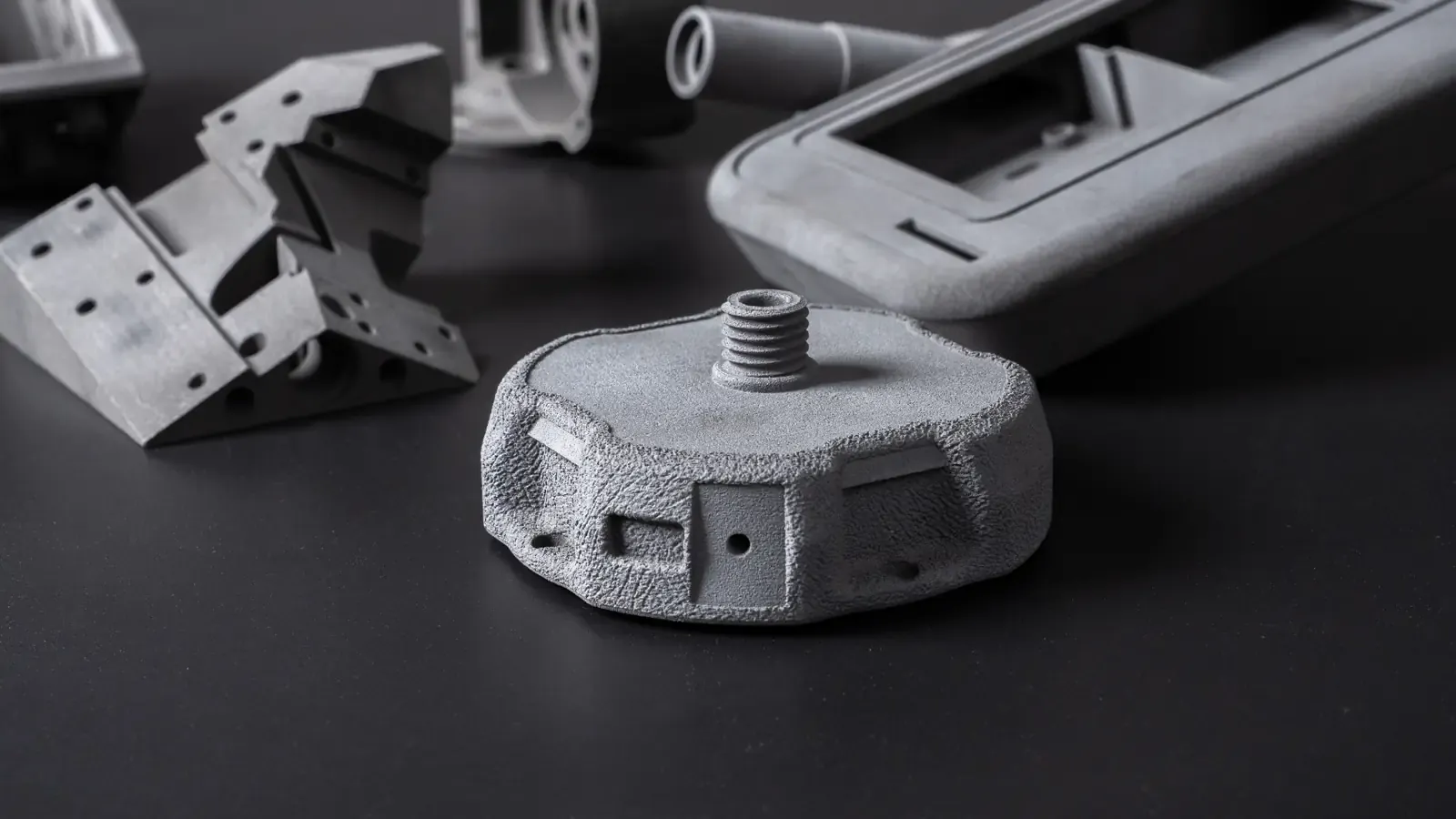
The most widely used alloy is AlSi10Mg. Its tensile strength is 332 to 480 MPa, its modulus of elasticity 70,000 to 76,000 MPa and its elongation 7 to 11 %. Its quality matches machined parts and after printing the surface is matte grey with a fine silicon sparkle.
You can read more about metals in the article on metal materials for 3D printing.
Strength and properties of metal parts
An SLM part is almost fully dense, so its mechanical properties come close to conventionally made parts. Unlike plastic technologies, you can also use it for structural and mechanically loaded parts.
| Parameter | Value |
|---|---|
| Typical layer height | 0.03-0.06 mm |
| Maximum size | depends on material and machine |
| Materials | steel, stainless steel, aluminium, titanium |
| As-printed surface | grainy |
Accuracy and the possible size depend on the material and the shape of the part, so we confirm them in every quote.
When metal printing beats machining
A simple part made from a block or a cylinder is usually cheaper to mill or turn. Metal 3D printing makes sense when:
- the part has internal channels, for example for cooling, that a tool cannot reach,
- you want to combine several parts into one and save assembly,
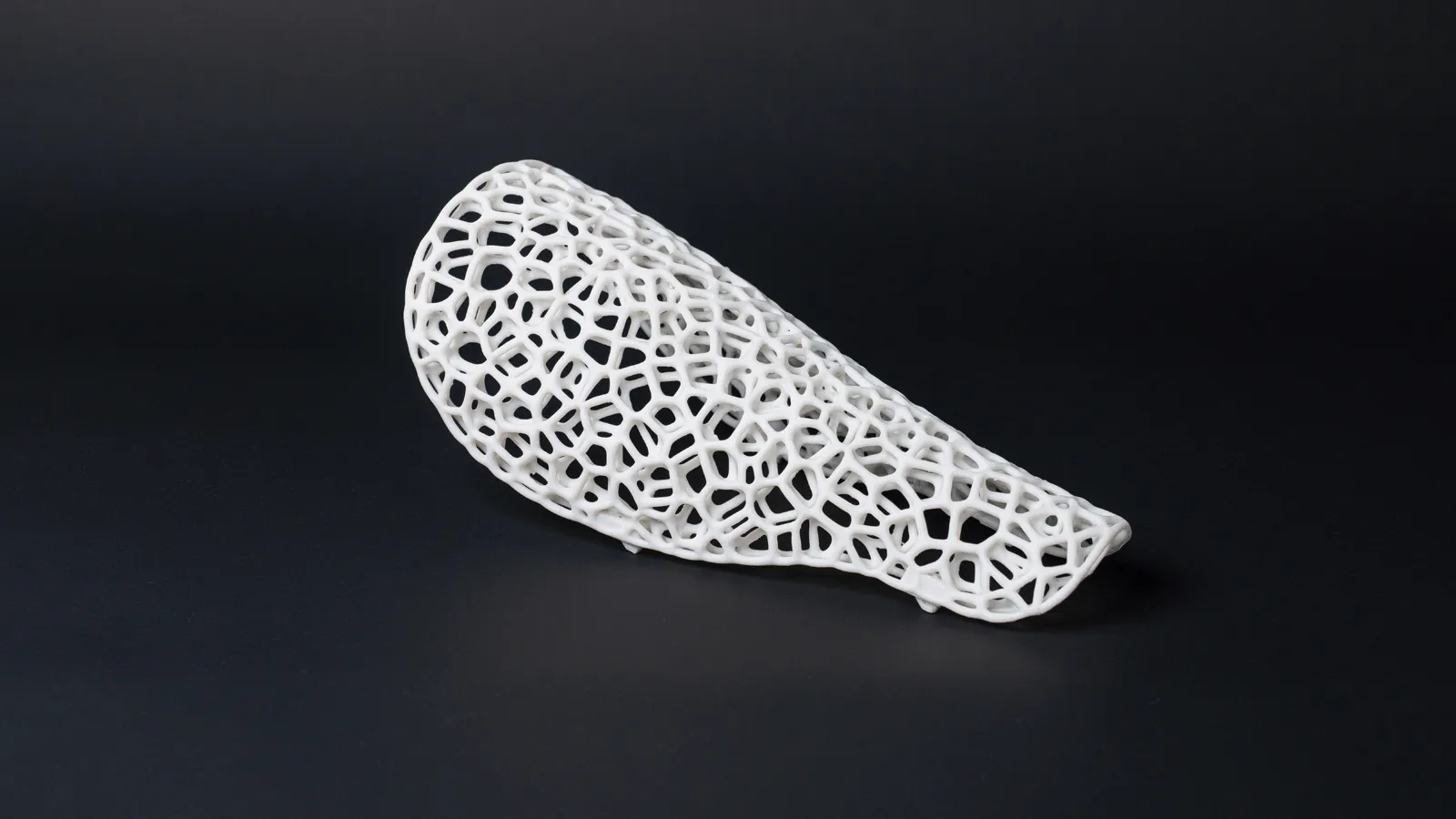
- the part should be light, for example with an internal lattice instead of solid material,
- you need a single piece or a small batch and do not want to pay for fixtures and tooling,
- it is a prototype that will still change.
The best results come from a part designed specifically for metal printing. If you have an existing part, we will advise what to change. We can also produce a metal replacement part without a drawing using 3D scanning and modelling.
Finishing metal parts
A metal part straight from the printer is not finished yet. Several steps follow:
- Support removal. Metal printing needs supports for overhangs and also to carry heat away.
- Heat treatment. It relieves internal stress and increases strength for some metals.
- Machining of functional surfaces. Mating surfaces, threads and precise holes are often finished by machining.
- Surface treatment. The grainy surface can be evened out by blasting or polished.
These steps need to be considered at the design stage. Surfaces that will be machined get extra material allowance.
Related services
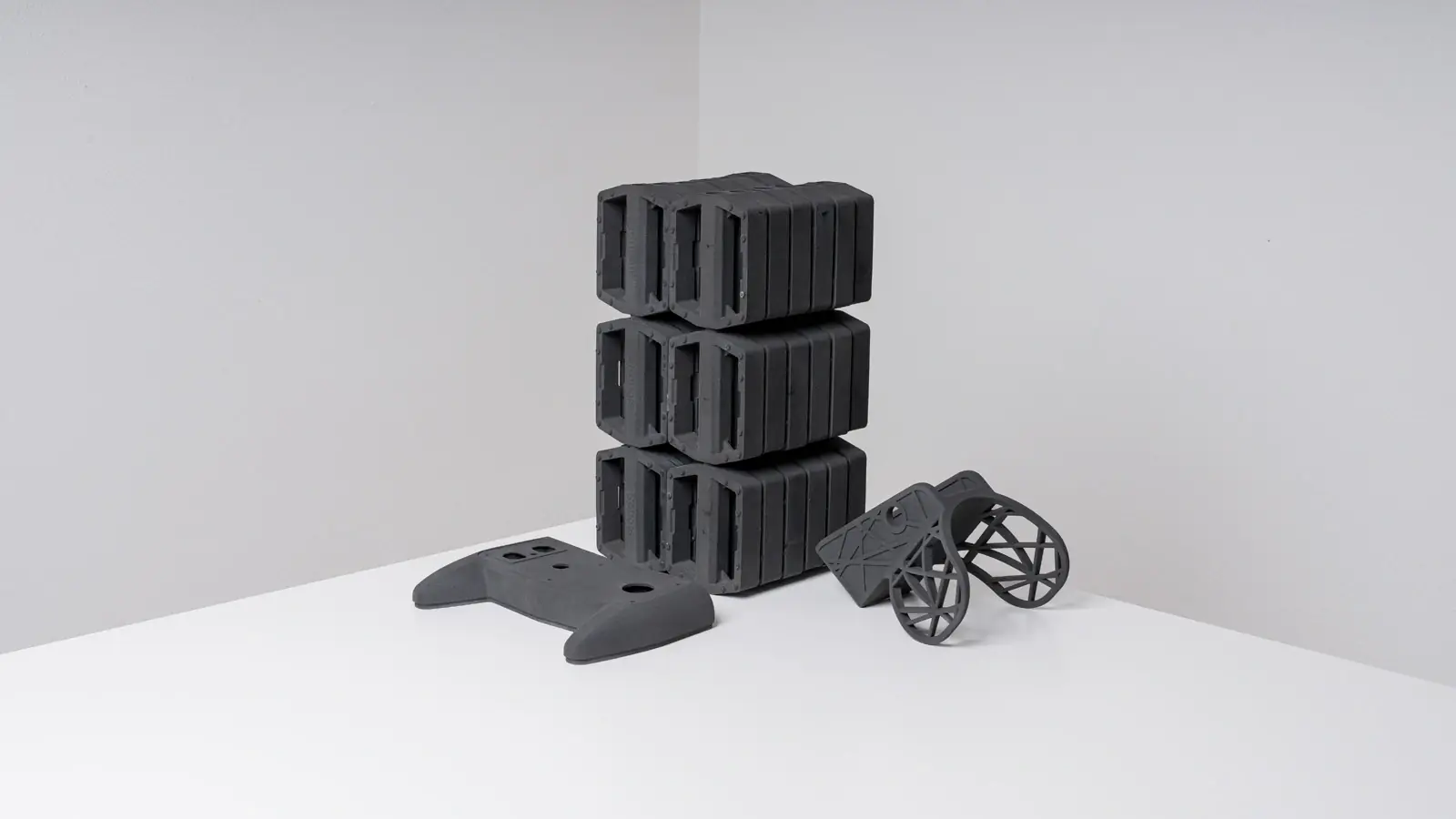
3D printing
Fast and flexible production of parts according to your ideas – from prototypes to finished components.
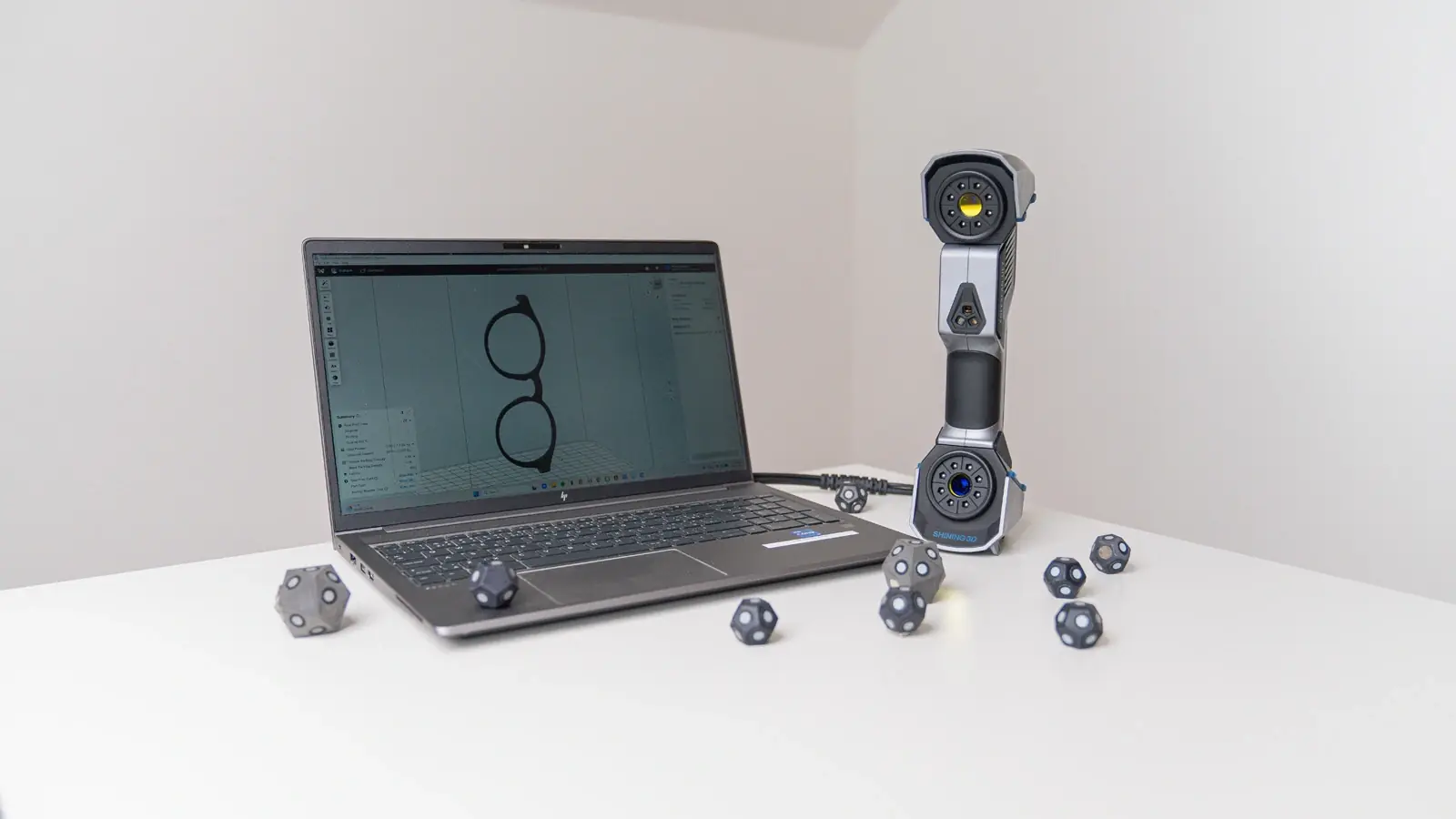
3D scanning and modelling
Precise digitisation of existing objects or creation of 3D models based on your ideas.
Assembly
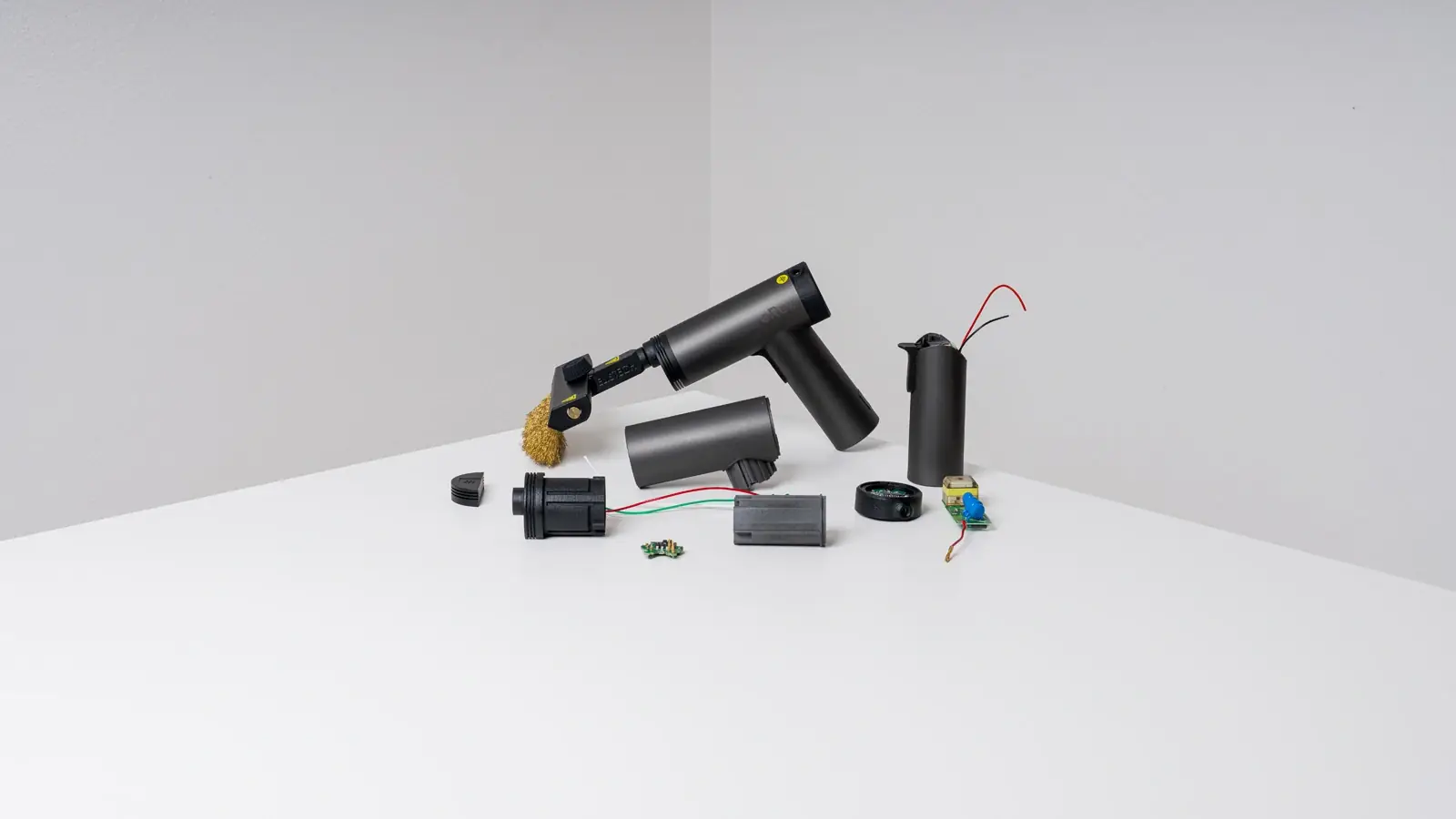
We provide assembly as part of production when you have parts or components manufactured by us. Based on your requirements, we can assemble them into a functional unit.
Frequently asked questions


Is a 3D printed metal part as strong as a machined one?
With the right design and heat treatment it has comparable properties. With AlSi10Mg aluminium the quality matches machined parts.
Why is metal printing more expensive than plastic?
Metal powder costs more, printing is slower and the part needs more finishing. That is why it pays off mainly for complex parts.
Can a thread be made in a metal part?
Yes. Threads are usually cut after printing so they are accurate.
How large a part can be printed?
It depends on the material and the machine. Send us your model and we will confirm the options in our quote.







Related articles