
Comparing the 3D printing technologies FDM, SLS, SLA and SLM
Published:
Each 3D printing technology suits a different kind of part. In this article we compare them side by side by size, detail, strength and price. At the end you will find a simple way to choose the right one for your project.
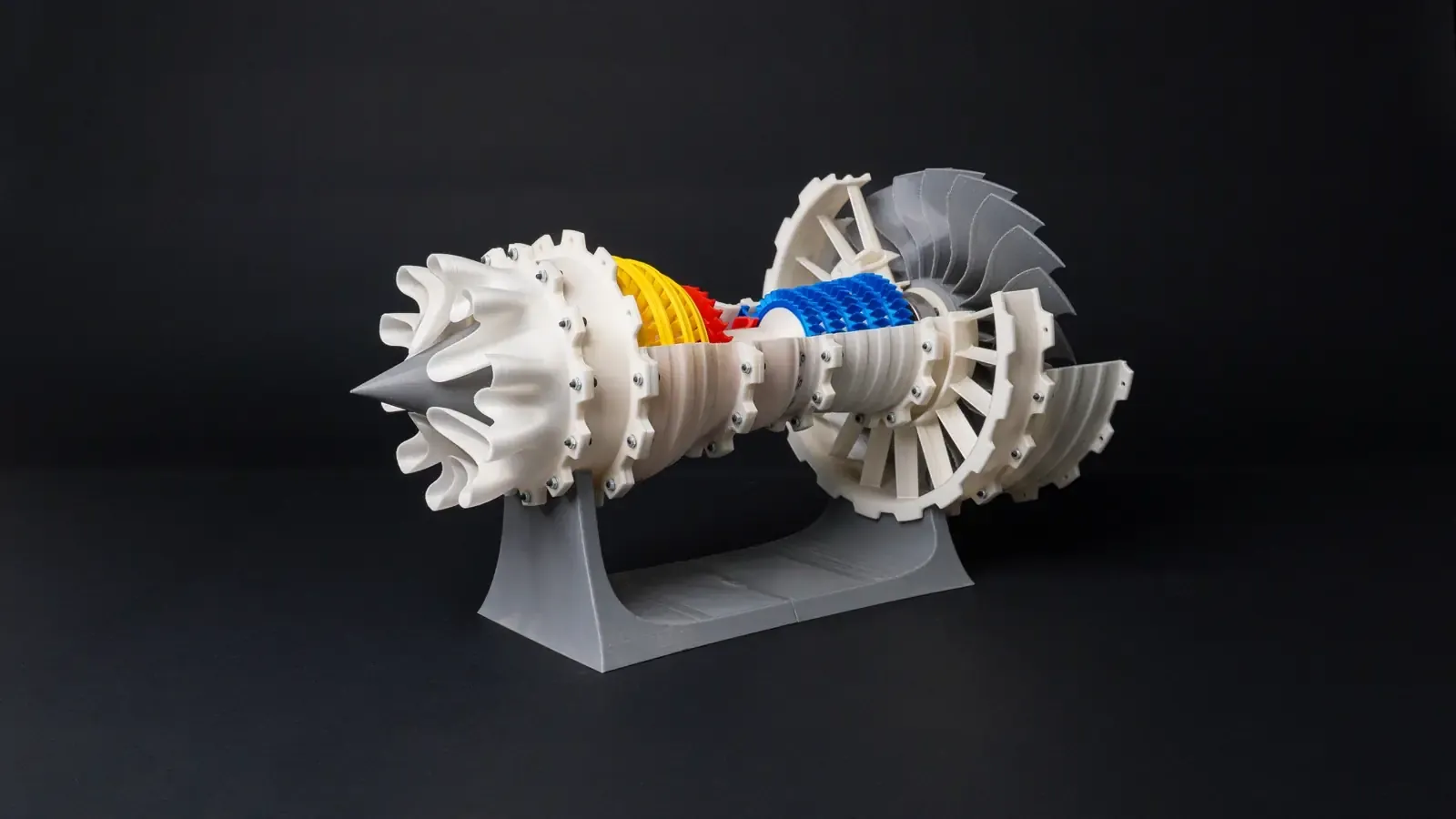
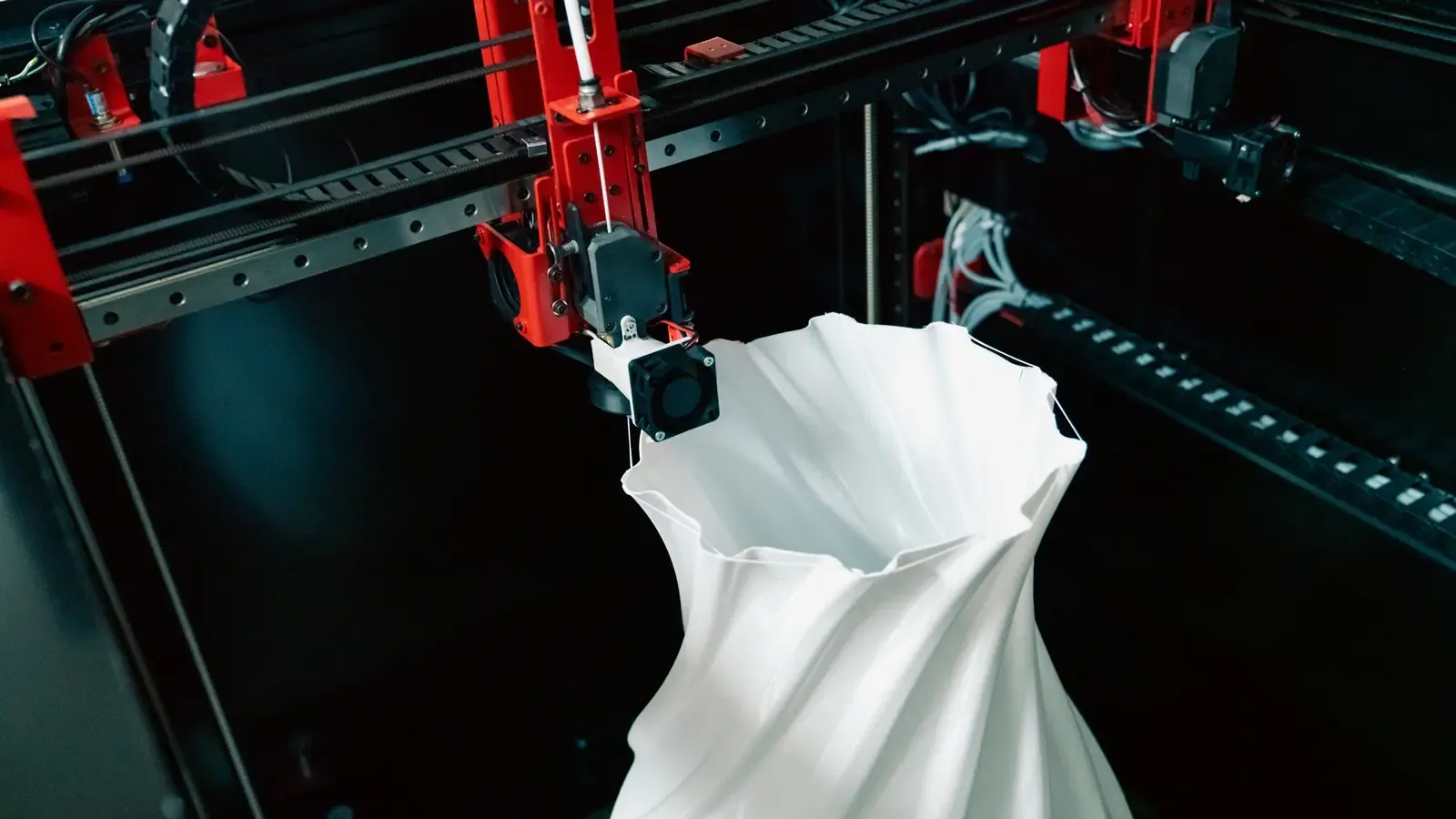
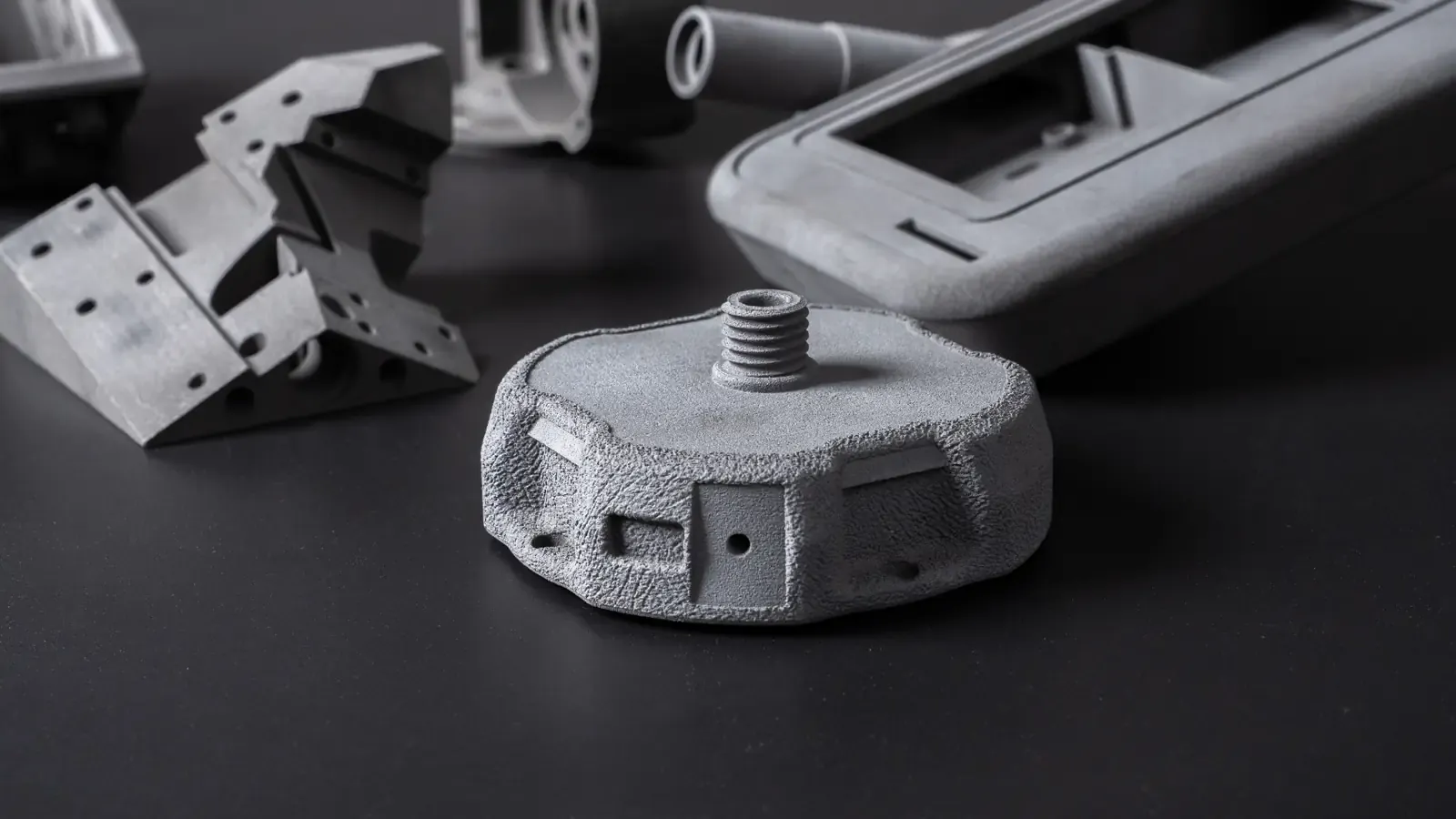
At eRobots we use four technologies for 3D printing. FDM prints from plastic filament, SLS sinters nylon powder, SLA cures resin and SLM melts metal powder. We choose the right technology based on material, accuracy, mechanical properties, appearance and quantity.
Technology overview table
| FDM | SLS | SLA | SLM | |
|---|---|---|---|---|
| Material | plastic filament (PLA, PETG, ASA, TPU, composites) | PA12 powder, TPU | liquid resin | metal powder (aluminium, steel, stainless steel, titanium) |
| Maximum size | 1,200 × 600 × 640 mm | 160 × 160 × 295 mm | 335 × 200 × 300 mm | depends on material |
| Layer height | 0.08-0.10 mm | 0.11 mm | from 0.025 mm | 0.03-0.06 mm |
| Surface | visible layers | finely grained | very smooth | grainy |
| Detail | medium | good | very high | good |
| Strength | depends on orientation | high in all directions | depends on resin | highest, metal |
| Supports | for overhangs | not needed | needed | needed |
| Price | lowest | medium, low in batches | medium | highest |
| Best for | large and low-cost parts | functional parts and batches | detailed and visual parts | functional metal parts |
You will find details on each technology in the separate articles on FDM, SLS, SLA and metal printing.
Which technology to choose for a prototype
It depends on what you want to test with the prototype.
- Shape and dimensions. FDM is enough. It is the cheapest and saves the most when you make several versions.
- Appearance for a presentation or a photo shoot. Choose SLA. The part has a smooth surface and after painting it looks like a finished product.
- Function and fit with other parts. Choose SLS. A PA12 part has properties close to the final plastic part.
Which technology to choose for a functional part
For functional plastic parts SLS is the most common choice. The part is strong in all directions, resists oils and outdoor conditions and can be fitted with threaded inserts.
If the part is larger than 160 × 160 × 295 mm, we use FDM in PETG, ASA or a carbon fibre composite. For special requirements, such as an antistatic or flame retardant material, we turn to SLA with an engineering resin.
Which technology to choose for a small batch
For batches of tens to hundreds of pieces SLS is the most cost-effective. Parts are stacked in the chamber and printed at once, so the price per piece goes down. No mould is needed, so you can change the part between batches.
We can finish production parts straight away. We dye them black, install threaded inserts and assemble them if needed.
Which technology to choose for a metal part
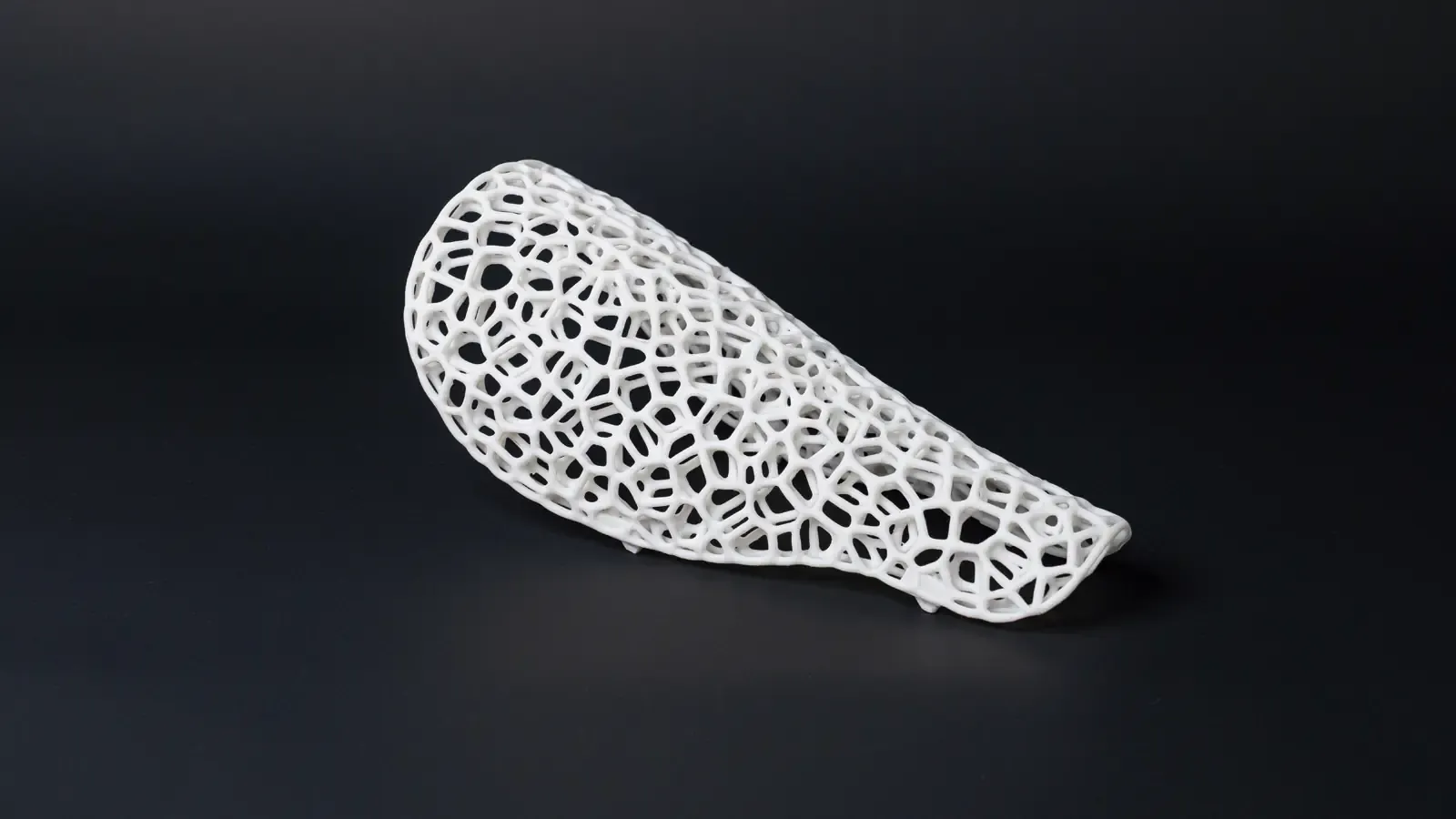
We print metal parts with SLM. It pays off mainly for complex shapes with internal channels, for combining several parts into one or for lightweight structures. A simple metal part is usually cheaper to machine.
How to choose a technology in five questions
- Does the part have to be metal? If yes, SLM. If not, continue.
- Is the part larger than about 300 mm? If yes, FDM. If not, continue.
- Do appearance and fine details matter most? If yes, SLA. If not, continue.
- Will the part carry mechanical load, or do you need more pieces? If yes, SLS.
- Is it just a quick shape check? If yes, FDM.
This is a simplified guide. When choosing, we also consider the material, the environment the part will work in and the budget. If you are not sure, send us your model and we will recommend the right technology.
Related services
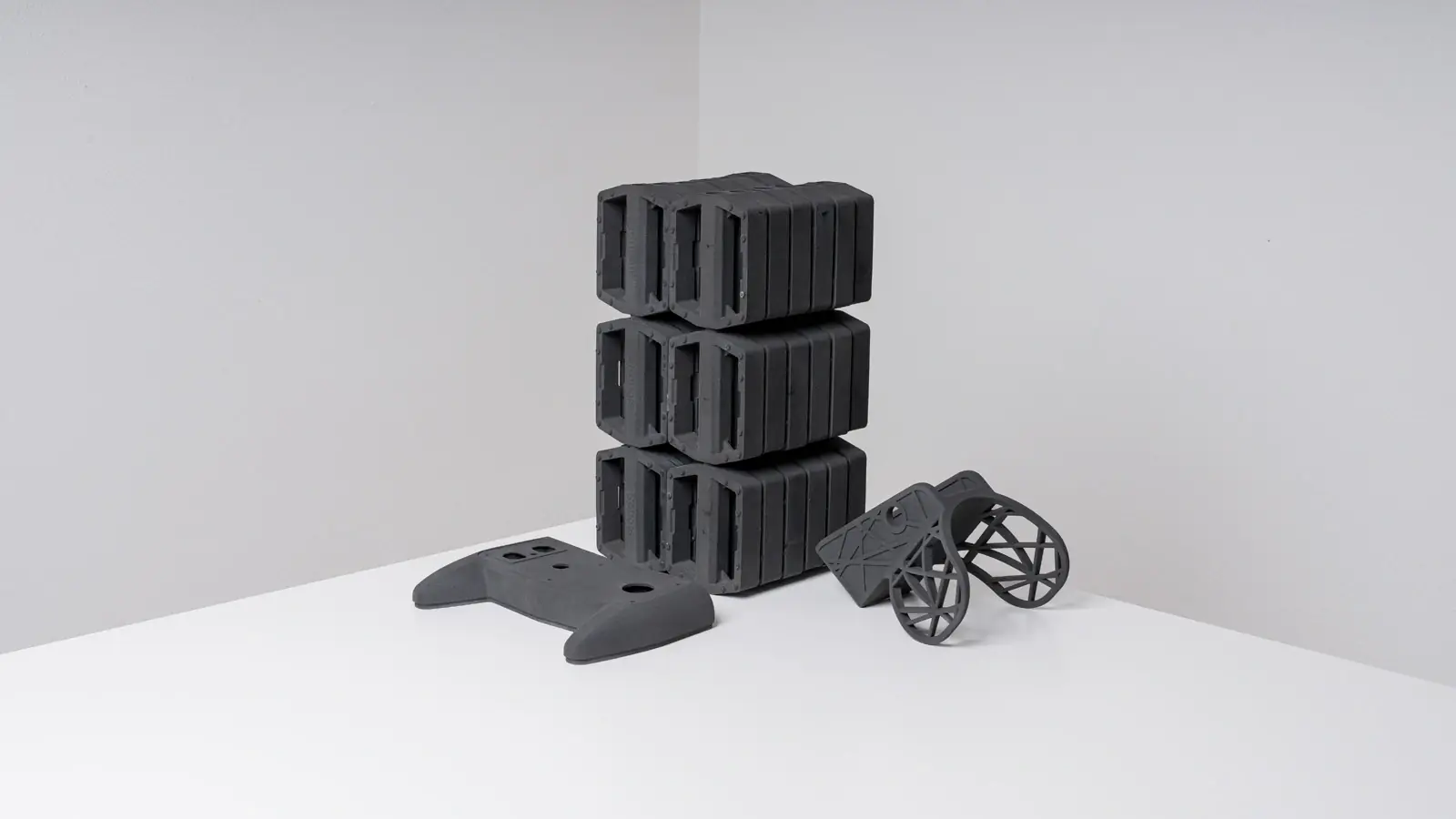
3D printing
Fast and flexible production of parts according to your ideas – from prototypes to finished components.
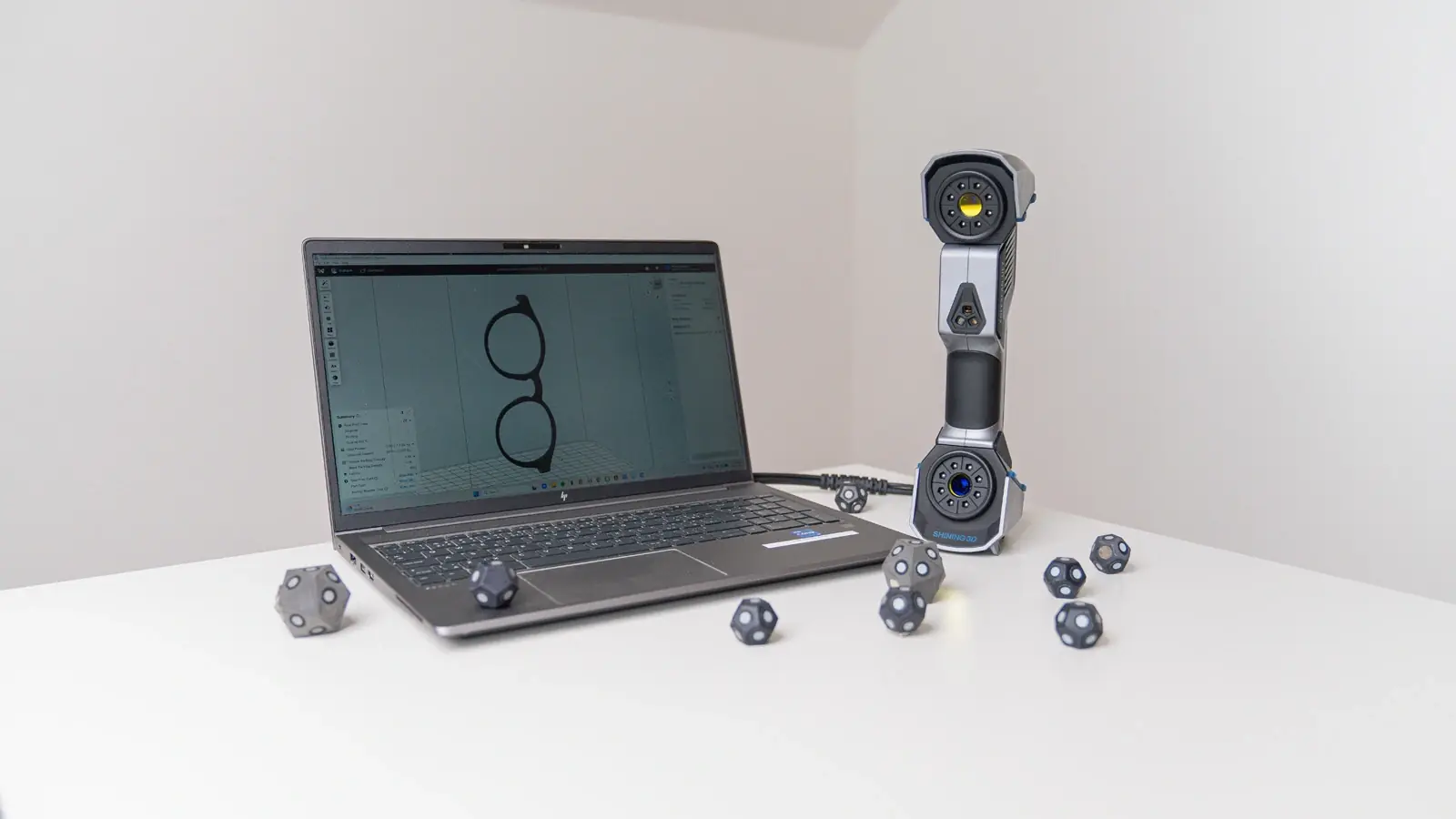
3D scanning and modelling
Precise digitisation of existing objects or creation of 3D models based on your ideas.
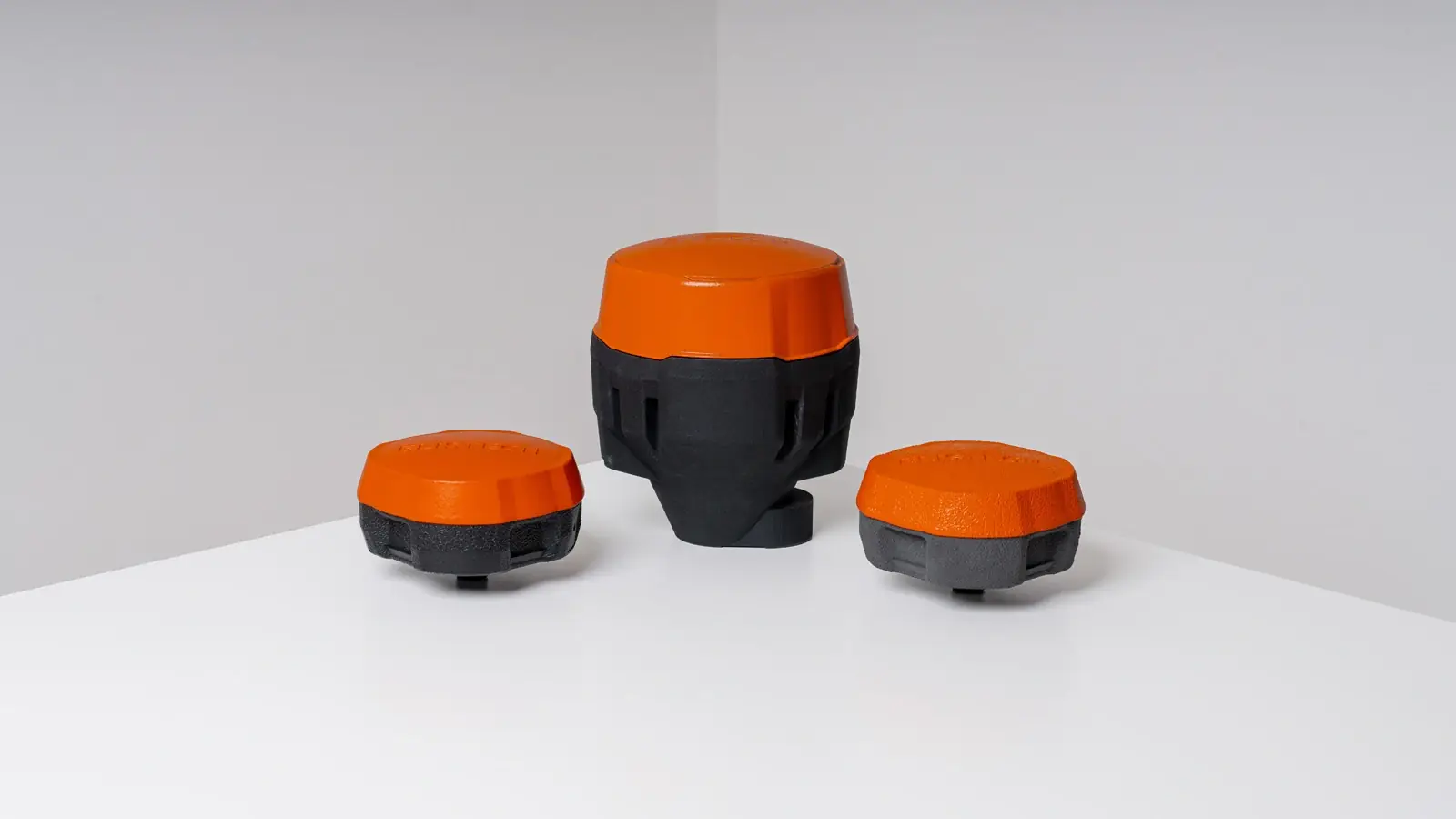
Surface finishing
Surface finishing of parts for appearance, functionality or durability. Colouring, dyeing, texturing.
Frequently asked questions


Which 3D printing technology is the cheapest?
FDM. For batches of small parts, though, the price per piece can be lower with SLS because the whole chamber is used.
Which technology is the most accurate?
SLA. It has the thinnest layer from 0.025 mm and the smoothest surface.
Can I combine several technologies in one product?
Yes, it is common. For example, a housing in SLS, a clear window in SLA and a large frame in FDM. We then assemble the parts into one product.
Do I have to choose the technology myself?
No. In the free quote form just describe what the part is for and we will suggest the technology.







Related articles