
How FDM 3D printing works and when it pays off
Published:
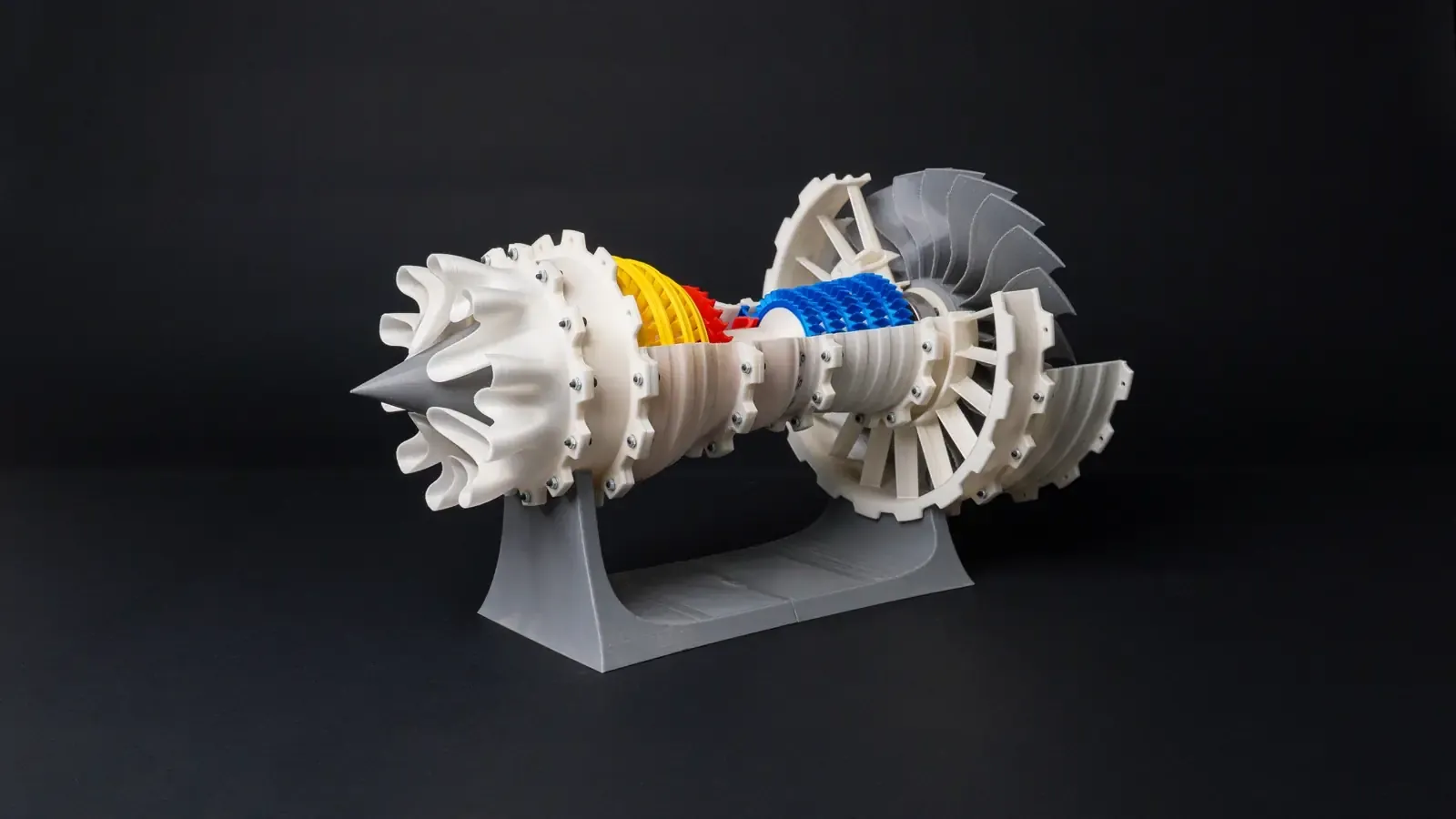
FDM is the most widely used 3D printing technology. The part is built from molten plastic filament, layer by layer. It is affordable, fast and can produce parts more than a metre long. We explain how it works, which plastics we print with and when another technology is the better choice.
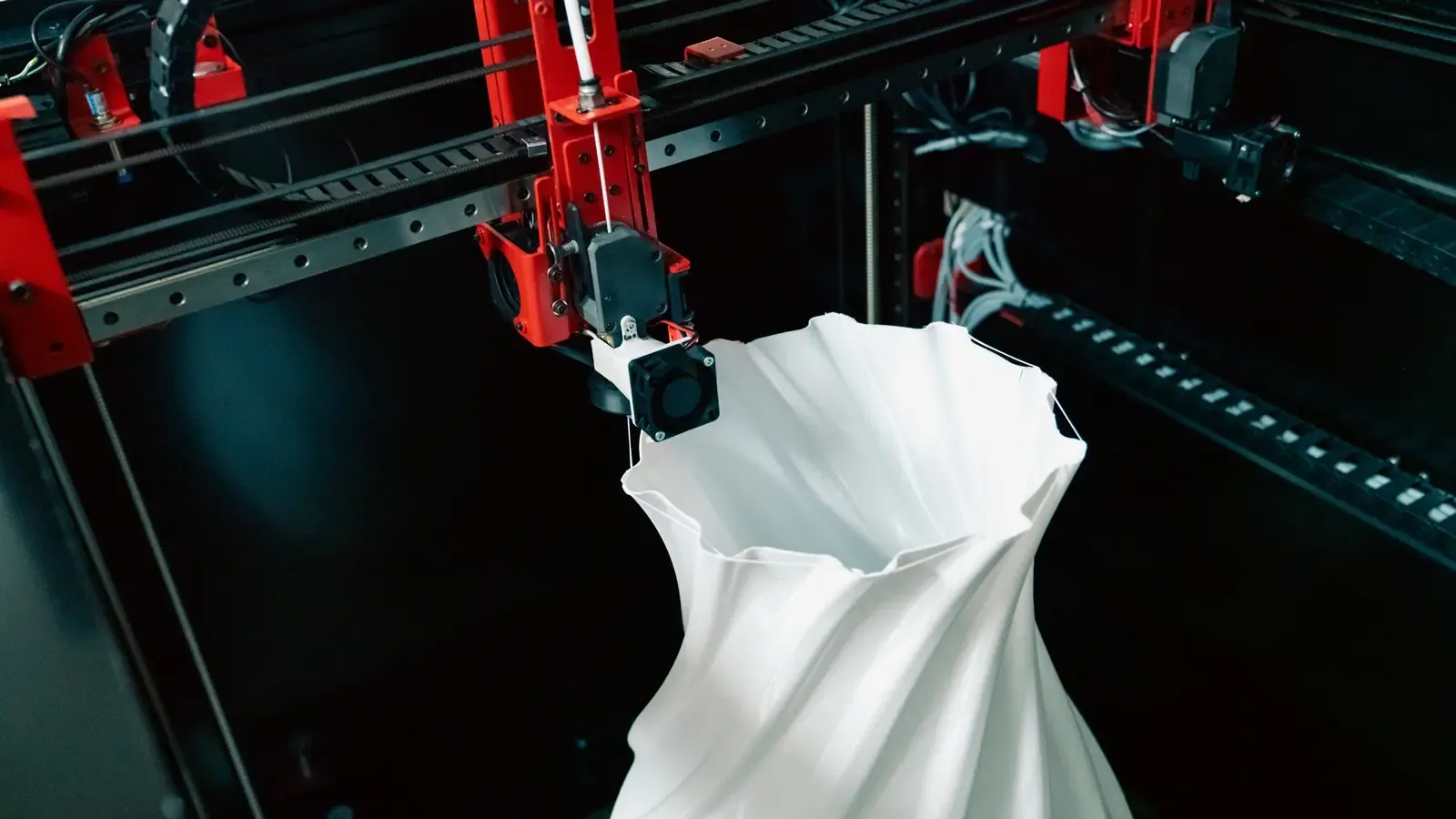
FDM (Fused Deposition Modeling), sometimes also called FFF, is the technology we use at eRobots for 3D printing low-cost prototypes, jigs and large parts. We print on a large-format Modix BIG-120X printer with a build volume of 1,200 × 600 × 640 mm.
The choice of materials is wide, from inexpensive PLA to strong carbon fibre composites. That is why FDM is often the first step when developing a new product.
How FDM printing works
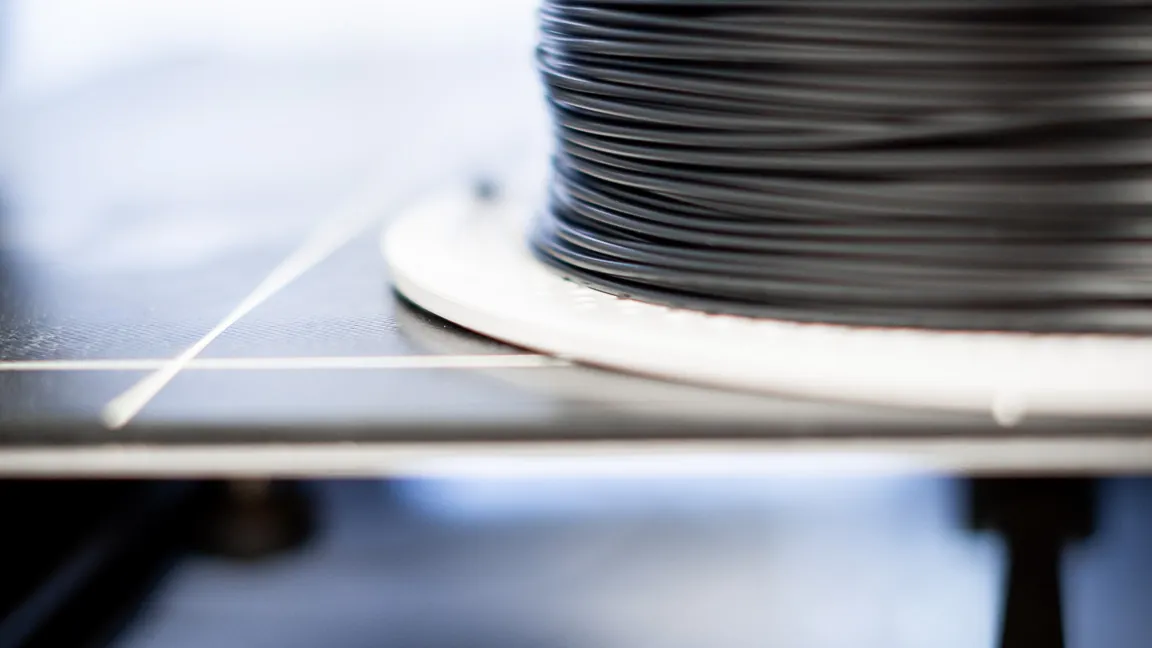
The printer feeds plastic filament from a spool into a heated nozzle. The nozzle lays the molten plastic onto the build plate in thin lines and draws one cross-section of the part. Then it moves up by one layer and the process repeats until the part is finished.
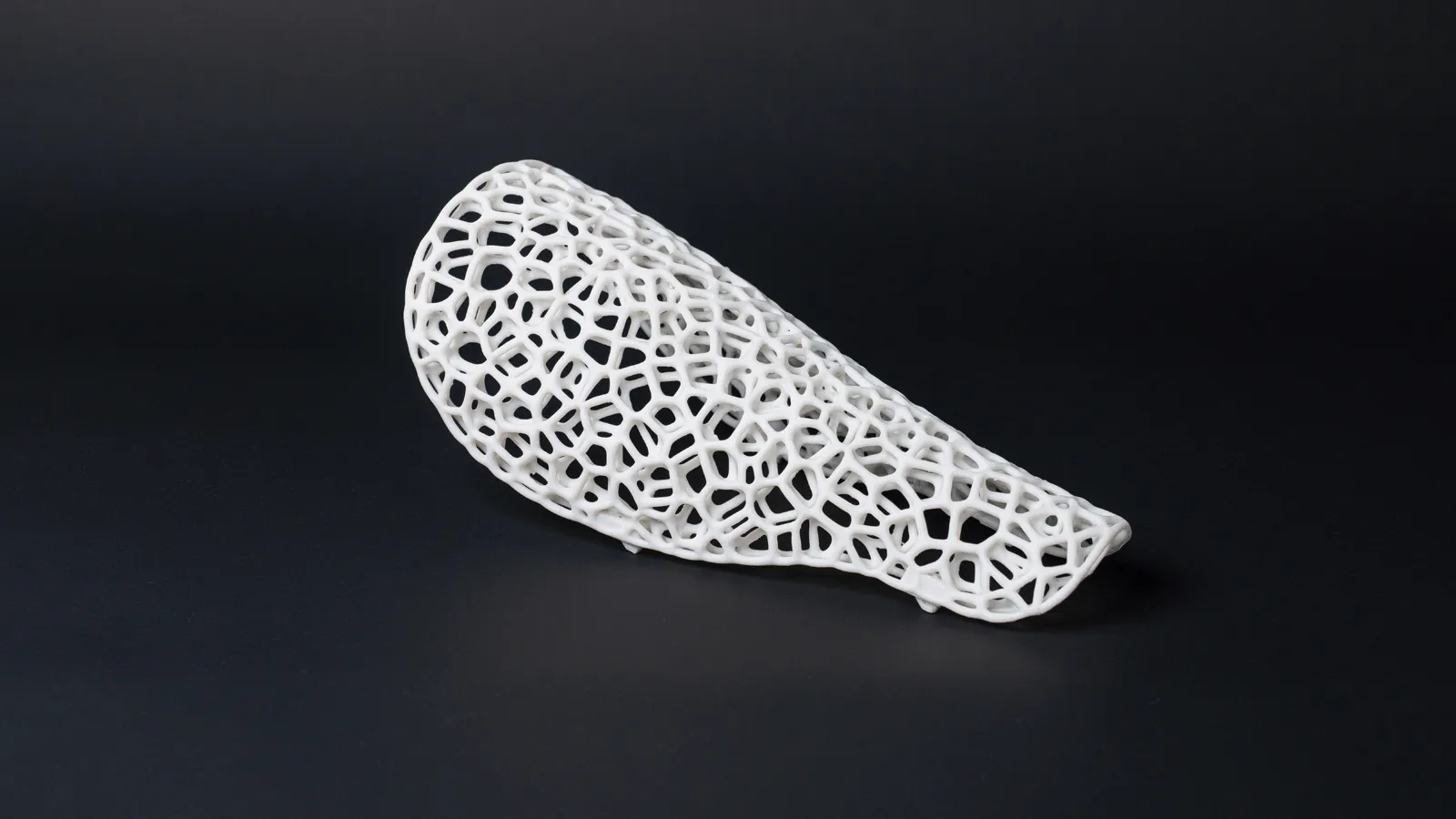
The inside of the part does not have to be solid. The walls are printed solid and the inside is filled with a lattice called infill. By changing the infill density we balance strength, weight and price.
Supports and part orientation
Overhangs and flat ceilings need support during printing, which is removed afterwards. Supports leave a mark on the surface. That is why we orient the part in the printer so that it needs as few supports as possible and the visible faces stay clean.
Orientation also affects strength. Layers hold together better along the direction they were laid down than between each other. A part that will carry load is therefore oriented according to the direction of the load.
Materials for FDM printing
| Material | Properties | Typical use |
|---|---|---|
| PLA | inexpensive, dimensionally stable, low shrinkage, brittle, withstands up to 50-55 °C | visual prototypes, models, shape mock-ups |
| PETG | tougher than PLA, more resistant to heat and chemicals | functional parts, housings, holders |
| ASA | resistant to UV light and weather | outdoor parts |
| TPU | flexible, resistant to abrasion and impact | seals, bumpers, soft grips |
| PETG-CF and PLA-CF | plastic with carbon fibres, stiffer, with a matte surface | jigs, stiff structural parts |
You will find a detailed comparison in the article on plastics for FDM printing and the values in our technical data sheets.
FDM printing specs at eRobots
| Parameter | Value |
|---|---|
| Printer | Modix BIG-120X |
| Maximum part size | 1,200 × 600 × 640 mm |
| Minimum layer height | 0.08-0.10 mm |
| Surface | medium detail, visible layers |
| Materials | PLA, PETG, ASA, TPU, composites |
A thin layer gives a smoother surface, but printing takes longer. For large parts we therefore use a thicker layer and keep the fine one where appearance matters.
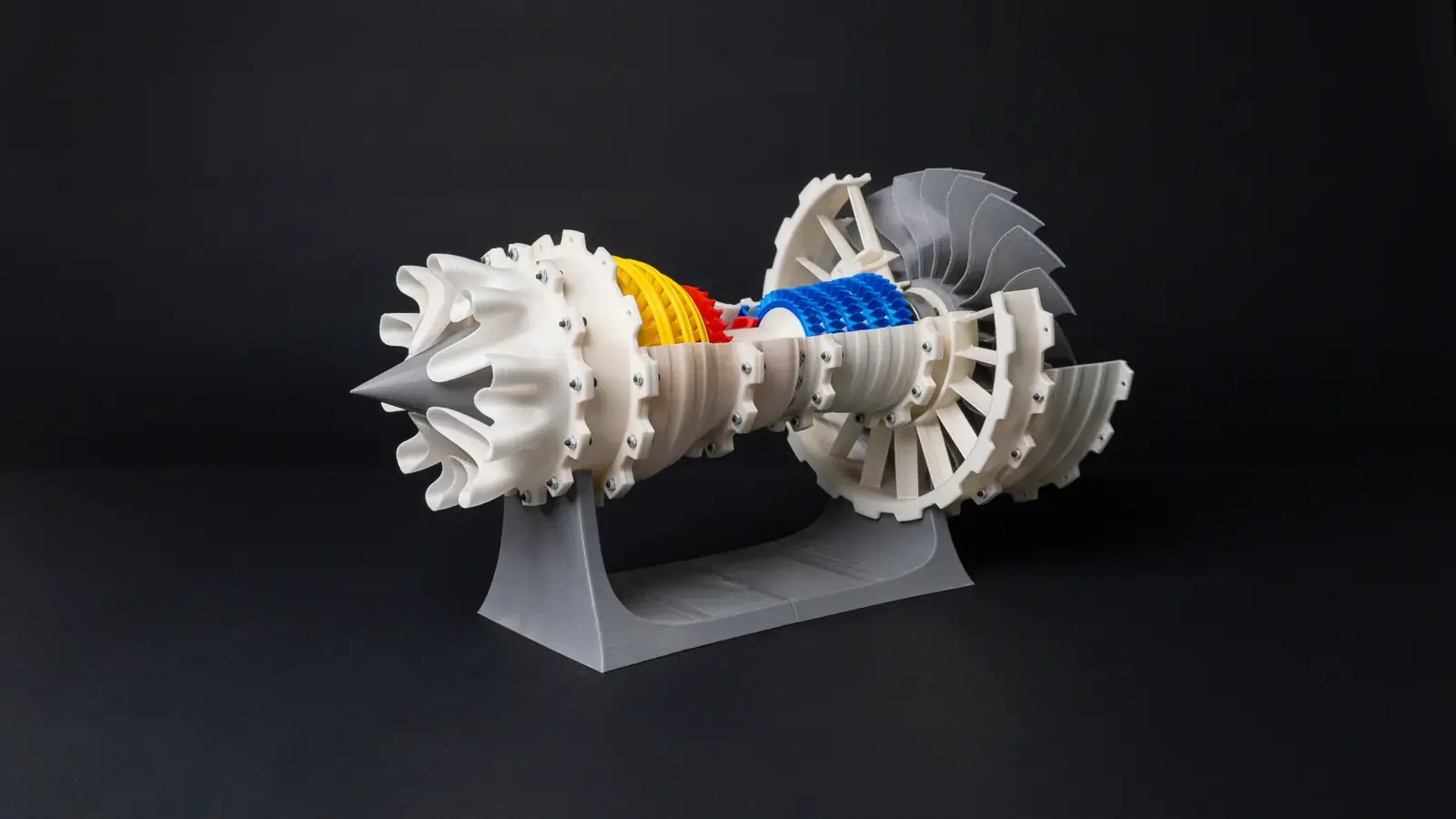
When to use FDM and when not to
FDM is a good choice when:
- you need a low-cost prototype and plan several versions,
- the part is large, for example a machine cover, a mock-up or an exhibition model,
- you are making jigs, holders and covers for production,
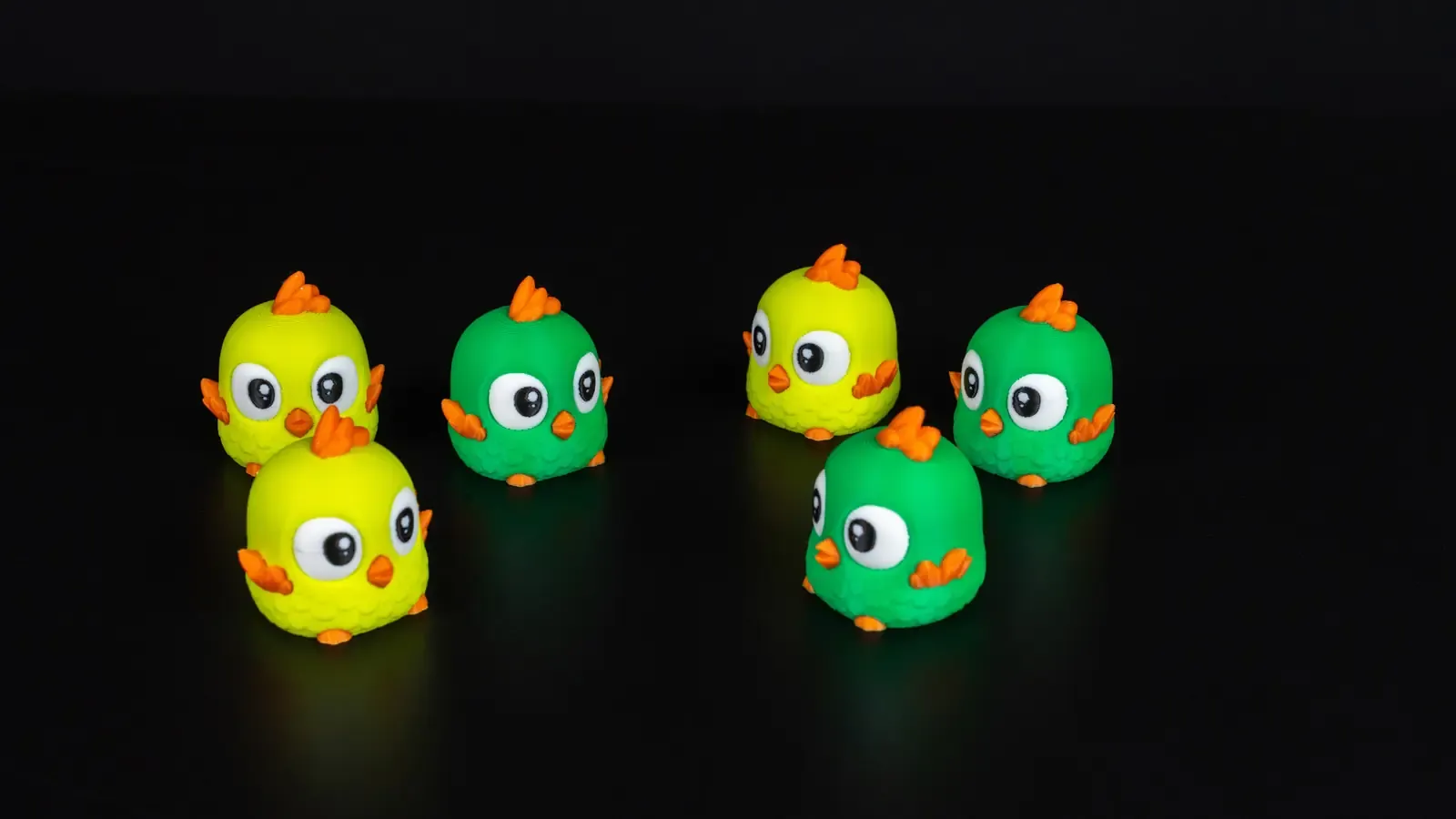
- you want to print in a biodegradable material or in several colours.
We recommend another technology when:
- the part needs fine details or a smooth surface without layers, then SLA is better,
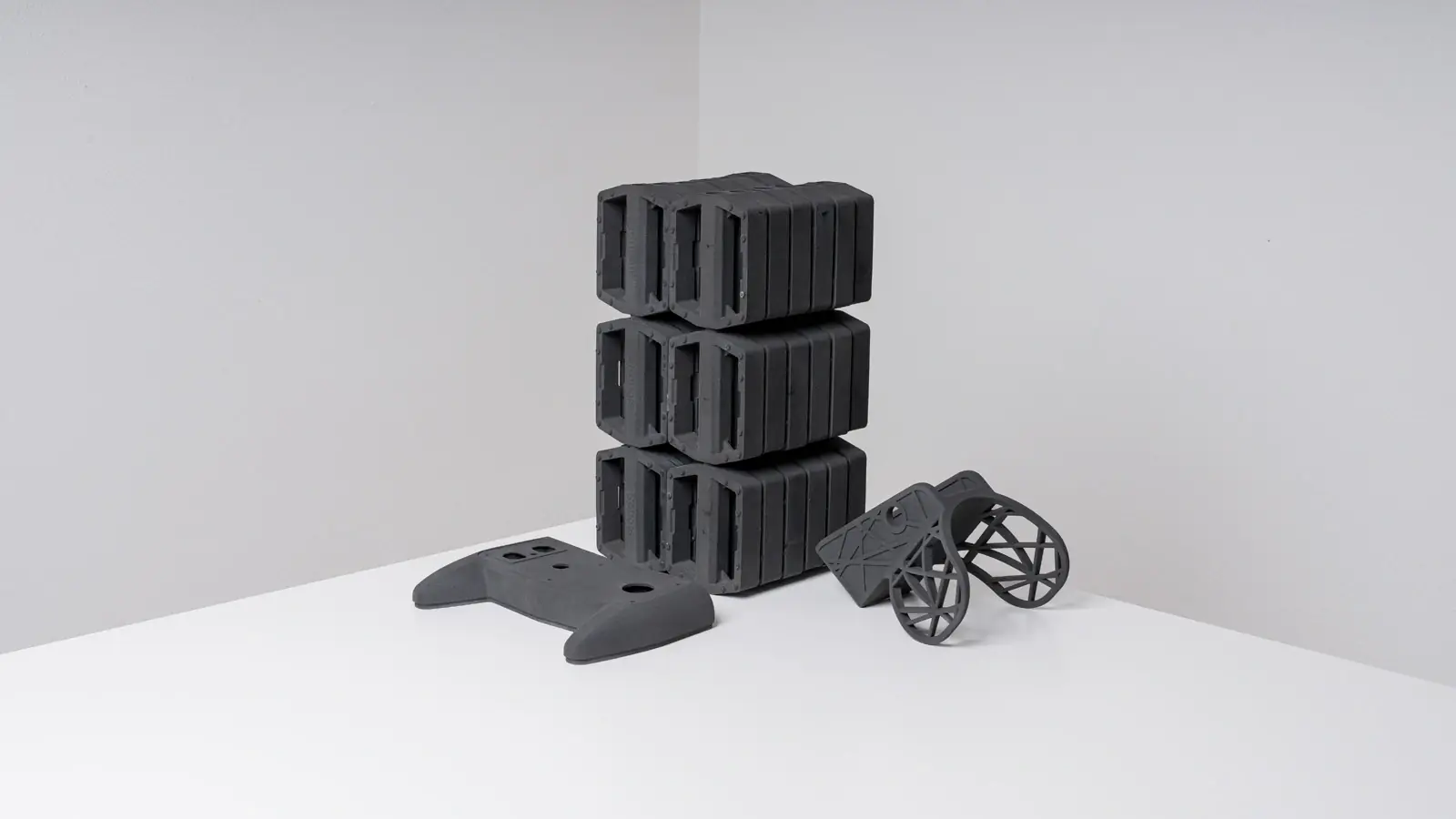
- you need a batch of small strong parts or a complex shape without supports, then SLS is better,
- the part will be loaded in the direction between layers and cannot be oriented differently.
FDM vs SLS
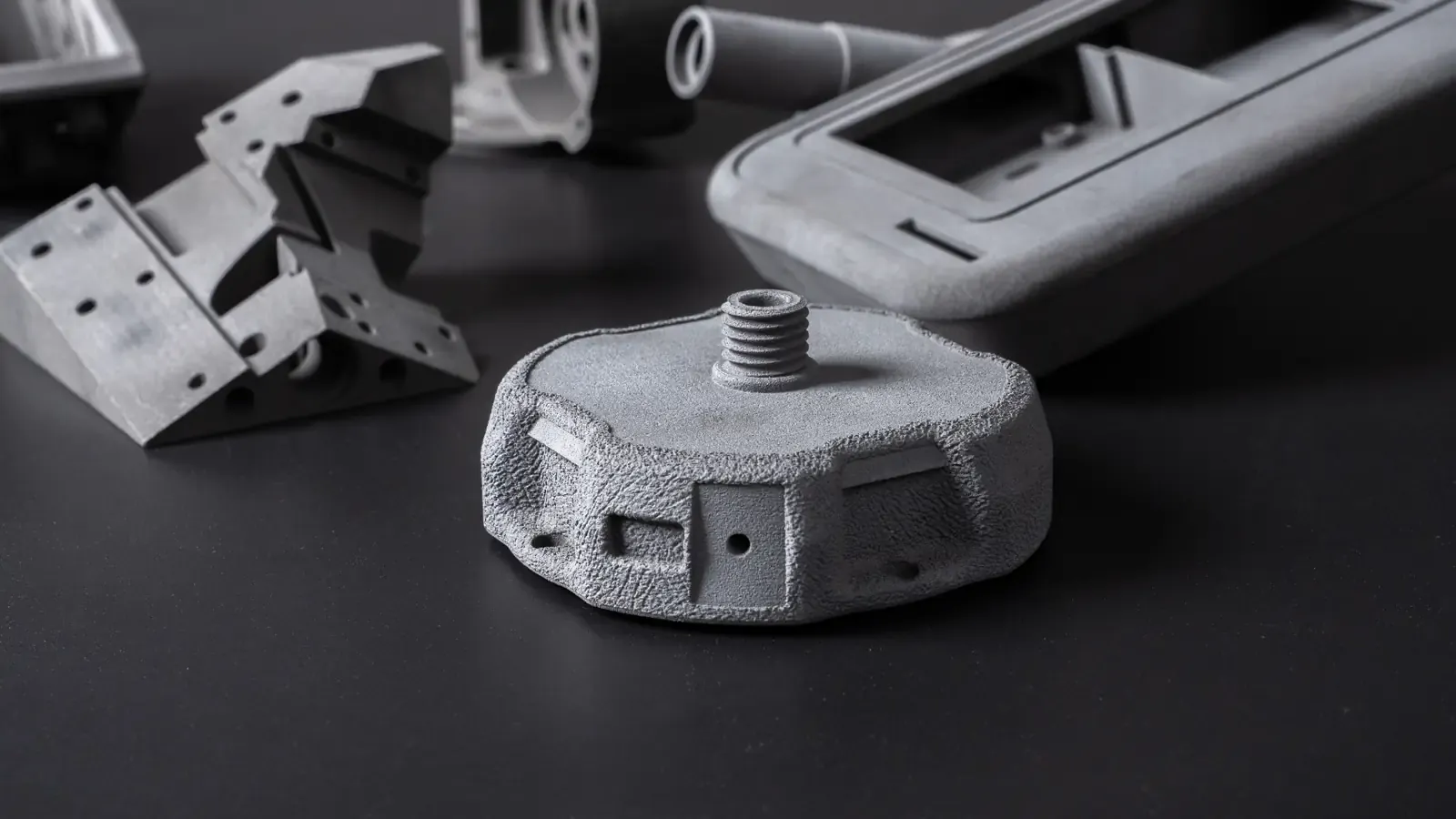
Both technologies print in plastic, but the result is different. FDM lays down molten filament, SLS sinters powder with a laser.
| FDM | SLS | |
|---|---|---|
| Maximum size | 1,200 × 600 × 640 mm | 160 × 160 × 295 mm |
| Layer | 0.08-0.10 mm | 0.11 mm |
| Supports | yes, for overhangs | not needed |
| Surface | visible layers | finely grained, matte |
| Strength | depends on orientation | similar in all directions |
| Best for | large and low-cost parts, prototypes | small functional parts and batches |
Typical FDM orders
Most often we use FDM for first prototypes of new products, where the customer checks shape and dimensions. The second group is jigs and holders for production that must fit a specific machine or part. The third is large covers, architectural and exhibition models.
What affects the price of FDM printing
- Volume and size of the part. A bigger part uses more material and takes longer to print.
- Layer height. A fine layer improves the surface and increases print time.
- Infill density. A denser part is stronger but more expensive.
- Material. PLA is the cheapest, composites and engineering plastics cost more.
- Finishing. Removing supports, sanding or painting add work.
3D printing with us starts at €20 excluding VAT. For an exact price, send us your model through the free quote form.
Related services
3D printing
Fast and flexible production of parts according to your ideas – from prototypes to finished components.
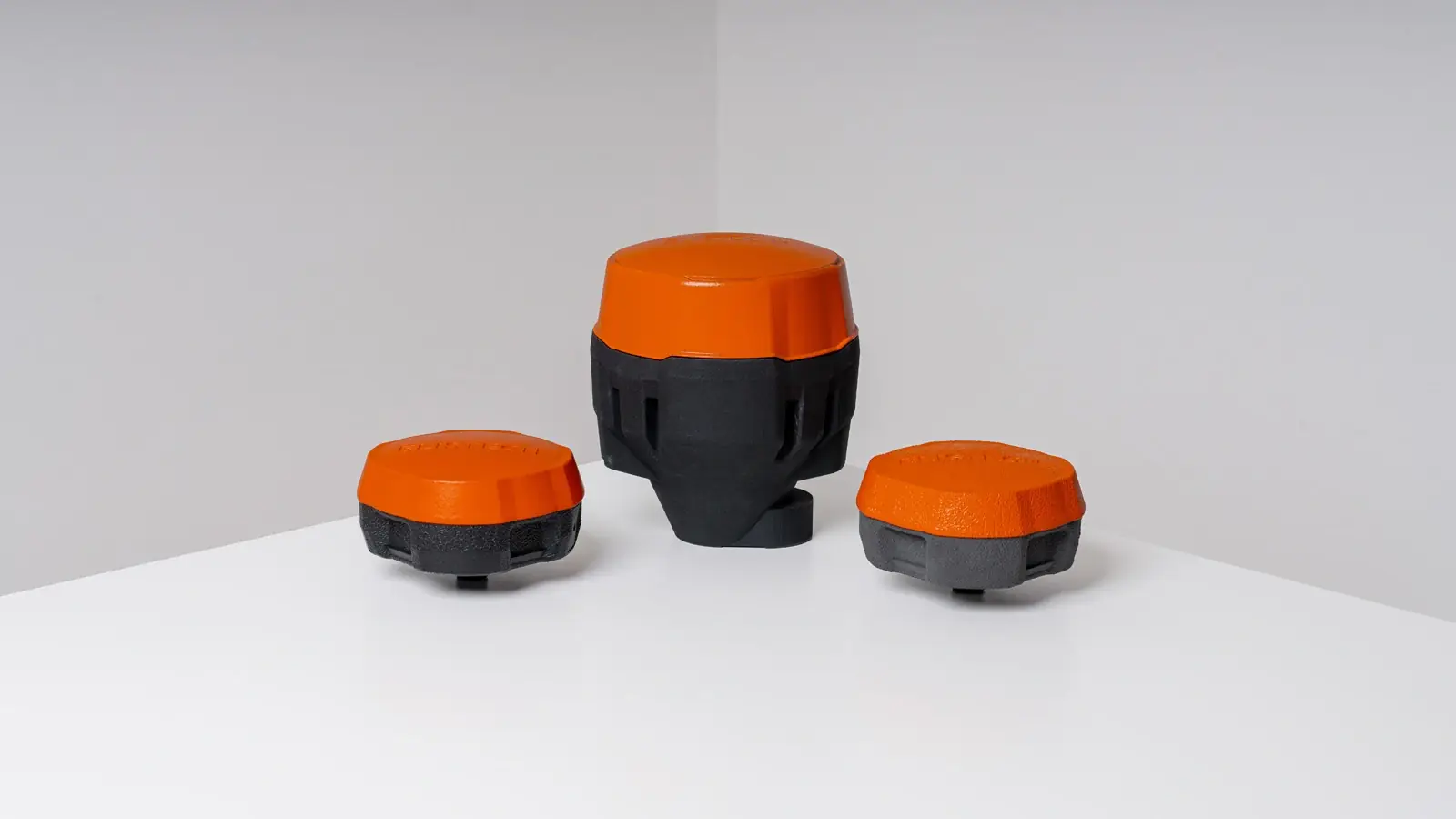
Surface finishing
Surface finishing of parts for appearance, functionality or durability. Colouring, dyeing, texturing.
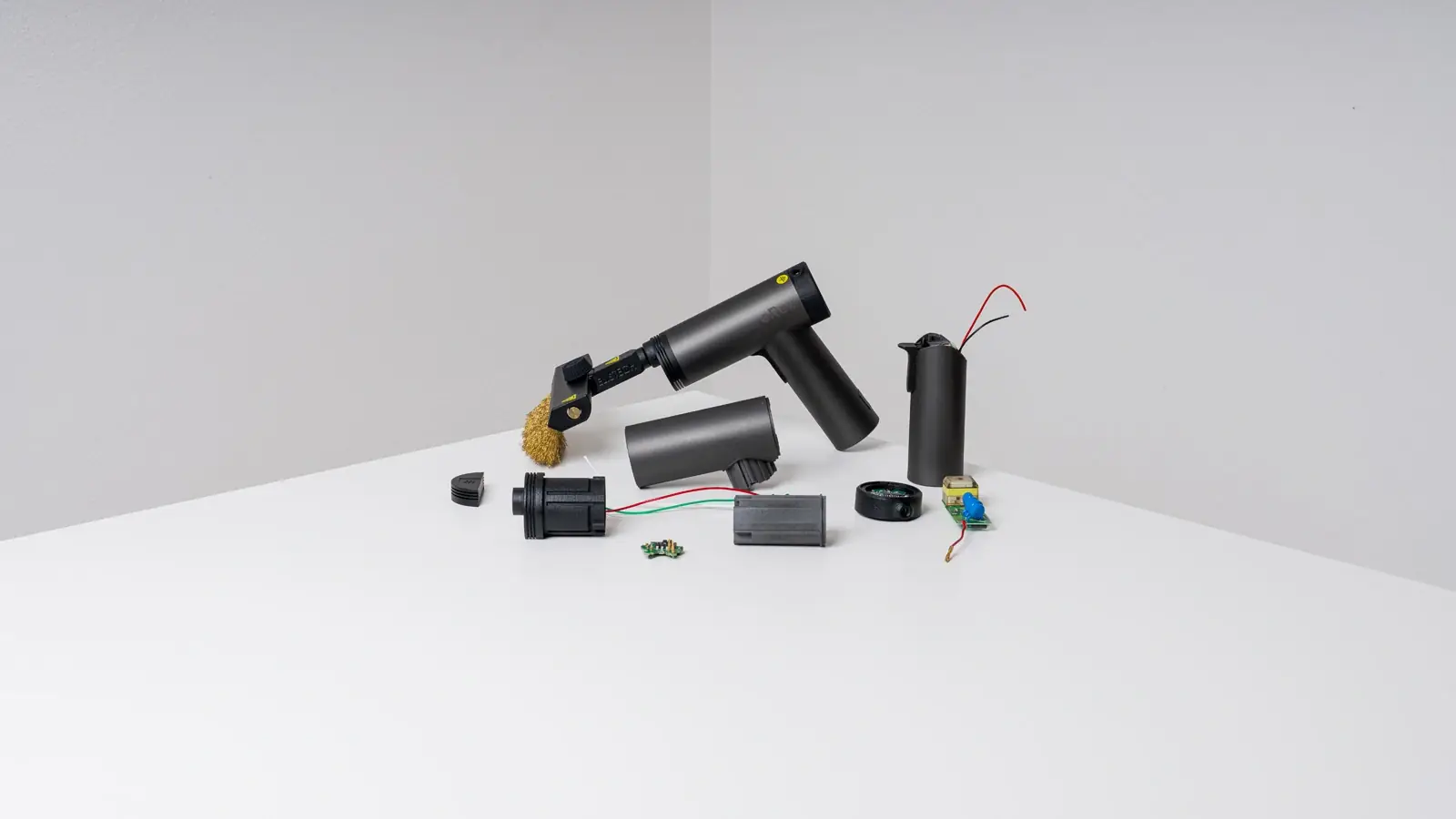
Assembly
We provide assembly as part of production when you have parts or components manufactured by us. Based on your requirements, we can assemble them into a functional unit.
Frequently asked questions


What is the difference between FDM and FFF?
None. It is the same technology. FDM is the original name and FFF is used as a general term.
What is the largest part you can print?
Up to 1,200 × 600 × 640 mm in one piece. We split an even larger part into sections and join them.
Is an FDM part strong enough for real use?
With the right material and orientation, yes. Jigs and holders made of PETG or composites are used in production every day. If the part will be heavily loaded, we will tell you whether SLS is a better fit.
Can the surface be smoothed?
Yes, by sanding and then painting. If you need a smooth surface straight from the printer, choose SLA.
How quickly can you deliver?
We complete most orders within 4 working days. Large parts can take several days to print and we will tell you the date in advance.







Related articles