
Plastics for FDM printing and how to choose between PLA, PETG, ASA and TPU
Published:
FDM printing offers the widest choice of plastics. From inexpensive PLA for models, through PETG and ASA for functional and outdoor parts, to flexible TPU and carbon fibre composites. We compare their strength, heat and UV resistance and advise when to choose which.
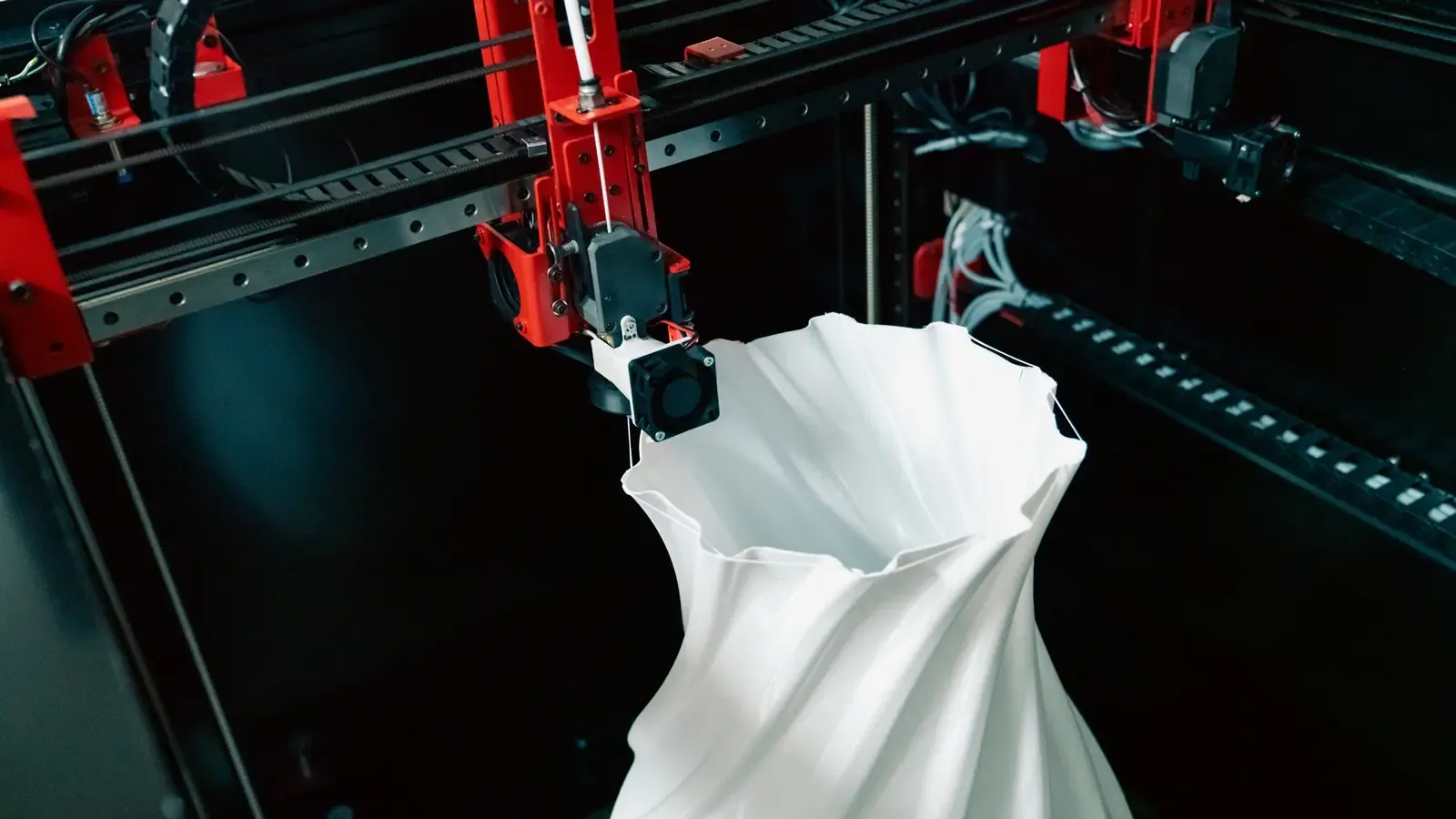
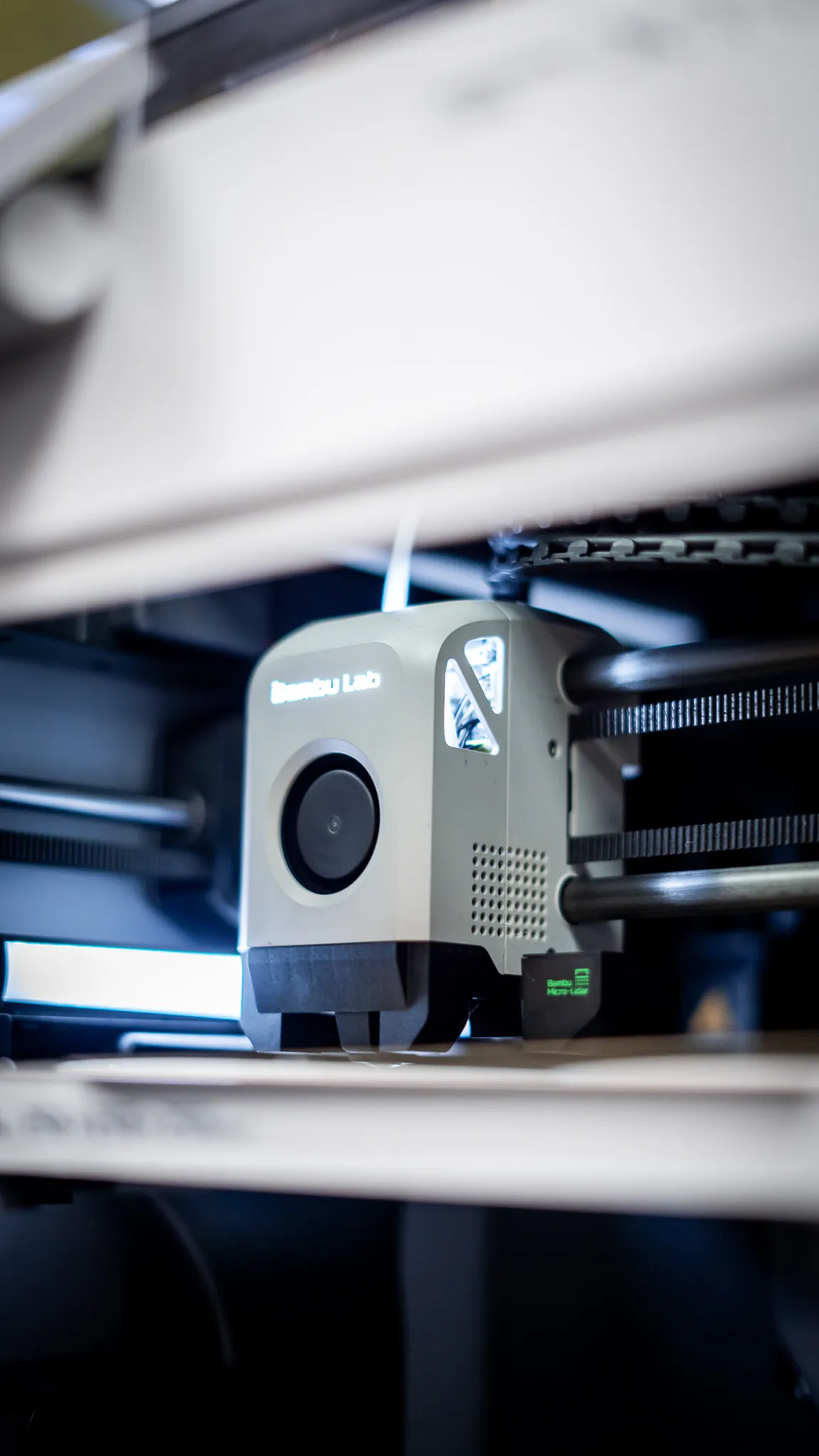
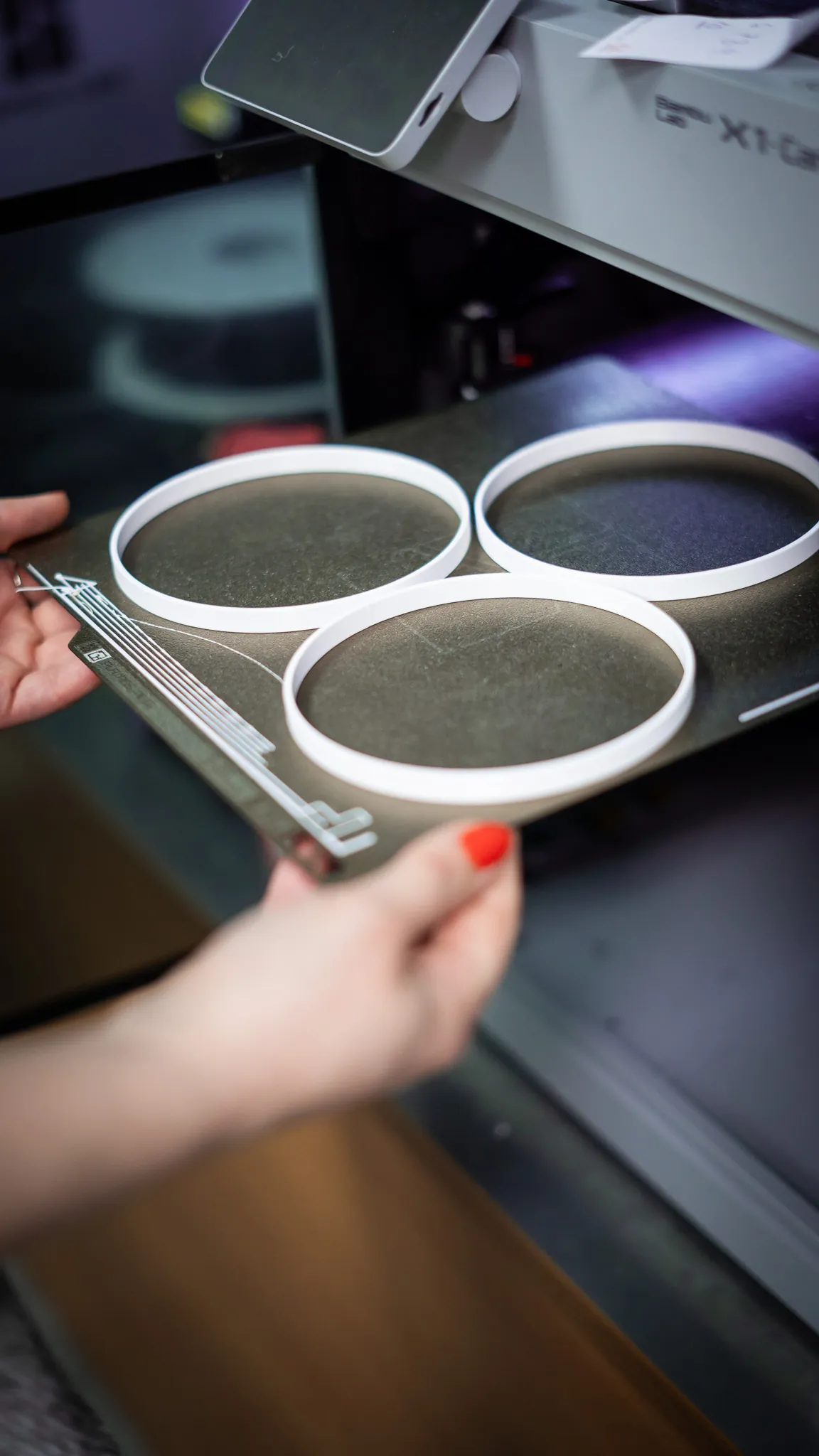
For FDM printing we use a large-format Modix BIG-120X printer that handles parts up to 1,200 × 600 × 640 mm. How printing works is covered in the article How FDM 3D printing works. Here we focus on the plastics we print with.
Overview of filaments
PLA
The cheapest and simplest material. It is dimensionally stable, shrinks little and is made from renewable raw materials. It is brittle, though, and softens at 50 to 55 °C, so it is not suitable for a car in the sun or near a heat source. We use it for visual prototypes, mock-ups and models.
PETG
Tougher than PLA, more resistant to heat and chemicals, and on impact it bends rather than cracks. It is our standard material for functional parts, housings, holders and jigs.
ASA
A plastic similar to ABS that withstands sun and weather for a long time without fading or becoming brittle. We use it for outdoor parts, such as sensor covers, facade brackets or vehicle parts.
ABS
A classic engineering plastic with good heat and impact resistance. Today we often replace it with ASA, which has similar properties and copes better with UV light.
TPU
A flexible material with a hardness of 80A to 95A on the Shore scale. According to the data sheet it stretches by 330 to 657 % before breaking. It suits seals, bumpers, soft grips and protective parts.
Strength, heat and UV resistance compared
| Material | Strength and toughness | Heat resistance | UV resistance | Flexibility | Price |
|---|---|---|---|---|---|
| PLA | stiff but brittle | low, up to 50-55 °C | low | none | lowest |
| PETG | good | medium | medium | low | low |
| ASA | good | high | high | low | medium |
| ABS | good | high | low | low | medium |
| TPU | very tough | medium | medium | high | medium |
| PETG-CF, PLA-CF | high stiffness | depends on base plastic | depends on base plastic | none | higher |
The table compares the materials with each other. You will find exact values in the technical data sheets. With FDM, the final strength also depends on part orientation and infill density.
Carbon fibre composites
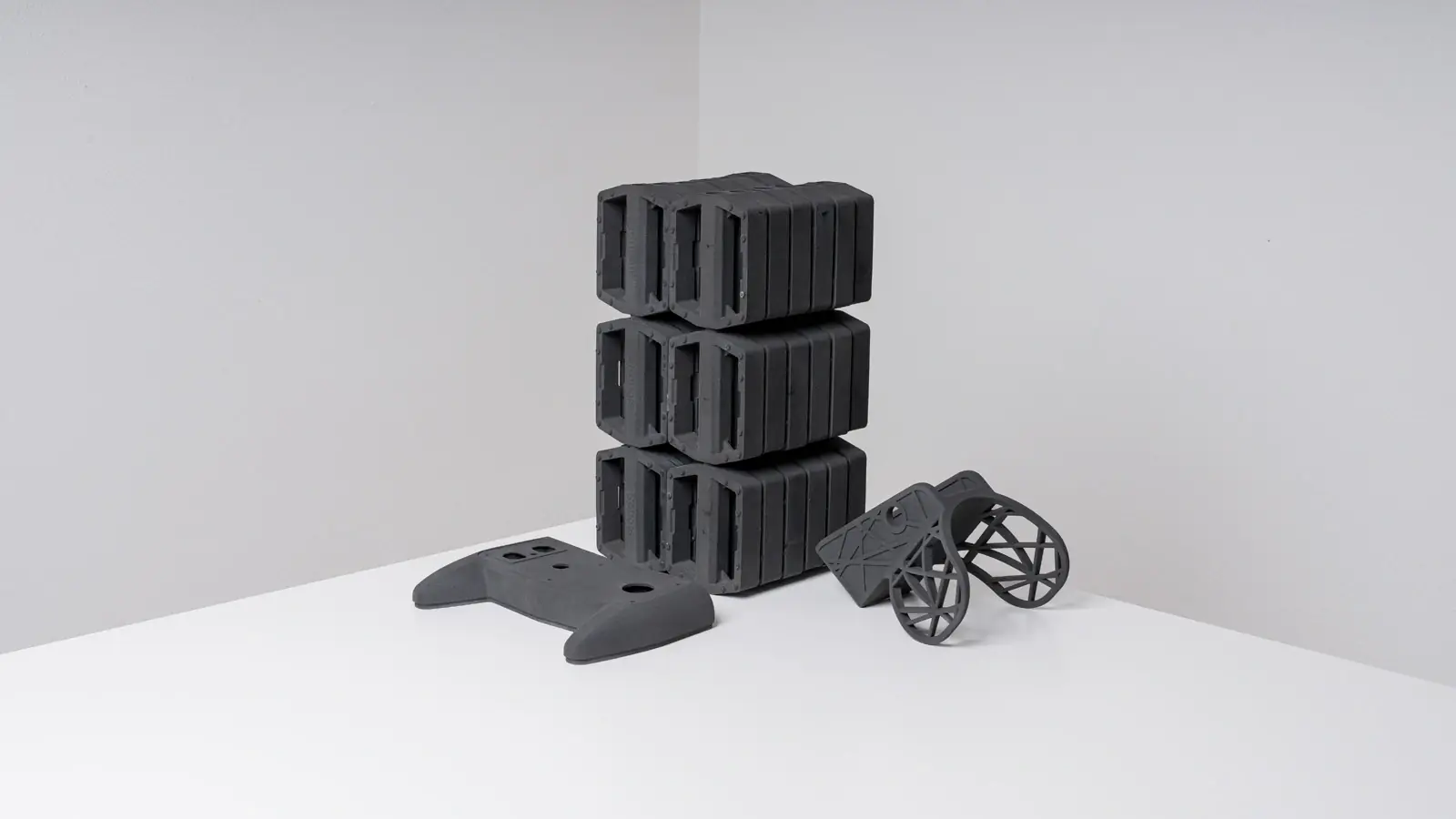
PETG-CF and PLA-CF composites contain short carbon fibres. They make the part stiffer, it bends less under load and has a nice matte surface on which the layers are less visible.
We use composites for jigs, arms and brackets that must hold a precise shape. Keep in mind, though, that they are more brittle than pure plastic and when bent they tend to snap rather than flex.
Which material when
- You want to check shape and dimensions. PLA. It is the cheapest and good enough for a prototype.
- The part will be functional, but indoors. PETG.
- The part will be outdoors or in the sun. ASA.
- The part should bend or absorb impact. TPU.
- The part must be stiff and precise. PETG-CF.
- The part is small and mechanically loaded. Consider SLS printing in PA12, which is strong in all directions.
If you are not sure, tell us where the part will work and we will recommend the material.
Data sheets
On the Technical data sheets page you will find sheets for ASA, PETG HF and PETG-CF and an overview of the filaments we work with. We will gladly send you the values for PLA and TPU.
Related services
3D printing
Fast and flexible production of parts according to your ideas – from prototypes to finished components.
Surface finishing
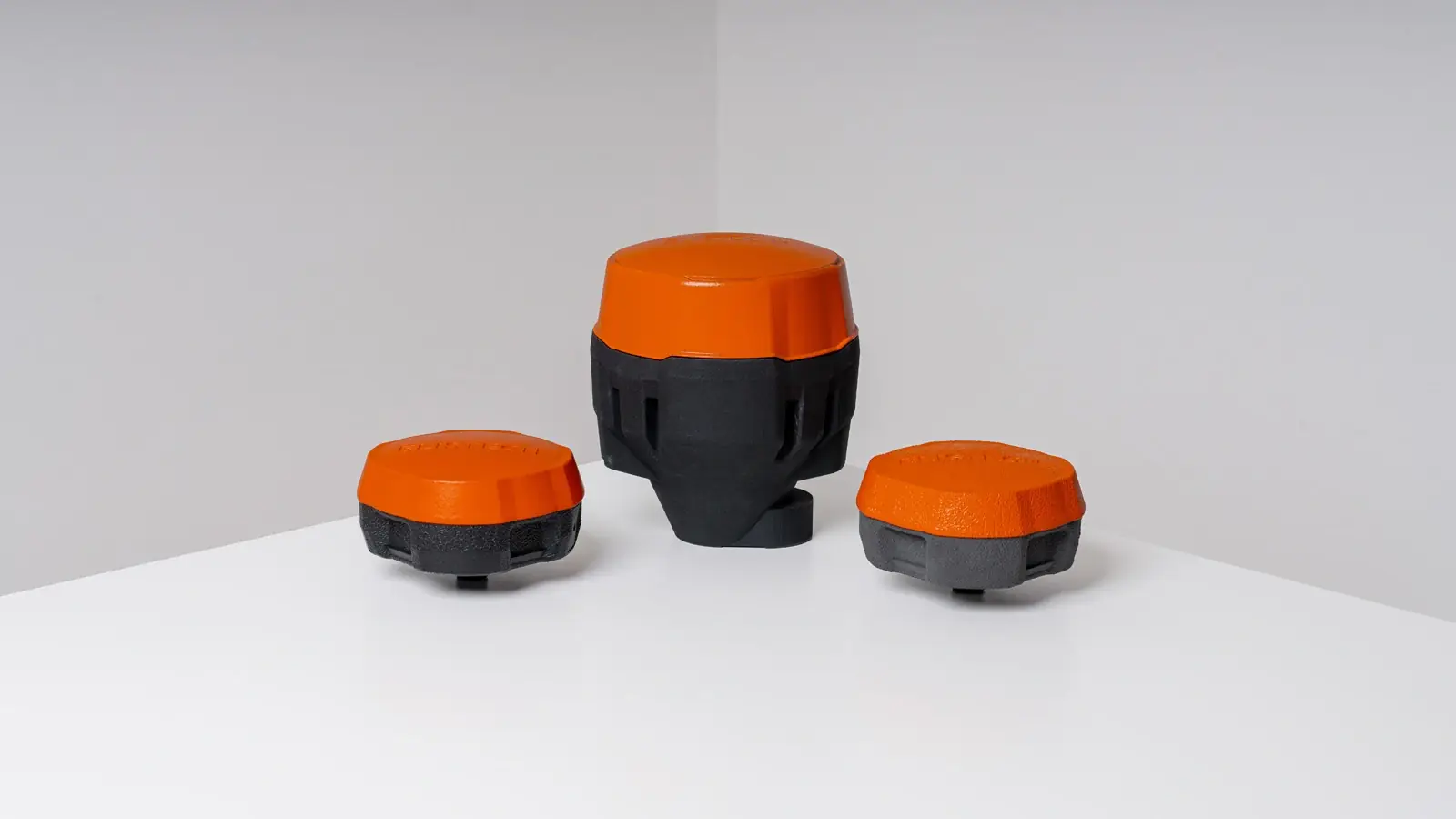
Surface finishing of parts for appearance, functionality or durability. Colouring, dyeing, texturing.
Assembly
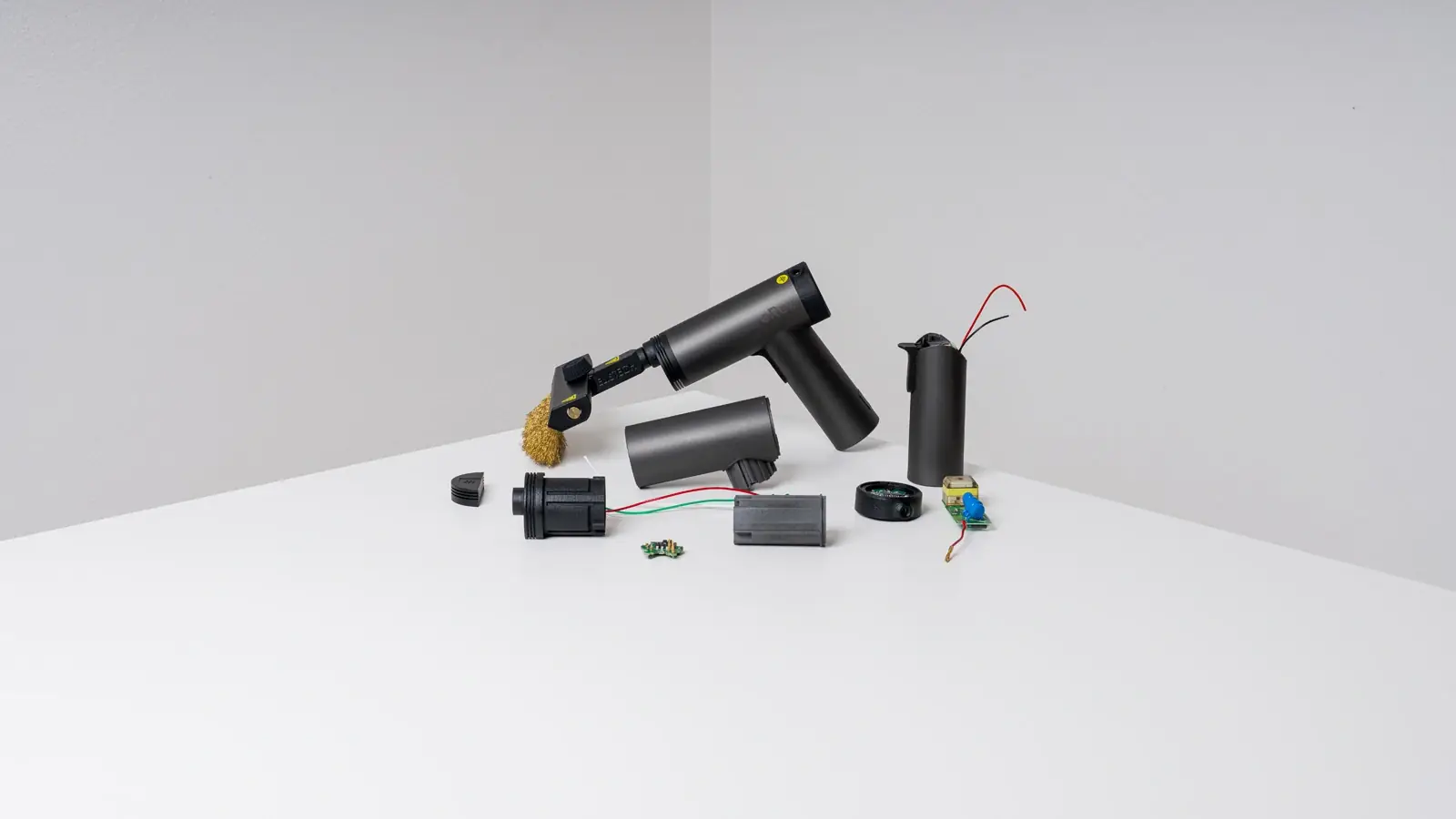
We provide assembly as part of production when you have parts or components manufactured by us. Based on your requirements, we can assemble them into a functional unit.
Frequently asked questions


Which plastic is the strongest?
Of the common plastics, carbon fibre composites are the stiffest. If you need a part that also withstands impact, PETG or ASA is a better choice.
Which plastic should I choose for outdoor use?
ASA. It withstands UV light and weather and keeps its colour and strength for a long time.
Is PLA eco-friendly?
PLA is made from renewable raw materials and is industrially compostable. It will not break down quickly in a garden compost, though.
Can you print in several colours?
Yes, FDM also allows multicolour printing. We will confirm the options for your specific part.








Related articles