How to design parts for FDM and SLS
A good part starts with the right questions. A hands-on expert session on assessing what a component has to do and adapting its design to FDM or SLS.
What the event was about
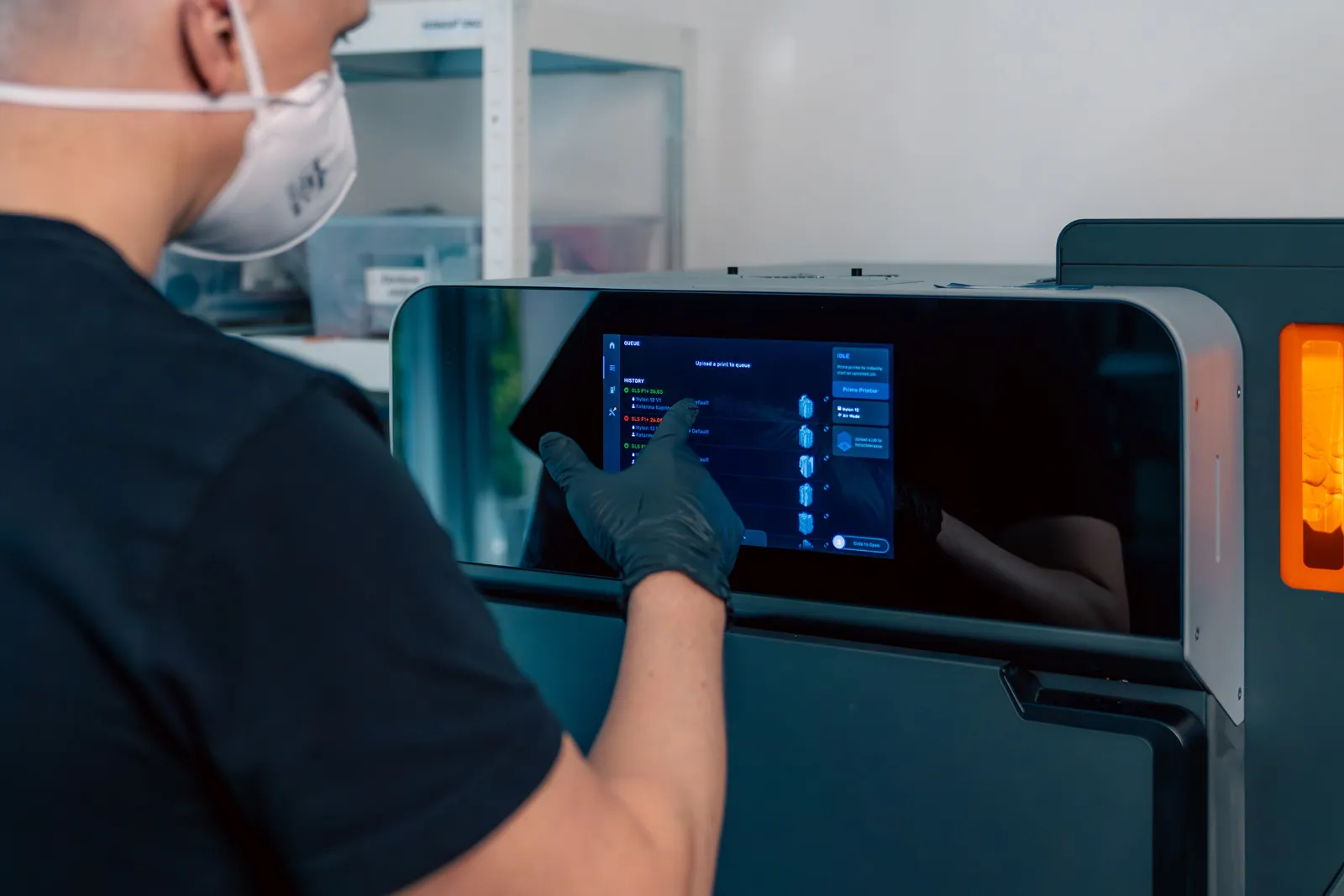
The event focused on designing functional parts for 3D printing and comparing the design rules for FDM and SLS. The starting point was an analysis of how the part is used: the loads, the assembly interfaces, the operating environment and the required accuracy. Using brackets, enclosures and jigs as examples, we explained how to adjust the geometry and how to choose between the two technologies.
Main topics
- Analysing the function of the part, load directions and critical areas of the design.
- Orientation in FDM, the effect of layers on strength, overhangs and supports.
- Designing for SLS: wall thickness, powder removal holes and access to cavities.
- Tolerances, fits, holes, threaded inserts and assembling several parts.
- Checking the CAD model, preparing the data and validating the first prototype.
Practical value
The aim was to show how to spot unsuitable geometry before production, define the critical dimensions and choose a sensible way to validate the prototype. The focus was on specific design decisions and their impact on function, cost and production.
Who it is for
Design engineers, developers, process engineers and anyone who orders functional plastic parts.
Programme
- 10:00 – 10:25
- Part brief and requirements analysis
- 10:25 – 11:10
- FDM and SLS: design rules compared
- 11:10 – 11:20
- Break
- 11:20 – 12:15
- Model review, tolerances and assembly
- 12:15 – 13:00
- Sample parts and expert discussion